Cape Town’s Water Crisis Deepens: Supply Plummets Below 35%, Emergency Declared
Understanding Cape Town’s Water Crisis
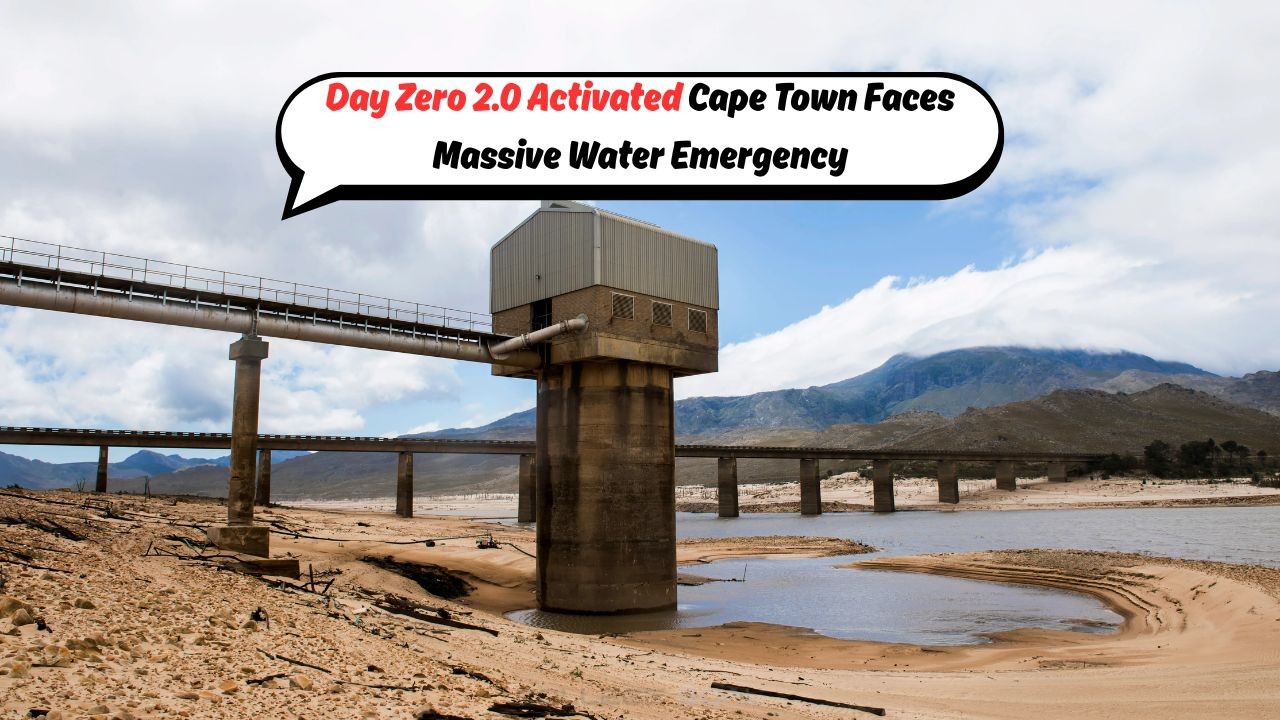
Cape Town’s water crisis has intensified over recent months, with the city’s water supply plummeting to alarming levels below 35%. This critical situation has prompted local authorities to declare a state of emergency. Residents are increasingly concerned about the sustainability of their water resources, which are vital for daily life and the local economy. The decline in water levels is attributed to a combination of factors, including prolonged drought conditions, increased demand, and the impacts of climate change. The city’s government has called for immediate action to address the crisis, emphasizing the need for conservation efforts and innovative solutions to secure Cape Town’s water future.

Current Water Supply Status

| Date | Reservoir | Capacity (%) | Change (%) | Rainfall (mm) | Level |
|---|---|---|---|---|---|
| 2023-09-01 | Theewaterskloof | 32.4 | -1.2 | 5 | Low |
| 2023-09-01 | Voëlvlei | 33.5 | -0.8 | 0 | Low |
| 2023-09-01 | Berg River | 34.9 | -1.0 | 2 | Low |
| 2023-09-01 | Steenbras Upper | 31.2 | -1.5 | 3 | Low |
| 2023-09-01 | Steenbras Lower | 30.0 | -1.3 | 1 | Low |
| 2023-09-01 | Wemmershoek | 33.1 | -0.7 | 0 | Low |
Efforts to Mitigate the Water Crisis
 R18.23 Exchange Rate Spike: How South Africans Will Feel the Pinch on Groceries, Petrol, and Imports
| Initiative | Objective | Status | Impact |
|---|---|---|---|
| Desalination Plant | Increase freshwater supply | In progress | Moderate |
| Water Restrictions | Reduce consumption | Active | High |
| Public Awareness Campaigns | Encourage conservation | Ongoing | Significant |
| Leak Detection Program | Minimize water loss | Active | Moderate |
Innovative Solutions for Cape Town’s Water Supply Challenges
Cape Town is exploring a variety of innovative solutions to address its severe water supply challenges. Key among these is the development of desalination plants along the coast to convert seawater into potable water. Additionally, the city is investing in infrastructure improvements to reduce water loss due to leaks. Advanced technology, such as smart meters, is being employed to monitor consumption and alert residents to excess usage. Rainwater harvesting systems are being promoted for individual and community use, providing an alternative source of water for non-potable needs. These efforts are crucial in building a sustainable water management system that can withstand future droughts.
Actionable Measures for Residents
- Install water-saving devices at home.
- Limit shower time to under 5 minutes.
- Fix leaks promptly to prevent wastage.
- Use greywater for gardening and cleaning.
- Stay informed about water restrictions and adhere to them.
- Engage in community water conservation programs.
Long-term Strategies for Sustainability in Cape Town
Long-term sustainability strategies are crucial for Cape Town to overcome its ongoing water crisis. The city is focusing on diversifying its water sources, including the potential use of groundwater and treated wastewater for non-potable purposes. Urban planning is being revised to incorporate water-sensitive designs, such as permeable pavements and green roofs, which help in water conservation and management. Educational initiatives aim to change public perceptions and behaviors towards water use, encouraging a culture of conservation. Research and collaboration with international experts are ongoing to adopt best practices in water management, ensuring Cape Town can meet its future water needs sustainably.
Community Involvement in Water Conservation Efforts
| Activity | Description | Impact |
|---|---|---|
| Workshops | Teach water-saving techniques | High |
| School Programs | Raise awareness among youth | Significant |
| Community Cleanups | Promote environmental stewardship | Moderate |
| Water Audits | Identify inefficiencies | High |
Effective Practices for Water Conservation
- Turn off taps when not in use.
- Collect rainwater for various uses.
- Use water-efficient appliances.
- Reduce lawn and garden watering.
- Opt for native plants that require less water.
Government Policies Impacting Water Management
The South African government has implemented several policies to manage and protect water resources effectively. Regulations now enforce stricter water usage limits and penalties for non-compliance. The government is also investing in infrastructure projects aimed at modernizing water supply systems and increasing efficiency. These policies are part of a broader strategy to ensure water security and resilience in the face of climate change. Collaboration with international agencies is being pursued to bring innovative solutions and expertise to South Africa’s water management sector.
Public Participation in Policy Making
- Attend public meetings on water issues.
- Provide feedback on proposed regulations.
- Join local water conservation groups.
- Volunteer for water-related community projects.
- Educate others about water conservation importance.
Technological Advancements in Water Management
Technological advancements are playing a pivotal role in addressing Cape Town’s water crisis. Smart metering technology allows for real-time monitoring of water usage, helping to identify areas of wastage quickly. Drones are being used to detect leaks in pipelines, offering a cost-effective and efficient solution. Additionally, data analytics are employed to predict water demand patterns and optimize supply management. These technologies are essential in creating a more resilient and responsive water management system for the city.
| Technology | Benefit | Application |
|---|---|---|
| Smart Meters | Real-time usage monitoring | Residential and commercial |
| Drones | Leak detection | Pipeline inspections |
| Data Analytics | Demand forecasting | Water supply management |
| IoT Sensors | System efficiency | Water treatment facilities |
International Collaboration for Water Security
International collaboration is vital for securing Cape Town’s water future. Partnerships with countries that have successfully managed similar crises bring valuable insights and technologies. Knowledge exchange programs enable local authorities to adopt best practices in water conservation and management. Collaborative efforts include joint research initiatives and funding for innovative projects. These international partnerships are crucial for enhancing Cape Town’s capacity to manage its water resources sustainably.
- Join global water conservation networks.
- Engage in international forums on water management.
- Adopt practices from water-efficient countries.
- Seek international funding for water projects.
- Participate in global research initiatives.
FAQ Section
What caused Cape Town’s current water crisis?
The crisis is primarily due to prolonged drought conditions, increased demand, and climate change impacts.
How can residents help mitigate the water crisis?
Residents can conserve water by using water-saving devices, reducing shower times, and fixing leaks promptly.
What long-term solutions are being considered?
The city is exploring desalination, rainwater harvesting, and infrastructure improvements as long-term solutions.
What role does technology play in managing the crisis?
Technology such as smart meters and drones aid in monitoring usage and detecting leaks efficiently.
How important is community involvement in water conservation?
Community involvement is crucial, as it raises awareness and encourages collective action towards conservation.
What are some ways individuals can help conserve water during Cape Town's water crisis?
There are several steps individuals can take to help conserve water during Cape Town's water crisis, including:
1. Shortening shower times and using a bucket to catch excess water for other purposes.
2. Fixing any leaks in taps, pipes, or toilets promptly.
3. Using a dishwasher or washing machine only when they are full.
4. Collecting rainwater for use in the garden or for flushing toilets.
5. Installing water-efficient fixtures and appliances.
6. Limiting outdoor water usage, such as watering gardens or washing cars.
7. Educating others about the importance of water conservation and encouraging them to also take action.
What are some ways individuals can help conserve water during Cape Town's water crisis?
Some ways individuals can help conserve water during the water crisis in Cape Town include taking shorter showers, fixing leaky faucets and pipes, using a bucket to catch shower water and using it to flush toilets, only running the dishwasher and washing machine when full, and using a broom instead of a hose to clean outdoor areas. Additionally, residents can collect rainwater for non-potable uses and consider installing water-saving devices like low-flow showerheads and toilets.
What are some ways individuals can help conserve water during Cape Town's water crisis?
During Cape Town's water crisis, individuals can help conserve water by taking shorter showers, fixing any leaks in their home, using a bucket to collect water while waiting for the shower to heat up, reusing greywater for flushing toilets or watering plants, and being mindful of their overall water usage. Additionally, residents can adhere to the city's water restrictions and guidelines to ensure that water is used responsibly during this critical time.
How can residents and businesses in Cape Town contribute to conserving water during this crisis?
Residents and businesses in Cape Town can play a crucial role in conserving water by implementing various water-saving practices. Some ways to contribute include reducing shower times, fixing leaks promptly, using a bucket to collect water while waiting for the shower to warm up, recycling greywater for non-drinking purposes, installing water-efficient fixtures, and being mindful of water usage in daily activities like washing dishes or doing laundry. Additionally, following any water restrictions or guidelines issued by local authorities is essential to help alleviate the water crisis.
What can individuals do to help conserve water during Cape Town's water crisis?
There are several ways individuals can help conserve water during the crisis in Cape Town. Some tips include taking shorter showers, fixing any leaks in plumbing, using a bucket to collect shower water for flushing toilets, and being mindful of water usage when washing dishes or doing laundry. Additionally, residents can consider installing water-saving devices such as low-flow showerheads and faucet aerators to reduce water consumption further. Every small effort can contribute to conserving water resources during this challenging time.
How can residents of Cape Town contribute to conserving water during the crisis?
Residents can help conserve water by taking shorter showers, fixing any leaks in their homes, using a bucket to collect and reuse water for various purposes, and being mindful of their water usage in general. Additionally, they can support the city's water restrictions and guidelines to ensure that the available water supply is used efficiently.
What are some ways that residents and businesses in Cape Town can help conserve water during this crisis?
Residents and businesses in Cape Town can help conserve water by taking shorter showers, fixing any leaks promptly, using water-efficient appliances, collecting rainwater for re-use, and avoiding watering gardens during peak hours. Additionally, reducing overall water usage by being mindful of daily habits can make a significant impact in conserving water during this crisis.
What can residents do to help conserve water during Cape Town's water crisis?
Residents can contribute to water conservation efforts by reducing their water usage, fixing any leaks in their homes, using water-efficient appliances, taking shorter showers, and collecting rainwater for non-potable uses. Additionally, residents can follow the city's water restrictions and guidelines to help manage the limited water supply effectively.
What can residents of Cape Town do to help conserve water during the crisis?
Residents can play a crucial role in conserving water by reducing their usage, fixing leaks promptly, using water-saving appliances, taking shorter showers, and collecting rainwater for non-potable uses. Additionally, implementing water-saving practices such as turning off taps while brushing teeth and reusing greywater can significantly contribute to water conservation efforts.
What can residents of Cape Town do to help conserve water during the crisis?
Residents can help conserve water by taking shorter showers, fixing any leaks in their homes, using water-saving devices, collecting rainwater for non-potable uses, and being mindful of their overall water usage. Additionally, residents can adhere to any water restrictions or guidelines put in place by local authorities to help mitigate the crisis.
What can residents do to help conserve water during Cape Town's water crisis?
Residents can take several steps to help conserve water, such as reducing shower times, fixing any leaks in their homes, using a bucket to catch excess water when washing dishes or vegetables, and reusing greywater for tasks like flushing toilets or watering plants. Additionally, residents can adhere to water restrictions, avoid watering gardens during peak hours, and be mindful of their overall water usage to contribute to water conservation efforts.
How can individuals help conserve water during Cape Town's water crisis?
There are several ways individuals can help conserve water during the crisis in Cape Town. Some tips include taking shorter showers, fixing leaks promptly, using a bucket to collect shower water for flushing toilets, avoiding watering gardens during the day, and using a dishwasher only when it's full. Every small effort counts in conserving water during this critical time.
What can residents do to help conserve water during Cape Town's water crisis?
Residents can help conserve water by taking shorter showers, fixing any leaks in their homes, using buckets to collect and reuse water, and being mindful of their water usage in general. Additionally, residents can support water-saving initiatives and adhere to any water restrictions or guidelines put in place by local authorities.
What are some ways individuals can help conserve water during Cape Town's water crisis?
Some ways individuals can help conserve water during Cape Town's water crisis include taking shorter showers, fixing any leaks in their homes, using a bucket to collect water while waiting for the shower to warm up, reusing grey water for flushing toilets or watering plants, and being mindful of water usage in daily activities such as washing dishes or doing laundry.
What can residents of Cape Town do to help conserve water during the water crisis?
Residents can actively participate in water conservation efforts by reducing their water usage, fixing any leaks in their homes, using greywater for non-drinking purposes, and adhering to any water restrictions or guidelines put in place by local authorities. Additionally, practicing mindful water-saving habits such as taking shorter showers, using a bucket to collect water while waiting for the shower to heat up, and only running full loads of laundry and dishes can also make a significant impact on conserving water during this crisis.
What can residents do to help conserve water during Cape Town's water crisis?
Residents can help conserve water by taking shorter showers, fixing any leaks in their homes, using water-saving fixtures, and avoiding activities that waste water, such as washing cars with a hose. Additionally, residents can collect rainwater for non-potable uses and adhere to any water restrictions or guidelines set by local authorities.
What can residents do to help conserve water during Cape Town's water crisis?
Residents can help conserve water by taking shorter showers, fixing any leaks in their homes, using a bucket instead of a hose to water plants, and reusing greywater for non-potable purposes. Additionally, residents can adhere to the city's water restrictions and guidelines to minimize water usage.
What are some ways individuals can help conserve water during Cape Town's water crisis?
Some ways individuals can help conserve water during Cape Town's water crisis include taking shorter showers, fixing leaks in pipes and taps, using a bucket to collect shower water for flushing toilets, watering gardens sparingly, and being mindful of water usage in daily activities. Additionally, residents can follow any water restrictions or guidelines set by local authorities to help reduce overall water consumption.
What are some ways that individuals can help conserve water during Cape Town's water crisis?
There are several ways individuals can contribute to water conservation efforts during Cape Town's water crisis, including:
– Take shorter showers
– Fix any leaks in faucets or pipes
– Install water-saving devices such as low-flow showerheads and faucets
– Collect and reuse rainwater for gardening
– Use a bucket instead of a hose when washing your car
– Turn off the tap while brushing your teeth
– Only run the dishwasher and washing machine when they are full
– Consider installing a water-saving toilet or retrofitting your current toilet with a displacement device
What are some ways that individuals can conserve water during Cape Town's water crisis?
Some ways individuals can conserve water during the water crisis in Cape Town include taking shorter showers, fixing any leaks in their homes, using a bucket to collect water while waiting for the shower to warm up, reusing greywater for gardening, and being mindful of their overall water consumption habits.
What can residents do to help conserve water during Cape Town's water crisis emergency?
Residents can help conserve water by fixing any leaks in their homes, taking shorter showers, using a bucket to catch shower water for reuse, turning off taps while brushing teeth or washing dishes, and being mindful of their overall water usage to reduce wastage during this critical time.
What can individuals do to help conserve water during Cape Town's water crisis?
Individuals can help conserve water by taking shorter showers, fixing any leaks in their homes, using a bucket to collect shower water for flushing toilets, and reducing overall water usage in daily activities. Additionally, residents can comply with any water restrictions and guidelines set by local authorities to help mitigate the crisis.
What are some ways individuals can help conserve water during Cape Town's water crisis?
Some ways individuals can help conserve water during Cape Town's water crisis include taking shorter showers, fixing any leaks in their homes, using a bucket to collect and reuse water from washing dishes or clothes, and turning off the tap while brushing teeth or shaving. Additionally, residents can consider installing water-saving devices like low-flow showerheads and faucets, as well as using greywater for non-potable purposes.
What can residents of Cape Town do to help conserve water during the crisis?
Residents can contribute to water conservation efforts by taking shorter showers, fixing any leaks in their homes, using buckets to collect shower and sink water for flushing toilets, and being mindful of their overall water usage in daily activities. Additionally, residents can support the city's water restrictions and guidelines to help alleviate the strain on the water supply.
How can residents of Cape Town contribute to conserving water during the water crisis?
Residents can help conserve water by taking shorter showers, fixing leaks promptly, using a bucket to catch shower water for flushing toilets, and reducing outdoor water usage by limiting car washing and watering gardens. Additionally, being mindful of water usage in daily activities such as washing dishes and laundry can make a significant impact on conserving water during this crisis.
How can residents of Cape Town contribute to conserving water during the crisis?
Residents can help by reducing their water usage through simple actions like taking shorter showers, fixing leaks, using a watering can instead of a hose for gardening, and only running dishwashers and washing machines with full loads. Additionally, they can follow the city's water restrictions and guidelines to ensure that water is used efficiently.
What can individuals do to help conserve water during Cape Town's water crisis?
Individuals can help conserve water by taking shorter showers, fixing leaks promptly, using a broom instead of a hose to clean outdoor areas, collecting rainwater for gardening, and being mindful of water usage in everyday activities. Additionally, spreading awareness about the crisis and encouraging others to conserve water can make a significant impact.
What are some ways individuals can contribute to conserving water during Cape Town's water crisis?
Some ways individuals can contribute to conserving water during Cape Town's water crisis include taking shorter showers, fixing any leaks in their homes, using water-efficient appliances, collecting rainwater for non-potable uses, and being mindful of their overall water usage habits. Additionally, residents can adhere to any water restrictions or guidelines put in place by local authorities to help alleviate the strain on the water supply.
How can residents of Cape Town contribute to conserving water during the water crisis?
Residents of Cape Town can contribute to conserving water by taking shorter showers, fixing any leaks in their homes, using water-efficient appliances, collecting rainwater for non-potable uses, and being mindful of their water usage in general. Additionally, residents can adhere to any water restrictions or guidelines set by local authorities to help reduce overall water consumption in the city.
How can residents of Cape Town contribute to conserving water during the water crisis?
Residents can help conserve water by taking shorter showers, fixing leaks promptly, using a bucket to collect water while waiting for the shower to warm up, reusing greywater for flushing toilets or watering plants, and being mindful of how they use water in their daily activities. Additionally, they can adhere to any water restrictions or guidelines provided by local authorities.
What can residents do to help conserve water during Cape Town's water crisis?
Residents can help by reducing their water usage through simple actions like taking shorter showers, fixing leaks, using water-efficient appliances, and collecting rainwater for non-potable uses. Additionally, practicing water-wise gardening techniques and avoiding unnecessary water wastage can contribute to water conservation efforts.
How can residents contribute to conserving water during Cape Town's water crisis?
Residents can help by reducing their water usage through simple actions such as taking shorter showers, fixing leaks promptly, using water-efficient appliances, and collecting rainwater for non-potable uses. Additionally, they can adhere to any water restrictions and guidelines set by the authorities to collectively conserve this precious resource.
What are some tips for conserving water during Cape Town's water crisis?
Some tips for conserving water during the water crisis in Cape Town include taking shorter showers, fixing any leaks in your home, using a bucket to collect water while waiting for the shower to heat up, reusing greywater for flushing toilets or watering plants, and only using the washing machine or dishwasher when they are full. It's important for everyone to do their part in conserving water to help alleviate the crisis.
What are some ways that individuals can help conserve water during Cape Town's water crisis?
During Cape Town's water crisis, individuals can help conserve water by taking shorter showers, fixing leaks promptly, using a bucket to collect water while waiting for the shower to heat up, using a broom instead of a hose to clean outdoor areas, and installing water-saving devices like aerators on faucets. Additionally, being mindful of water usage in daily activities such as washing dishes and laundry can also contribute to water conservation efforts.
What can residents do to help conserve water during Cape Town's water crisis?
Residents can help conserve water by taking shorter showers, fixing any leaks in their homes, using a bucket to collect water while waiting for the shower to warm up, and reusing greywater for flushing toilets or watering plants. Additionally, residents can adhere to any water restrictions or guidelines provided by local authorities to help minimize water usage.
How can residents of Cape Town contribute to conserving water during this crisis?
Residents can help by taking shorter showers, fixing leaks promptly, using water-efficient appliances, collecting rainwater, and being mindful of their water usage in general. Additionally, they can follow any water restrictions or guidelines put in place by local authorities.
What can residents and visitors do to help conserve water during Cape Town's water crisis?
Residents and visitors can help conserve water by taking shorter showers, fixing any leaks in their homes, using water-efficient appliances, collecting rainwater for non-potable uses, and being mindful of their water usage in general. Additionally, they can support local water conservation initiatives and spread awareness about the importance of saving water in the community.
What can residents do to help conserve water during Cape Town's water crisis?
Residents can help conserve water by taking shorter showers, fixing leaks promptly, using a bucket to collect shower water for flushing toilets, reducing outdoor water usage, and being mindful of their overall water consumption habits.
What measures can residents take to help conserve water during Cape Town's water crisis?
Residents can help conserve water by taking shorter showers, fixing any leaks in their homes, using a bucket to collect shower water and repurpose it for flushing toilets, and being mindful of their water usage in general. Additionally, residents can install water-saving devices such as low-flow showerheads and faucets, and consider collecting rainwater for non-potable uses.
What are some ways individuals can contribute to conserving water during Cape Town's water crisis?
Some ways individuals can help conserve water during Cape Town's water crisis include taking shorter showers, fixing any leaks in their homes, using a bucket to collect water while waiting for the shower to warm up, and being mindful of water usage when washing dishes or doing laundry.
What can residents of Cape Town do to help conserve water during the ongoing crisis?
Residents of Cape Town can help conserve water by reducing their daily water usage, fixing any leaks in their homes, using water-efficient appliances, taking shorter showers, and avoiding unnecessary water wastage such as leaving taps running. It is also important to adhere to any water restrictions and guidelines set by local authorities to help mitigate the water crisis.
What are some ways individuals can help conserve water during Cape Town's water crisis?
To help conserve water during the crisis in Cape Town, individuals can take measures such as reducing shower times, fixing leaks promptly, using water-efficient appliances, collecting rainwater for reuse, and avoiding unnecessary water wastage like leaving taps running while brushing teeth. Every small effort counts in helping to preserve the remaining water supply.
How can residents of Cape Town contribute towards saving water during the water crisis?
Residents of Cape Town can help save water by taking shorter showers, fixing any leaks in their homes, using water-efficient appliances, collecting rainwater for non-potable uses, and being mindful of their daily water consumption habits. Additionally, following the city's water restrictions and guidelines can also significantly contribute towards water conservation efforts during this crisis.
What measures can individuals take to help conserve water during Cape Town's water crisis?
Individuals can contribute to water conservation efforts by taking shorter showers, fixing leaks promptly, using water-efficient appliances, capturing rainwater for garden use, and being mindful of daily water consumption habits. Additionally, reducing water usage outdoors, such as by not watering lawns excessively, can also make a significant impact during this crisis.
What measures are being taken to combat Cape Town's water crisis following the declaration of an emergency as the supply falls below 35%?
In response to the deepening water crisis in Cape Town, several measures are being implemented to address the situation. These include strict water restrictions, increased monitoring of water usage, public awareness campaigns to promote water conservation, the implementation of desalination plants, drilling of boreholes, and exploring alternative water sources to ensure a sustainable water supply for the city. Residents are also encouraged to use water sparingly and adhere to the prescribed water usage limits to help mitigate the crisis.
How can individuals help conserve water during Cape Town's water crisis?
Individuals can help conserve water by taking shorter showers, fixing leaky faucets and toilets, using a bucket to collect shower water for flushing toilets, installing water-efficient appliances, and reducing outdoor water usage by watering plants early in the morning or late in the evening.
What measures can residents of Cape Town take to help conserve water during the crisis?
Residents can take several steps to help conserve water, such as reducing shower times, fixing leaks promptly, using a bucket to catch shower water for reuse, limiting outdoor water usage, and being mindful of water wastage in daily activities. Additionally, residents can explore installing water-saving devices, such as low-flow showerheads and faucets, to further reduce water consumption.
What are some ways that individuals can help conserve water during Cape Town's water crisis?
Individuals can help conserve water by taking shorter showers, fixing leaks promptly, using a water-saving showerhead, collecting rainwater for gardening, reusing greywater for non-potable purposes, and being mindful of water usage in daily activities.
How can residents help conserve water during Cape Town's water crisis?
Residents can help conserve water by taking shorter showers, fixing any leaks in their homes promptly, using a bucket to catch shower water and repurpose it for flushing toilets or watering plants, and being mindful of their overall water usage by not letting taps run unnecessarily. Additionally, residents can follow any water restrictions or guidelines issued by local authorities to help alleviate the strain on the water supply.
What can residents do to help conserve water during Cape Town's water crisis?
Residents can help conserve water by taking shorter showers, fixing any leaks in their homes, using water-efficient appliances, collecting rainwater for non-potable uses, and being mindful of their overall water usage habits. Additionally, practicing responsible water usage in daily activities such as laundry, dishwashing, and gardening can contribute to water conservation efforts during this critical time.
How can residents of Cape Town contribute to conserving water during the crisis?
Residents can help by taking shorter showers, fixing leaks promptly, using water-efficient appliances, collecting rainwater for non-potable uses, and being mindful of their overall water consumption. Additionally, adhering to any water restrictions or guidelines provided by local authorities is crucial in conserving water during this crisis.
What can residents do to help conserve water during Cape Town's water crisis?
Residents can help conserve water by taking shorter showers, fixing leaks promptly, using a bucket to collect shower water for flushing toilets, and reducing outdoor water usage by watering gardens sparingly. Additionally, they can install water-saving devices like low-flow showerheads and tap aerators to minimize water wastage.
What actions can individuals take to help conserve water during Cape Town's water crisis?
Individuals can help conserve water by taking shorter showers, fixing any leaks in their homes, using a water-saving showerhead, reusing greywater for gardens, and being mindful of their overall water usage. Additionally, avoiding watering gardens during peak sun hours and using a broom instead of a hose to clean driveways and sidewalks can also contribute to water conservation efforts.
What are some ways that individuals can help conserve water during Cape Town's water crisis?
Some ways individuals can help conserve water during the crisis include taking shorter showers, fixing any leaks in their homes, using a bucket to collect water while waiting for the shower to heat up, and being mindful of water usage when washing dishes or doing laundry. Additionally, residents can collect rainwater for non-potable uses, such as watering plants or flushing toilets. Every small effort to save water can make a difference in conserving this precious resource during the crisis.
How can residents of Cape Town contribute to conserving water during the crisis?
Residents can help by taking shorter showers, fixing any leaks in their homes, using buckets to collect and reuse water, and minimizing water usage for tasks like washing cars or watering gardens. Additionally, they can adhere to water restrictions set by local authorities and stay informed about the latest updates and guidelines to help manage the water crisis effectively.
What are some ways individuals can contribute to conserving water during Cape Town's water crisis?
Individuals can help by taking shorter showers, fixing leaks promptly, using a bucket to collect water while waiting for the shower to warm up, reusing greywater for flushing toilets or watering plants, and being mindful of water usage in daily activities.
What are some ways individuals can help conserve water during Cape Town's water crisis?
Some ways individuals can help conserve water during the water crisis in Cape Town include taking shorter showers, fixing any leaks in their homes, using a bucket to collect shower water for flushing toilets, and reducing outdoor water usage by not watering gardens or washing cars. It is crucial for everyone to be mindful of their water consumption to help alleviate the strain on the city's water supply.
What are some ways that residents and businesses in Cape Town can help conserve water during the crisis?
Residents and businesses in Cape Town can help conserve water during the crisis by implementing simple water-saving methods such as fixing leaks, taking shorter showers, using water-efficient appliances, collecting rainwater, and avoiding unnecessary water usage like washing cars or watering gardens unnecessarily. Additionally, they can follow the city's water restrictions and guidelines to ensure water is used efficiently and sparingly.
What are some ways individuals can help conserve water during Cape Town's water crisis?
Some ways individuals can help conserve water include taking shorter showers, fixing leaks promptly, using a broom instead of hosing down driveways, collecting rainwater for gardening, and being mindful of water usage in daily activities. Additionally, residents can adhere to any water restrictions and guidelines set by local authorities to further contribute to water conservation efforts.
How can residents of Cape Town contribute to water conservation efforts during the crisis?
Residents can help by reducing their water usage through simple actions like taking shorter showers, fixing any leaks in their homes, using a bucket to collect water while waiting for the shower to heat up, and being mindful of how much water they use for tasks like washing dishes or watering plants. Additionally, residents can stay updated on water restrictions and guidelines provided by local authorities to ensure they are following the necessary protocols to conserve water during this critical time.
What measures can individuals take to help conserve water during Cape Town's water crisis?
There are several actions individuals can take to help conserve water during Cape Town's water crisis, including:
1. Shortening shower times and installing water-saving showerheads.
2. Fixing leaks in faucets, pipes, and toilets.
3. Using a bucket to catch shower water while it warms up, then using it to water plants or flush toilets.
4. Collecting rainwater for use in gardens or cleaning.
5. Only running washing machines and dishwashers with full loads.
6. Limiting outdoor water use, such as watering lawns and washing cars.
7. Educating others about the importance of water conservation and the current crisis in Cape Town.
What are some ways residents can help conserve water during Cape Town's water crisis?
Residents can help conserve water by taking shorter showers, fixing leaks promptly, using a bucket to catch excess water while waiting for the shower to warm up, reusing greywater for flushing toilets or watering plants, and being mindful of water usage in daily activities. Additionally, residents can support water-saving initiatives by the city and follow any water restrictions or guidelines in place.
What actions can residents take to help conserve water during Cape Town's water crisis?
Residents can help conserve water by taking shorter showers, fixing any leaks in their homes, using a bucket to collect water while waiting for the shower to heat up, and avoiding watering gardens or washing cars with potable water. Additionally, implementing water-saving devices such as low-flow showerheads and dual-flush toilets can significantly reduce water usage.
What are some practical tips for residents to conserve water during Cape Town's water crisis?
To help conserve water during the crisis in Cape Town, residents can take several practical steps such as taking shorter showers, fixing leaks promptly, using a bucket to catch shower water for flushing toilets, reusing greywater for gardening, and using a broom instead of hosing down driveways and sidewalks.
What can residents do to help conserve water during Cape Town's water crisis?
Residents can help conserve water by taking shorter showers, fixing any leaks in their homes, using water-efficient appliances, collecting rainwater for gardening, and being mindful of their water usage in general. Additionally, they can follow any water restrictions and guidelines set by local authorities to help mitigate the impact of the crisis.
How can residents of Cape Town help conserve water during the water crisis?
Residents can help conserve water by taking shorter showers, fixing leaks promptly, using water-efficient appliances, collecting rainwater for non-potable uses, and being mindful of their water consumption in general.
What are some ways individuals can help conserve water during Cape Town's water crisis?
To help conserve water during Cape Town's water crisis, individuals can take shorter showers, fix any leaks in their homes, collect rainwater for non-potable uses, use a bucket to wash cars instead of a hose, and only run dishwashers and washing machines when they are full. It is important for everyone to be mindful of their water usage and take proactive steps to reduce consumption.
What can residents of Cape Town do to help conserve water during the current crisis?
Residents can help conserve water by taking shorter showers, fixing leaks in their homes, using water-saving appliances, collecting rainwater for non-potable uses, and being mindful of their water usage in general. Additionally, adhering to any water restrictions or guidelines set by local authorities can also play a significant role in conserving water during this crisis.
What can residents of Cape Town do to help conserve water during the crisis?
Residents can help conserve water by taking shorter showers, fixing any leaks in their homes, using water-efficient appliances, collecting rainwater for non-potable uses, and being mindful of their overall water usage habits. Additionally, they can adhere to any water restrictions or guidelines set by local authorities to minimize water wastage.
What can individuals do to help conserve water during Cape Town's water crisis?
To help conserve water during Cape Town's water crisis, individuals can take simple steps such as taking shorter showers, fixing leaky faucets, using a bucket to collect shower water for flushing toilets, and being mindful of water usage when washing dishes or doing laundry. Additionally, residents can consider installing water-saving devices such as low-flow showerheads and dual-flush toilets to further reduce water consumption.
What are some ways that individuals can help conserve water during Cape Town's water crisis?
Some ways individuals can help conserve water include taking shorter showers, fixing any leaks in their homes, using a broom instead of a hose to clean outdoor areas, and collecting rainwater for non-potable uses. It's important for everyone to be mindful of their water usage and make efforts to reduce consumption to help alleviate the water crisis in Cape Town.
How can residents help conserve water during Cape Town's water crisis?
Residents can help conserve water by taking shorter showers, fixing leaks promptly, collecting and reusing greywater, using a broom instead of a hose to clean outdoor spaces, and being mindful of their water usage in general. It's important for everyone to do their part in reducing water consumption to help alleviate the crisis.
What are some ways individuals can contribute to conserving water during Cape Town's water crisis?
Individuals can help conserve water by taking shorter showers, fixing leaks in their homes, using a bucket to catch shower water and repurpose it for flushing toilets or watering plants, reducing outdoor water usage, and being mindful of their overall water consumption habits. Small changes in daily routines can make a significant impact during a water crisis.
What are some ways individuals can help conserve water during Cape Town's water crisis?
Some ways individuals can help conserve water during the crisis include taking shorter showers, fixing any leaks in their homes, using a bucket to collect shower water for reuse, reducing flushing frequency, and being mindful of water usage in everyday activities. Additionally, residents can support water-saving initiatives, educate others about the importance of water conservation, and stay informed about updates and guidelines provided by local authorities.
What measures can residents take to reduce water usage during Cape Town's water crisis?
Residents can help by taking shorter showers, fixing any leaks in their homes, using water-efficient appliances, collecting rainwater for non-potable uses, and being mindful of their daily water consumption. Every drop saved can make a difference during this critical time.
What can residents do to help conserve water during Cape Town's water crisis?
Residents can help conserve water by taking shorter showers, fixing any leaks in their homes, using water-efficient appliances, and avoiding unnecessary water usage like watering gardens or washing cars. Additionally, residents can collect rainwater for non-potable uses and adhere to any water restrictions or guidelines set by local authorities.
What are some ways individuals can help conserve water during Cape Town's water crisis?
Some ways individuals can help conserve water during Cape Town's water crisis include taking shorter showers, fixing any leaks in their homes, using a bucket to catch shower water while it warms up, and using a water-saving device on their toilet. Additionally, residents can refrain from watering their gardens, only using dishwashers and washing machines when they are full, and considering installing a rainwater harvesting system. Every small effort can make a difference in conserving water during this critical time.
What can residents of Cape Town do to help conserve water during the crisis?
Residents of Cape Town can help conserve water by taking shorter showers, fixing leaks promptly, using a bucket to catch shower water and reuse it for flushing toilets, and being mindful of their overall water usage in daily activities. Additionally, residents can adhere to any water restrictions or guidelines issued by local authorities to contribute to water conservation efforts.
How can individuals in Cape Town help conserve water during the ongoing crisis?
Individuals in Cape Town can contribute to water conservation efforts by reducing their water usage, fixing any leaks in their homes, using water-saving appliances, taking shorter showers, collecting rainwater for non-potable uses, and being mindful of their water consumption habits. Additionally, spreading awareness about the importance of water conservation within the community can help promote a culture of sustainable water usage.
What are some ways individuals can contribute to conserving water during Cape Town's water crisis?
Individuals can help conserve water during the crisis by taking shorter showers, fixing any leaks in their homes, using water-saving appliances, collecting rainwater for non-potable uses, and being mindful of their overall water usage habits. Additionally, reducing outdoor water usage, such as watering gardens and washing cars, can also make a significant impact on water conservation efforts.

What are some ways individuals can help conserve water during Cape Town's water crisis?
Some ways individuals can help conserve water during the crisis include taking shorter showers, fixing any leaks in their homes, using a bucket to collect water while waiting for the shower to warm up, and being mindful of their water usage in daily activities such as washing dishes or doing laundry. Additionally, residents can participate in community initiatives, such as water-saving campaigns and education programs, to collectively reduce water consumption in the city.
How can residents contribute to water conservation efforts during Cape Town's water crisis?
Residents can contribute by reducing their water usage through simple actions such as taking shorter showers, fixing leaks, using water-efficient appliances, and collecting rainwater for non-potable uses. Additionally, practicing responsible water consumption habits like turning off taps when not in use and being mindful of water wastage can make a significant impact on conserving water during the crisis.
What are some ways individuals can help conserve water during Cape Town's water crisis?
Some ways individuals can help conserve water during Cape Town's water crisis include taking shorter showers, fixing any leaks in their homes, using a bucket to catch shower water and repurpose it for flushing toilets or watering plants, and being mindful of water usage when washing dishes or clothes. Additionally, residents can consider installing water-saving devices such as low-flow showerheads and faucet aerators.
What are some ways that residents of Cape Town can contribute to conserving water during the crisis?
Residents can help by reducing their water usage through actions such as taking shorter showers, fixing any leaks promptly, using water-saving devices, collecting rainwater for non-potable uses, and being mindful of their overall water consumption habits.
What are some ways individuals can help conserve water during Cape Town's water crisis?
Some ways individuals can help conserve water during Cape Town's water crisis include taking shorter showers, fixing any leaks in their homes, using a bucket to collect water while waiting for the shower to warm up, and being mindful of water usage when washing dishes or doing laundry. Additionally, residents can explore installing water-saving devices such as low-flow showerheads and faucet aerators, as well as considering alternative sources of water for non-potable uses like watering plants or flushing toilets.
How can residents of Cape Town contribute to conserving water during the city's water crisis?
Residents can contribute to water conservation by implementing simple measures such as taking shorter showers, fixing leaks promptly, using water-efficient appliances, collecting rainwater for non-potable uses, and being mindful of water usage in daily activities. Additionally, residents can adhere to any water restrictions imposed by local authorities and participate in community efforts to save water.
What can residents of Cape Town do to help conserve water during this crisis?
Residents of Cape Town can help conserve water by taking shorter showers, fixing any leaks in their homes, using buckets to collect water while waiting for the shower to warm up, recycling greywater for non-drinking purposes, and being mindful of their water usage in general. Every little effort to save water can make a difference in combating the water crisis in Cape Town.
What measures are being taken to address Cape Town's water crisis in light of the plummeting water supply below 35%?
In response to the deepening water crisis in Cape Town, several measures are being implemented to mitigate the situation. These include strict water restrictions, public awareness campaigns to promote water conservation, desalination projects to augment water supply, groundwater extraction, and the implementation of water-saving technologies such as water-efficient fixtures and rainwater harvesting systems. Additionally, the local government has declared a state of emergency to expedite the implementation of necessary actions to address the water shortage.
What are some ways that residents and businesses in Cape Town can help conserve water during the water crisis?
Residents and businesses in Cape Town can help conserve water by taking shorter showers, fixing leaks promptly, using water-efficient appliances, collecting rainwater for non-potable uses, and avoiding watering gardens during peak hours. It is essential for everyone to be mindful of their water usage and actively participate in conservation efforts to help mitigate the impact of the water crisis.
What can residents of Cape Town do to help conserve water during the crisis?
Residents can play a crucial role in water conservation by reducing their water usage through simple actions like taking shorter showers, fixing leaks promptly, using water-efficient appliances, and collecting rainwater for non-drinking purposes. Additionally, adhering to any water restrictions and guidelines set by local authorities can help in managing and preserving the limited water supply.
What are some ways that individuals can contribute to water conservation efforts during Cape Town's water crisis?
Individuals can help by reducing their water usage through simple actions like taking shorter showers, fixing any leaks in their homes, using water-efficient appliances, and collecting rainwater for non-potable uses. They can also spread awareness about the crisis and encourage others to conserve water.
What can residents do to help conserve water during Cape Town's water crisis?
Residents can help conserve water by taking shorter showers, fixing leaks promptly, using a broom instead of a hose to clean outdoor areas, collecting rainwater for reuse, and being mindful of water usage in everyday activities like washing dishes and laundry. Additionally, residents can adhere to any water restrictions or guidelines issued by local authorities to help minimize water consumption.
What are some ways individuals can help conserve water during Cape Town's water crisis?
Some ways individuals can help conserve water during Cape Town's water crisis include taking shorter showers, fixing any leaks in their homes, using a bucket to collect shower water for flushing toilets, turning off the tap while brushing teeth or washing dishes, and using water-efficient appliances and fixtures. Additionally, residents can avoid watering gardens or washing cars with potable water, and consider installing rainwater tanks for non-potable water use. Every small effort to save water can make a difference in managing the city's water supply during this crisis.
How can individuals contribute to conserving water during Cape Town's water crisis?
Individuals can help by taking shorter showers, fixing any leaks in their homes, using water-saving appliances, collecting rainwater for irrigation, and being mindful of their water usage in general. Every small effort to save water can make a difference in conserving this precious resource during the crisis.
What are some ways individuals can help conserve water during Cape Town's water crisis?
Some ways individuals can help conserve water during Cape Town's water crisis include taking shorter showers, fixing any leaks in their homes, using a broom instead of a hose to clean outdoor areas, collecting rainwater for non-potable uses, and being mindful of their overall water usage habits.
What are some ways that individuals can contribute to conserving water during Cape Town's water crisis?
Individuals can help conserve water by taking shorter showers, fixing leaky faucets and pipes, using a broom instead of a hose to clean outdoor areas, collecting rainwater for gardening, and being mindful of water usage in everyday activities such as washing dishes and doing laundry. Additionally, spreading awareness about the crisis and encouraging others to conserve water can also make a meaningful impact.
What can residents of Cape Town do to help conserve water during the water crisis?
Residents of Cape Town can help conserve water by taking shorter showers, fixing any leaks in their homes, using buckets to collect shower water for flushing toilets, and avoiding watering gardens or washing cars with potable water. Implementing these water-saving habits can make a significant impact during this crisis.
What are some ways individuals can help conserve water during Cape Town's water crisis?
Some ways individuals can help conserve water during Cape Town's water crisis include taking shorter showers, fixing any leaks in their plumbing, using a bucket to catch water while waiting for the shower to warm up, reusing greywater for flushing toilets or watering plants, and being mindful of water usage in daily activities such as washing dishes or doing laundry. Additionally, residents can also support water-saving initiatives by the local government and participate in community efforts to reduce water consumption.
What are some ways that residents can help conserve water during Cape Town's water crisis?
Residents can help conserve water by taking shorter showers, fixing leaks promptly, using a bucket to collect shower water for flushing toilets, installing water-saving devices, reusing greywater for gardening, and being mindful of water usage in daily activities.
What are some ways individuals can help conserve water during Cape Town's water crisis?
Some ways individuals can help conserve water during the crisis include taking shorter showers, fixing leaky faucets and pipes, using a bucket to collect shower water for flushing toilets, watering gardens with greywater, and only running dishwashers and washing machines with full loads.
How can individuals in Cape Town contribute to conserving water during the crisis?
Individuals in Cape Town can contribute to conserving water by taking shorter showers, fixing leaks promptly, using water-saving appliances, collecting rainwater for non-potable uses, and being mindful of their water usage in daily activities.
How are residents in Cape Town being affected by the water crisis emergency declaration?
Residents in Cape Town are experiencing severe water restrictions, with daily usage limits and penalties for exceeding them. Many are also resorting to using alternative water sources such as boreholes and rainwater harvesting to supplement their dwindling municipal water supply.
What are some ways individuals can help conserve water during Cape Town's water crisis?
Some ways individuals can help conserve water during the crisis include taking shorter showers, fixing any leaks in their home, using a bucket to collect excess water when washing dishes or vegetables, and avoiding watering gardens or washing cars with potable water. Additionally, being mindful of water usage in everyday activities can make a significant impact in reducing overall water consumption.
What are some ways individuals can help conserve water during Cape Town's water crisis?
Some ways individuals can help conserve water during Cape Town's water crisis include taking shorter showers, fixing any leaks in their homes, using a bucket instead of a hose to water plants, and being mindful of their water usage in daily activities like washing dishes or doing laundry. Additionally, residents can collect rainwater for non-potable uses and consider installing water-saving devices like low-flow showerheads and faucets.
What are some ways individuals can help conserve water during Cape Town's water crisis?
Some ways individuals can help conserve water include taking shorter showers, fixing leaks promptly, using a broom instead of a hose to clean outdoor areas, collecting rainwater for watering plants, and being mindful of overall water usage habits.
What are some ways that individuals can help conserve water during Cape Town's water crisis?
Some ways individuals can help conserve water during the crisis in Cape Town include taking shorter showers, fixing any leaks in their homes, using a bucket to collect water while waiting for the shower to warm up, reusing greywater for flushing toilets or watering plants, and being mindful of how much water they use for activities like washing dishes or laundry.
What caused Cape Town's water crisis to deepen and the supply to plummet below 35%?
The water crisis in Cape Town has been exacerbated by a combination of factors, including prolonged drought, population growth, inadequate water management practices, and climate change. The region has been experiencing below-average rainfall for several years, leading to a depletion of water resources. Additionally, the increasing demand for water due to population growth has put strain on the already limited supply. Inadequate infrastructure and water management practices have also contributed to the crisis.
What can residents do to help conserve water during Cape Town's water crisis?
Residents can help conserve water by taking shorter showers, fixing any leaks in their homes, using a broom instead of a hose to clean outdoor areas, collecting rainwater for reuse, and being mindful of their water usage in general. Additionally, residents can adhere to any water restrictions or guidelines put in place by local authorities to help mitigate the crisis.
What measures can residents and visitors take to help conserve water during Cape Town's water crisis?
Residents and visitors can contribute to water conservation efforts by taking shorter showers, fixing leaks promptly, using a bucket to collect shower water for flushing toilets, turning off taps while brushing teeth, and using water-efficient appliances. Additionally, reducing outdoor water usage, such as watering gardens and washing cars, can also make a significant impact during this critical time.
What are some practical water-saving tips that individuals can implement during Cape Town's water crisis?
Some practical water-saving tips include taking shorter showers, fixing any water leaks promptly, using a bucket to collect water while waiting for the shower to warm up, reusing greywater for flushing toilets or watering plants, installing water-saving devices like low-flow showerheads and faucet aerators, and being mindful of water usage when washing dishes or doing laundry. By implementing these tips, individuals can contribute to conserving water and helping to alleviate the water crisis in Cape Town.
What measures can residents of Cape Town take to help conserve water during the water crisis?
Residents of Cape Town can help conserve water by taking shorter showers, fixing any leaks in their homes, using a bucket to collect water while waiting for the shower to heat up, only running washing machines and dishwashers with full loads, and reducing outdoor water usage by watering gardens with greywater and using a broom instead of a hose to clean driveways and patios.
What are some ways residents can help conserve water during Cape Town's water crisis?
Residents can help conserve water by taking shorter showers, fixing leaks promptly, using a broom instead of a hose to clean driveways, collecting rainwater for gardening, and being mindful of their overall water usage. Additionally, installing water-saving fixtures and appliances can also make a significant impact on water conservation efforts.
What measures can individuals take to help conserve water during Cape Town's water crisis?
To help conserve water during Cape Town's water crisis, individuals can make simple changes such as taking shorter showers, fixing any leaks in their homes, using a water-saving showerhead, reusing greywater for tasks like watering plants, and being mindful of their water usage habits on a daily basis. Every drop saved can make a difference in addressing the water shortage crisis.
What are some practical tips for conserving water during Cape Town's water crisis?
Some practical tips for conserving water during Cape Town's water crisis include taking shorter showers, fixing any leaks in your home, using a bucket to collect water while waiting for the shower to warm up, reusing greywater for gardening, and being mindful of water usage when washing dishes or doing laundry. Additionally, residents can adhere to water restrictions set by local authorities and avoid unnecessary water wastage.
What actions can residents and visitors take to help conserve water during Cape Town's water crisis?
Residents and visitors can adopt water-saving practices such as taking shorter showers, fixing any leaks in their plumbing, collecting rainwater for non-potable uses, using a bucket to wash cars instead of a hose, and avoiding watering gardens and washing driveways. Every drop saved can make a difference in conserving water during this crisis.
What are some ways individuals can contribute to conserving water during Cape Town's water crisis?
Some ways individuals can help conserve water during the crisis include taking shorter showers, fixing any leaks in their homes, using a bucket to catch shower water for flushing toilets, turning off the tap while brushing teeth, and using a broom instead of a hose to clean driveways and sidewalks. Additionally, residents can adhere to any water restrictions or guidelines provided by local authorities to help reduce overall water usage.
What are some practical water-saving tips that residents of Cape Town can implement to help alleviate the water crisis?
Some practical water-saving tips for residents of Cape Town include taking shorter showers, fixing any leaks in plumbing fixtures, using a bucket to catch shower water for flushing toilets or watering plants, using a broom instead of hosing down driveways, and installing water-saving devices such as low-flow showerheads and faucet aerators. Additionally, residents can collect rainwater for non-potable uses and consider installing greywater systems to reuse water from sinks, showers, and washing machines for irrigation.
What are the main causes of Cape Town's water crisis?
The main causes of Cape Town's water crisis include a combination of factors such as prolonged drought, increasing population, poor water resource management, and climate change impacts. The lack of adequate rainfall over several years has significantly reduced water levels in dams, leading to the current supply crisis. Additionally, the city's growing population has put a strain on existing water resources, highlighting the need for sustainable water management practices and conservation efforts.
What are some ways individuals can help conserve water during Cape Town's water crisis?
To help conserve water, individuals can take shorter showers, fix any leaks in their homes, use a bucket to collect water while waiting for the shower to heat up, water plants with grey water, and avoid washing cars or driveways with potable water. Additionally, residents can be mindful of their water usage in everyday activities like brushing teeth and washing dishes.
What measures can individuals take to help conserve water during Cape Town's water crisis?
To help conserve water during Cape Town's water crisis, individuals can take simple steps such as reducing shower time, fixing any leaks in their homes, using a bucket to collect and reuse water for plants, and being mindful of water usage when washing dishes or doing laundry. Additionally, residents can follow the city's water restrictions and guidelines to further contribute to water conservation efforts.
What can residents and businesses do to help conserve water during Cape Town's water crisis?
Residents and businesses can help conserve water by taking shorter showers, fixing leaks promptly, using water-efficient appliances, collecting rainwater for non-potable uses, and avoiding watering gardens during peak hours. Additionally, practicing responsible water usage habits and raising awareness about the importance of water conservation can contribute to efforts in mitigating the water crisis.
What can residents do to help conserve water during Cape Town's water crisis?
Residents can help conserve water by taking shorter showers, fixing any leaks in their homes, using a bucket to collect water while waiting for the shower to warm up, reusing greywater for watering plants, and being mindful of water usage in general. It's important for everyone to do their part in using water responsibly to help mitigate the crisis.
What are some ways that individuals can help conserve water during Cape Town's water crisis?
Some ways individuals can help conserve water during the water crisis in Cape Town include taking shorter showers, fixing any leaks in their homes, using a bucket to collect and reuse water, and being mindful of their overall water usage. Additionally, residents can also participate in community water-saving initiatives and spread awareness about the importance of water conservation.
What can residents of Cape Town do to help conserve water during the crisis?
Residents can help conserve water by taking shorter showers, fixing leaks promptly, using a bucket instead of a hose to water plants, and avoiding unnecessary water use such as washing cars or driveways. Additionally, they can install water-saving devices in their homes, such as low-flow showerheads and faucet aerators, and be mindful of their overall water consumption.
What are some ways individuals can help conserve water during Cape Town's water crisis?
Some ways individuals can help conserve water during Cape Town's water crisis include taking shorter showers, fixing any leaks in their homes, using a bucket to collect water while waiting for the shower to warm up, reusing greywater for flushing toilets or watering plants, and being mindful of their overall water usage.
What are some ways that individuals can help conserve water during Cape Town's water crisis?
Some ways individuals can help conserve water during the crisis include taking shorter showers, fixing any leaks in their homes, using a bucket to collect water while waiting for the shower to warm up, and only running full loads of laundry and dishes. Additionally, residents can avoid watering their gardens, washing cars, and using water for non-essential purposes.
What steps can residents in Cape Town take to help conserve water during the crisis?
Residents in Cape Town can take several steps to help conserve water, such as reducing shower times, fixing any leaks in their homes, using a bucket to collect water while waiting for the shower to heat up, reusing greywater for flushing toilets or watering plants, and being mindful of their water usage in general. Additionally, residents can adhere to any water restrictions and guidelines provided by local authorities to help alleviate the strain on the water supply.
What are some ways individuals can help conserve water during Cape Town's water crisis?
Some ways individuals can help conserve water during Cape Town's water crisis include taking shorter showers, fixing leaks promptly, using a bucket to collect shower water for other purposes, turning off the tap while brushing teeth, and using water-efficient appliances. Additionally, reducing outdoor water usage, such as limiting garden irrigation and washing cars less frequently, can also contribute to conservation efforts.
What are some ways individuals can help conserve water during Cape Town's water crisis?
Some ways individuals can help conserve water during Cape Town's water crisis include taking shorter showers, fixing leaks promptly, using a bucket to collect shower water for flushing toilets, turning off the tap while brushing teeth, and using water-efficient appliances and fixtures. Additionally, residents can consider collecting rainwater for non-potable uses and being mindful of their overall water consumption habits.
What can individuals do to help conserve water during Cape Town's water crisis?
To help conserve water during Cape Town's water crisis, individuals can take simple actions such as reducing shower times, fixing leaks promptly, using a bucket to collect and reuse water, and being mindful of water usage when washing dishes or laundry. Additionally, residents can follow the city's water restrictions and guidelines to further contribute to water conservation efforts.
What are some practical tips for conserving water during Cape Town's water crisis?
Some practical tips for conserving water during the water crisis in Cape Town include taking shorter showers, fixing any leaks in your plumbing, using a bucket to catch and reuse water from washing dishes or clothes, and only running your dishwasher and washing machine when they are full. Additionally, you can install water-saving devices such as low-flow showerheads and faucet aerators, and consider collecting rainwater for non-potable uses like watering plants or flushing toilets.
What can residents do to help conserve water during Cape Town's water crisis?
Residents can help conserve water by taking shorter showers, fixing any leaks in their homes, using a bucket to collect water while waiting for the shower to warm up, installing water-saving devices like low-flow toilets and aerators, and being mindful of their water usage in everyday activities. It is also important to adhere to any water restrictions or guidelines put in place by local authorities.
How can residents of Cape Town help conserve water during the water crisis?
Residents of Cape Town can help conserve water during the crisis by taking shorter showers, fixing any leaks in their homes, using a bucket to collect shower water and repurpose it for flushing toilets or watering plants, limiting outdoor water use, and being mindful of overall water consumption in their daily activities. It's important for everyone to work together to reduce water usage and help alleviate the strain on the water supply.
What are some ways individuals can contribute to conserving water during Cape Town's water crisis?
There are several ways individuals can help conserve water during the crisis, such as taking shorter showers, fixing any leaks in their homes, using a bucket to catch shower water for flushing toilets, and being mindful of their overall water usage. It's important for everyone to do their part in conserving water to help alleviate the strain on the water supply.
What can residents do to help conserve water during Cape Town's water crisis?
Residents can help by reducing their daily water usage, fixing any leaks in their homes, using water-saving appliances, taking shorter showers, collecting rainwater for gardening, and following any water restrictions or guidelines set by local authorities.
What can residents do to help conserve water during Cape Town's water crisis?
Residents can contribute to water conservation efforts by reducing shower times, fixing leaks promptly, using water-efficient appliances, collecting rainwater for gardening, and being mindful of water usage in daily activities. Additionally, adhering to water restrictions and guidelines provided by authorities can help in conserving the precious resource.
What can residents and visitors do to help conserve water during Cape Town's water crisis?
Residents and visitors can help conserve water by taking shorter showers, fixing leaks promptly, using water-efficient appliances, reusing greywater for plants, and being mindful of water usage in everyday activities like dishwashing and laundry. Additionally, avoiding watering lawns, washing cars, and filling pools can also contribute to saving water during this crisis.
What are some practical tips for conserving water during Cape Town's water crisis?
Some practical tips for conserving water during Cape Town's water crisis include taking shorter showers, fixing any leaks in your home, using a bucket to collect water when showering or washing dishes, reusing greywater for tasks like flushing toilets or watering plants, and being mindful of water usage when cooking or cleaning. Additionally, residents can consider installing water-saving devices like low-flow showerheads and faucets to further reduce water consumption.
How can individuals help conserve water during Cape Town's water crisis?
Individuals can help by taking shorter showers, fixing leaks promptly, using a bucket to collect water while waiting for the shower to heat up, turning off the tap while brushing teeth, and using water-saving devices like aerators on faucets. Additionally, reducing outdoor water usage by watering plants in the early morning or late evening, using a broom instead of a hose to clean driveways, and installing water-efficient irrigation systems can all make a significant impact on conserving water during the crisis.
How can residents of Cape Town contribute to water conservation efforts during the water crisis?
Residents of Cape Town can contribute to water conservation efforts by implementing water-saving practices such as fixing leaks, using water-efficient appliances, taking shorter showers, capturing rainwater, and being mindful of their water usage in daily activities. Additionally, residents can follow any water restrictions or guidelines put in place by local authorities to help preserve the remaining water supply.
What are some practical tips for conserving water during Cape Town's water crisis?
To help combat the water crisis in Cape Town, residents can take simple steps like taking shorter showers, fixing leaks promptly, using a bucket to catch shower water for flushing toilets, and reducing outdoor water usage by watering plants early in the morning or late in the evening.
What actions can residents and visitors take to help conserve water during Cape Town's water crisis?
Residents and visitors can contribute to water conservation efforts by taking shorter showers, fixing leaks promptly, using water-saving appliances, collecting rainwater for non-potable uses, and being mindful of water usage in everyday activities. Additionally, adhering to any water restrictions or guidelines provided by local authorities can help in managing the water crisis effectively.
What are some ways individuals can help conserve water during Cape Town's water crisis?
Some ways individuals can help conserve water during Cape Town's water crisis include taking shorter showers, fixing any leaks in their homes, using a bucket to catch shower water and repurpose it for flushing toilets, using a broom instead of a hose to clean outdoor areas, and being mindful of water usage in everyday activities like washing dishes or doing laundry.
What can residents do to help conserve water during Cape Town's water crisis?
Residents can help conserve water by taking shorter showers, fixing any leaks in their homes, using a bucket to catch shower water for reuse, watering plants with greywater, and being mindful of their overall water usage. Additionally, residents can adhere to any water restrictions put in place by local authorities and participate in community initiatives to reduce water consumption.
What are some ways that individuals can help conserve water during Cape Town's water crisis?
Some ways individuals can help conserve water during the crisis include taking shorter showers, fixing leaks promptly, using a bucket to collect shower water for flushing the toilet, reducing outdoor water usage, and being mindful of overall water consumption habits.
How can residents and businesses in Cape Town help conserve water during the water crisis?
Residents and businesses in Cape Town can help conserve water during the crisis by taking shorter showers, fixing leaks promptly, using water-efficient appliances, collecting rainwater for non-potable uses, and being mindful of their daily water usage. Additionally, reducing outdoor water use, such as watering gardens and washing cars, can contribute to overall water conservation efforts.
What are some practical ways residents can contribute to conserving water during Cape Town's water crisis?
Residents can help conserve water by taking shorter showers, fixing leaks promptly, using a broom instead of a hose to clean driveways, collecting rainwater for gardening, and minimizing water usage when washing dishes or clothes. It's also important to spread awareness and encourage others to be mindful of their water consumption.
How can residents of Cape Town contribute to conserving water during the crisis?
Residents can help by reducing their water usage through simple actions like taking shorter showers, fixing leaks promptly, using water-efficient appliances, and collecting rainwater for non-potable uses. Additionally, adhering to water restrictions, such as limiting outdoor watering and washing cars, can make a significant impact on conserving water during this crisis.
What can residents do to help conserve water during Cape Town's water crisis?
Residents can help conserve water by taking shorter showers, fixing any leaks in their homes, using water-efficient appliances, collecting rainwater for non-potable uses, and avoiding watering gardens during peak hours. It's crucial for everyone to be mindful of their water usage to help alleviate the strain on the water supply.
What are some ways individuals can help conserve water during Cape Town's water crisis?
Some ways individuals can help conserve water during Cape Town's water crisis include taking shorter showers, fixing leaks promptly, using a bucket to collect shower water for flushing toilets, reducing outdoor water usage, and being mindful of water consumption in daily activities.
How can residents of Cape Town contribute to conserving water during the crisis?
Residents can help conserve water by taking shorter showers, fixing leaks in their homes, using water-efficient appliances, and avoiding unnecessary water usage like washing cars or watering gardens. Additionally, they can adhere to any water restrictions imposed by local authorities and report any leaks or wastage they notice in their community.
What are some ways individuals can help conserve water during Cape Town's water crisis?
Some ways individuals can help conserve water during Cape Town's water crisis include taking shorter showers, fixing any leaking taps or pipes, using a bucket to catch shower water and repurpose it for flushing toilets or watering plants, and being mindful of water usage in everyday activities such as dishwashing and laundry. Additionally, residents can consider installing water-saving devices like low-flow showerheads and dual-flush toilets to reduce water consumption further.
What caused Cape Town's water crisis to deepen to the point where the supply fell below 35% and an emergency was declared?
Cape Town's water crisis was exacerbated by a combination of factors, including prolonged drought, population growth, inadequate water management, and climate change. The region experienced several years of below-average rainfall, leading to a significant decrease in water levels in reservoirs and dams. Population growth placed additional strain on the water supply, while mismanagement of water resources and the effects of climate change further contributed to the crisis.
What are some ways individuals can help conserve water during Cape Town's water crisis?
To help conserve water during Cape Town's water crisis, individuals can take shorter showers, fix any water leaks in their homes, use a bucket to catch shower water and reuse it for flushing toilets or watering plants, avoid washing cars or driveways with potable water, and prioritize using water-efficient appliances and fixtures. Additionally, participating in community water-saving initiatives and spreading awareness about the importance of water conservation can also make a significant impact.
How can residents of Cape Town contribute to saving water during the water crisis?
Residents of Cape Town can contribute to saving water during the crisis by implementing simple water-saving practices such as taking shorter showers, fixing leaks promptly, using a bucket to collect shower water for flushing toilets, reusing greywater for gardening, and being mindful of water usage in daily activities. Additionally, they can adhere to any water restrictions or guidelines set by local authorities to help conserve this precious resource.
What are some ways individuals can help conserve water during Cape Town's water crisis?
Some ways individuals can help conserve water during Cape Town's water crisis include taking shorter showers, fixing any leaks in their homes, using water-saving appliances, collecting rainwater for reuse, and being mindful of their water usage in daily activities.
How can residents of Cape Town help conserve water during the water crisis?
Residents can help conserve water by taking shorter showers, fixing any leaks in their homes, using water-efficient appliances, collecting rainwater for non-potable uses, and being mindful of their water usage in everyday activities. Additionally, residents can follow the city's water restrictions and guidelines to minimize water wastage.
How can individuals help conserve water during Cape Town's water crisis?
Individuals can help conserve water by taking shorter showers, fixing any leaks in their homes, using a bucket instead of a hose to water plants, reusing greywater for flushing toilets or watering gardens, and being mindful of their overall water usage on a daily basis. Additionally, residents can support water-saving initiatives by the local government and adhere to any water restrictions or guidelines that are in place.
What are some ways that individuals can help conserve water during Cape Town's water crisis?
Some ways individuals can help conserve water include taking shorter showers, fixing any leaks in their homes, using a broom instead of a hose to clean outdoor areas, collecting rainwater for use in the garden, and being mindful of water usage in daily activities.
What are some practical steps individuals can take to help conserve water during Cape Town's water crisis?
Some practical steps individuals can take to help conserve water during Cape Town's water crisis include:
1. Limiting shower time to a few minutes.
2. Using a bucket to collect shower water and repurpose it for flushing toilets or watering plants.
3. Fixing leaks promptly and ensuring all taps are fully closed after use.
4. Installing water-saving devices such as low-flow showerheads and faucet aerators.
5. Only running washing machines and dishwashers with full loads.
6. Collecting rainwater for outdoor use.
7. Being mindful of water usage when gardening or washing cars.
8. Educating others on the importance of water conservation and encouraging them to adopt similar practices.
What are some ways individuals can help conserve water during Cape Town's water crisis?
Some ways individuals can help conserve water during the water crisis in Cape Town include taking shorter showers, fixing any leaks in their homes, using a bucket to catch shower water and reuse it for flushing toilets or watering plants, using a broom instead of a hose to clean outdoor areas, and being mindful of water usage in daily activities.
What actions can individuals take to help conserve water during Cape Town's water crisis?
Individuals can contribute to water conservation efforts by taking shorter showers, fixing leaks, reusing greywater for non-potable purposes, using water-efficient appliances, and being mindful of their overall water usage. Additionally, residents can adhere to the city's water restrictions and guidelines to help preserve the remaining water supply.
How can individuals help conserve water during Cape Town's water crisis?
To help conserve water during the crisis, individuals can take shorter showers, fix any leaks in their homes, collect and reuse greywater for activities like watering plants, avoid watering lawns, and use water-saving appliances and fixtures. Additionally, being mindful of water usage in everyday activities like washing dishes or laundry can make a significant impact in conserving water.
What can residents do to help conserve water during Cape Town's water crisis?
Residents can help conserve water by taking shorter showers, fixing any leaks in their homes, using water-saving devices like low-flow faucets and showerheads, capturing rainwater for non-potable uses, and being mindful of their overall water usage. Additionally, adhering to any water restrictions and guidelines set by local authorities can also contribute to water conservation efforts.
What can residents do to help conserve water during Cape Town's water crisis?
Residents can contribute to water conservation efforts by taking shorter showers, fixing any leaks in their homes, using water-efficient appliances, collecting rainwater for non-potable uses, and being mindful of their water usage in general. Additionally, participating in community-led water saving initiatives, such as water-saving challenges or awareness campaigns, can also help in addressing the water crisis.
What can residents of Cape Town do to help conserve water during the water crisis?
Residents of Cape Town can help conserve water by taking shorter showers, fixing any leaks in their homes, using buckets to collect water for plants, turning off taps when not in use, and being mindful of their overall water usage. Additionally, they can adhere to any water restrictions or guidelines set by local authorities to help mitigate the impact of the water crisis.
How can individuals help conserve water during Cape Town's water crisis?
Individuals can help conserve water by taking shorter showers, fixing any leaks in their homes, using a bucket to collect water while waiting for the shower to heat up, reusing greywater for flushing toilets or watering plants, and being mindful of their overall water usage. Additionally, residents can adhere to any water restrictions imposed by local authorities and spread awareness about the importance of water conservation within their community.
What are some tips for conserving water during Cape Town's water crisis?

To help conserve water during Cape Town's water crisis, you can try the following tips:
1. Take shorter showers and consider using a bucket to catch excess water for other uses.
2. Turn off the tap while brushing your teeth or washing dishes.
3. Fix any leaks in faucets or pipes promptly to prevent wastage.
4. Collect rainwater for non-potable uses like watering plants or washing cars.
5. Use a broom instead of a hose to clean outdoor areas.
6. Install water-saving devices like low-flow showerheads and faucet aerators.
7. Only run the washing machine and dishwasher with full loads.
8. Consider installing a greywater recycling system to reuse water from sinks, showers, and laundry for flushing toilets or watering plants.