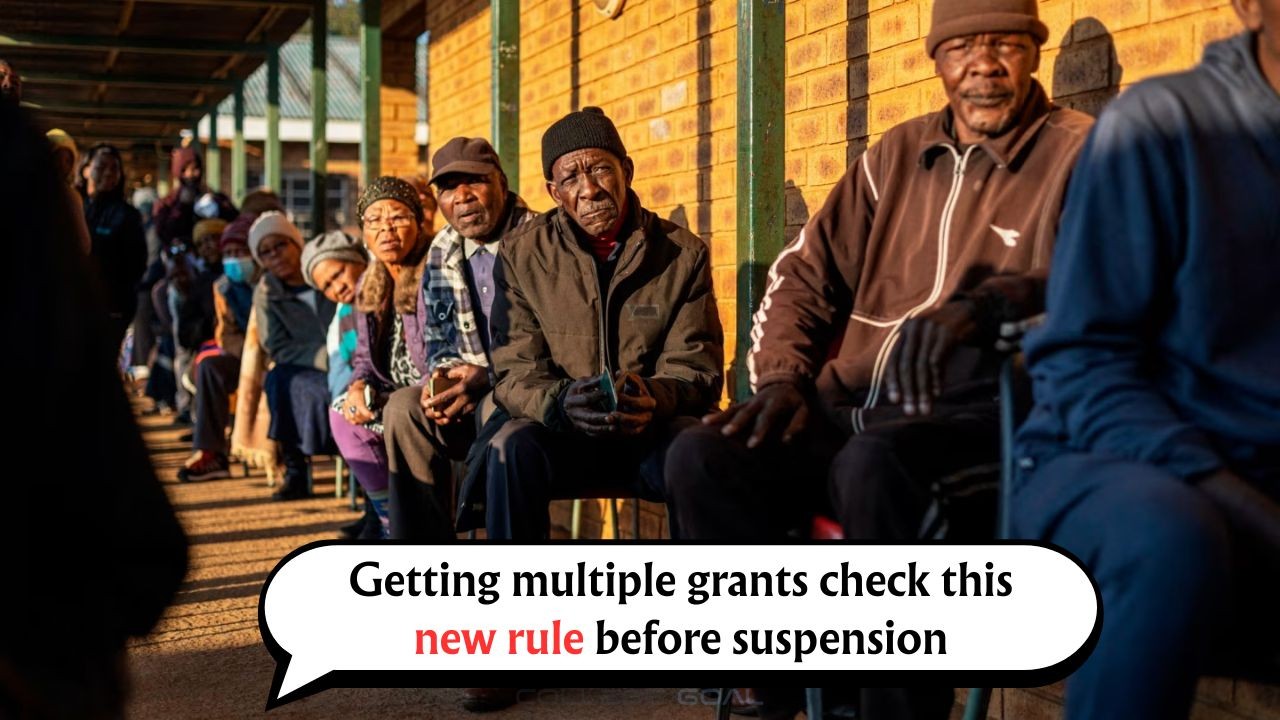
Double Grant Households in South Africa: With the South African government poised to review the status of double grant households starting August 10, many families are on edge, wondering what the future holds. As the nation grapples with economic challenges, this critical review could redefine the support structure for numerous households relying on government grants. In a country where social grants play a pivotal role in combating poverty and inequality, any change in this landscape could have significant repercussions. This article delves into the implications of this review and what it means for those dependent on dual grants.
Understanding Double Grant Households in South Africa
Double grant households refer to families that receive more than one type of social grant from the government, such as the child support grant and the old age pension. These grants are crucial for many South Africans, providing financial relief and supporting basic needs. The government’s decision to review these grants stems from a need to ensure efficient allocation of resources and address potential inefficiencies or duplications in the system. However, this review has sparked concerns among beneficiaries who fear losing their financial lifeline. The importance of these grants cannot be overstated, as they often determine whether families can afford essentials like food, education, and healthcare.

- Child Support Grant: Provides financial assistance to families with children.
- Old Age Pension: Supports elderly citizens who are no longer working.
- Disability Grant: Aids individuals with disabilities who cannot work.
- Foster Care Grant: Assists families caring for foster children.
- Care Dependency Grant: For children with severe disabilities requiring constant care.
- War Veteran’s Grant: Offered to veterans of the Second World War and Korean War.
The Economic Impact of Grant Reductions
Reducing or eliminating grants for certain households could have a profound economic impact on South Africa’s most vulnerable citizens. According to recent studies, social grants contribute significantly to household income for the poorest sectors. A reduction could exacerbate poverty levels, pushing more families into financial distress. Moreover, the ripple effects could extend to local economies, as decreased purchasing power would affect small businesses and local markets dependent on consumer spending. The government must weigh these economic consequences carefully as it seeks to optimize grant distribution.
 Discover How SRD Beneficiaries Are Claiming R370 Early: July 25 Payments Already in Motion
| Grant Type | Number of Recipients | Total Payout (R) | Potential Reduction (%) |
|---|---|---|---|
| Child Support Grant | 12 million | R 50 billion | 5% |
| Old Age Pension | 3.5 million | R 80 billion | 3% |
| Disability Grant | 1 million | R 20 billion | 4% |
| Foster Care Grant | 500,000 | R 5 billion | 6% |
Government’s Approach to Reviewing Grants
The government has outlined a methodical approach to reviewing the grant system, emphasizing transparency and stakeholder engagement. The review process will involve consultations with various stakeholders, including community leaders, NGOs, and beneficiaries. This collaborative approach aims to identify inefficiencies while ensuring that no household is unfairly disadvantaged. Key areas under review include eligibility criteria, grant amounts, and the possibility of introducing new support mechanisms to replace or supplement existing grants.

- Stakeholder Consultations: Engaging with various community and sector representatives.
- Data Analysis: Reviewing current grant data to identify trends and inefficiencies.
- Policy Recommendations: Developing recommendations based on findings.
- Pilot Programs: Testing new grant models before full implementation.
- Feedback Mechanism: Allowing for ongoing input from affected parties.
- Implementation Strategy: Rolling out changes in phases to mitigate impact.
- Monitoring and Evaluation: Continuously assessing the impact of changes.
Alternative Support Systems for Affected Households
In light of potential changes to grant structures, the government is exploring alternative support systems to cushion affected households. These alternatives may include vocational training programs to enhance employment opportunities, increased access to microfinance for small business development, and partnerships with private sector companies to create job opportunities. Additionally, boosting social welfare services and community support initiatives could help bridge the gap left by reduced grant assistance.
Potential Alternatives Being Considered:
- Vocational Training: Upskilling individuals to improve job prospects.
- Microfinance Access: Providing financial support for small enterprises.
- Job Creation Partnerships: Collaborating with private sector for employment opportunities.
- Enhanced Social Services: Expanding community-based support programs.
Community Feedback and Concerns
| Concern | Frequency |
|---|---|
| Fear of Grant Cuts | High |
| Lack of Employment Opportunities | Moderate |
| Access to Education | Low |
| Healthcare Accessibility | Moderate |
| Dependence on Grants | High |
The Role of NGOs in Supporting Affected Communities
Non-governmental organizations (NGOs) play a crucial role in supporting communities that may be adversely affected by changes in grant policies. These organizations often provide essential services and advocacy, helping to fill gaps in government support. By collaborating with local communities, NGOs can offer targeted assistance, such as educational programs, health services, and emergency aid. Furthermore, they serve as a vital voice for the underprivileged, advocating for policies that protect their interests.
Key Contributions of NGOs:
- Advocacy: Representing the interests of vulnerable populations.
- Service Provision: Offering essential services and programs.
Collaborations and Partnerships
- Partnering with government to enhance support structures.
- Engaging with international donors for funding assistance.
- Coordinating community-based initiatives to address local needs.
- Providing training and resources to empower communities.
- Facilitating dialogue between communities and policymakers.
Future Outlook for Social Grants in South Africa
As South Africa moves forward with its review of double grant households, the future of social grants remains uncertain yet hopeful. The government’s commitment to a transparent review process and consideration of alternative support systems suggests a focus on innovation and sustainability. While changes may be inevitable, the goal is to create a more equitable system that continues to support those in need while promoting self-sufficiency and economic growth. Continued dialogue and collaboration among all stakeholders will be crucial in shaping a future where social grants effectively contribute to the nation’s socio-economic development.
| Year | Projected Grant Changes | Economic Impact | Community Feedback |
|---|---|---|---|
| 2023 | Review Initiation | Analysis Phase | High Concern |
| 2024 | Pilot Programs | Positive Adjustments | Mixed Reactions |
| 2025 | Policy Implementation | Stabilization | Optimistic Outlook |
FAQs on South African Double Grant Households
- What is a double grant household in South Africa?
It refers to a household receiving more than one type of government grant, such as both a child support grant and an old age pension. - Why is the government reviewing double grant households?
The review aims to ensure efficient resource allocation, eliminate redundancies, and optimize the grant system. - How might the review affect beneficiaries?
Potential impacts include changes to eligibility criteria, grant amounts, and introduction of alternative support mechanisms. - What alternatives are being considered for affected households?
Possible alternatives include vocational training, microfinance access, job creation partnerships, and enhanced social services. - How can NGOs help during this transition?
NGOs can offer advocacy, essential services, and community-based support to mitigate the impact of grant changes.
What are double grant households and why are they potentially in danger?
Double grant households refer to households where multiple grants or financial assistance programs are being received. These households may be in danger due to changes in grant eligibility criteria, funding cuts, or policy reforms that could impact the availability or amount of grants they receive. The critical review starting on August 10 aims to assess the current status of double grant households and identify any potential risks they may face. Stay tuned for more information and updates on this important topic.
What are double grant households and why are they potentially in danger?
Double grant households refer to families or individuals who receive financial assistance from two separate grant programs or sources. These households may be in danger due to changes in grant eligibility criteria, funding cuts, or policy revisions that could impact their ability to continue receiving support from both sources. The critical review starting on August 10 may shed light on the challenges faced by double grant households and potential solutions to mitigate any risks they may face.
How do double grant households benefit from government grants?
Double grant households, where both partners receive government grants, often experience increased financial stability and support. These grants can provide additional income, access to essential services, and assistance with various expenses, contributing to a better quality of life for the household as a whole.
How can double grant households best navigate potential financial challenges and ensure stability during uncertain times?
Double grant households can consider creating a detailed budget, exploring additional sources of income, prioritizing essential expenses, and seeking out financial assistance or counseling services if needed. It's important to communicate openly with each other about financial goals and concerns, and to work together to find creative solutions to any challenges that may arise.
What are some common challenges faced by double grant households?
Double grant households, where both partners receive grants or financial aid, often face challenges such as managing multiple sources of income, coordinating budgeting and financial planning efforts, and navigating potential eligibility changes or restrictions. Balancing expenses, setting financial goals, and communicating openly about money matters are key aspects that can help alleviate some of these challenges.
What is the significance of a critical review starting on August 10 for double grant households?
The critical review starting on August 10 will focus on assessing the potential risks and challenges faced by double grant households. This evaluation will provide insights into the vulnerabilities and strengths of such households, helping to identify any potential dangers they may be facing. Stay tuned for the findings and recommendations from the review to better understand the situation and possible solutions for double grant households.
What factors contribute to the potential vulnerability of double grant households?
Double grant households, where both partners receive grants or benefits, may be at risk due to various factors such as changes in eligibility criteria, fluctuations in grant amounts, financial instability, lack of savings, and unexpected expenses. These households may face challenges in managing multiple grants, coordinating benefits, and planning for the future, making them potentially vulnerable to financial instability and other risks.
How can double grant households protect themselves from potential dangers?
Double grant households can protect themselves by ensuring they have a thorough understanding of the eligibility requirements and regulations associated with each grant they receive. It is important to stay informed about any changes or updates to the grants, maintain accurate records of how the grant money is being used, and seek guidance from financial advisors or experts if needed. By staying proactive and informed, double grant households can mitigate any potential risks and ensure they are in compliance with all grant guidelines.
What is the purpose of the critical review starting on August 10 for double grant households?
The critical review starting on August 10 aims to assess the potential risks and challenges faced by double grant households to determine if they are in danger. This review will provide valuable insights into the financial stability and security of households receiving multiple grants, helping to identify any vulnerabilities and potential solutions.
How can households with double grants protect themselves from potential dangers?
To protect households with double grants, it is important to ensure that all grant information is kept confidential and secure. Regularly monitoring bank accounts and credit reports can also help detect any suspicious activity. Additionally, being cautious of sharing personal information online and verifying the legitimacy of any grant-related communications can further safeguard against potential dangers.
What are some common challenges faced by double grant households that might put them in danger?
Double grant households, where both partners receive grants or benefits, may face financial instability if there are sudden changes in grant amounts, eligibility criteria, or delays in grant disbursement. These challenges can lead to difficulties in budgeting, paying bills on time, and meeting basic needs, potentially putting them at risk of financial insecurity.
How are double grant households defined, and why might they be considered in danger?
Double grant households are typically families who rely on two different grants or sources of financial support to meet their basic needs. They may be considered in danger if any changes to these grants or sources occur, such as reductions in funding, eligibility criteria changes, or program cuts, which can impact their financial stability and ability to cover essential expenses. The critical review starting on August 10 will likely assess the potential risks and challenges faced by double grant households, providing insights into the factors that could put them at risk.
How can double grant households prepare for the critical review starting on August 10?
Double grant households can prepare for the critical review by gathering all necessary documentation related to their grants, ensuring that all information is up to date and accurate, and being ready to provide any additional information or clarification that may be requested during the review process. It is also advisable for them to stay informed about any changes or updates to the review process and to seek assistance from relevant agencies or organizations if needed.
How do double grant households contribute to financial stability in communities?
Double grant households, where both partners receive separate grants or financial assistance, can contribute to increased financial stability in communities by pooling resources, reducing the risk of financial hardship, and providing a stronger financial safety net for the household members. This arrangement can help alleviate financial stress, support economic independence, and promote overall well-being within the community.
How do double grant households differ from single grant households?
Double grant households refer to families that receive financial assistance from two separate grant programs, whereas single grant households rely on just one grant program for support. The presence of two grant sources can affect the household's overall financial stability and eligibility for certain benefits.
How can double grant households ensure they are prepared for a critical review starting on August 10?
Double grant households can prepare for the critical review by gathering all necessary documentation, ensuring their financial records are up-to-date and accurate, and familiarizing themselves with the eligibility criteria and requirements for the grants they receive. It's also important to stay informed about any changes or updates to the grant programs to ensure compliance.
How can households receiving double grants ensure they are not in danger?
To safeguard households receiving double grants, it is essential to diligently review the terms and conditions of each grant program, maintain accurate records of the funds received, and promptly report any discrepancies or concerns to the respective grant providers. Stay informed about any changes in grant policies or regulations that may impact eligibility or compliance, and seek guidance from financial advisors or legal experts if needed to navigate potential risks effectively.
How can double grant households assess their financial stability and prepare for potential risks?
Double grant households can conduct a comprehensive review of their current financial situation by evaluating their incomes, expenses, savings, and debts. It is important to create a budget, prioritize essential expenses, build an emergency fund, and explore additional income sources or assistance programs if needed. Seeking financial counseling or advice from experts can also provide valuable insights and strategies to mitigate any risks and ensure long-term stability.
What are double grant households and why are they at risk?
Double grant households refer to households where both partners receive separate grant payments. These households may be at risk if they rely heavily on these grants as their primary source of income, as any disruption or reduction in grant payments can significantly impact their financial stability. The critical review starting on August 10 aims to assess the potential risks and challenges faced by double grant households and propose solutions to support their financial well-being.
What factors contribute to double grant households being in danger?
Double grant households may be at risk due to a variety of factors, including potential changes in grant eligibility criteria, reductions in grant amounts, economic downturns, and unforeseen circumstances such as health emergencies or job loss. Stay tuned for our critical review starting on August 10 for more insights and analysis on this issue.
What are the potential risks faced by double grant households that will be discussed in the critical review starting on August 10?
The critical review starting on August 10 will address various risks faced by double grant households, such as financial strain, eligibility issues, administrative challenges, and potential impact on future grant applications. Stay tuned for more insights and recommendations on how to navigate these risks effectively.
How do double grant households benefit from receiving multiple grants?
Double grant households benefit from receiving multiple grants as it provides them with additional financial assistance to meet their needs. This can help alleviate financial strain and improve their overall quality of life.
What are the potential risks faced by households with double grants that will be reviewed starting on August 10 in the critical review?
The critical review starting on August 10 will assess the vulnerabilities and risks faced by households receiving double grants. Some potential risks could include mismanagement of funds, lack of oversight, fraud, or inefficiencies in the grant allocation process. It is important to closely follow the findings of the review to understand how these risks may impact households and what measures can be taken to mitigate them.
What are the potential risks faced by double grant households that will be discussed in the critical review starting on August 10?
The critical review starting on August 10 will delve into various potential risks faced by double grant households, such as financial instability, increased stress levels, potential eligibility issues, and the impact of policy changes on their benefits. Stay tuned for a comprehensive analysis of these concerns and more.
How does being in a double grant household impact financial stability and potential dangers?
Being in a double grant household, where two individuals receive grants or financial assistance, can have both positive and negative impacts on financial stability. While having two sources of income can provide a level of financial security, it can also lead to potential dangers such as dependency on grants, potential reduction or loss of grants if the household income exceeds eligibility thresholds, and limited opportunity for financial growth and independence. It is important for individuals in double grant households to carefully manage their finances, plan for the future, and seek additional sources of income to mitigate these risks.
How can households receiving double grants navigate potential financial risks effectively?
To navigate potential financial risks, households receiving double grants should create a detailed budget, prioritize essential expenses, consider setting up an emergency fund, and seek financial advice from professionals if needed. It's crucial to manage the extra income wisely to ensure long-term financial stability.
How common are double grant households, and why are they potentially in danger?
Double grant households, where both partners receive grant funding or financial assistance, are not uncommon, especially in certain industries or communities. These households may be in danger if there are changes or cuts to the grant programs, resulting in a loss of financial support for both individuals. The critical review starting on August 10 will likely delve into the specific risks and challenges facing double grant households and provide insights on potential solutions or support systems.
What are the potential risks faced by double grant households that will be discussed in the critical review starting on August 10?
The critical review starting on August 10 will explore various risks faced by double grant households, such as financial instability, increased stress, potential eligibility complications, and the impact of policy changes on their grant status. Tune in to gain valuable insights and recommendations to navigate these challenges effectively.
What are double grant households and why are they potentially in danger?
Double grant households are families who receive financial assistance from two separate grants or sources. These households may be in danger due to changes in grant funding, eligibility criteria, or economic conditions that could impact their ability to receive both grants. The critical review starting on August 10 will likely provide more insights into the specific challenges faced by double grant households and potential solutions to support them.
How can double grant households protect themselves from potential risks?
Double grant households can protect themselves by ensuring they have a clear understanding of the eligibility criteria and requirements for each grant they receive. Proper documentation and record-keeping are essential to demonstrate compliance with grant terms. Additionally, staying informed about any changes in grant regulations or policies can help avoid unexpected issues. Consulting with financial advisors or grant experts can also provide valuable guidance on managing multiple grants effectively and minimizing risks.
How can double grant households protect themselves from potential dangers highlighted in the critical review starting on August 10?
Double grant households can protect themselves by carefully reviewing the findings of the critical review, implementing any recommended safety measures, seeking financial advice if necessary, and staying informed about any updates or changes that may affect their grants or financial situation. It is also advisable for them to communicate with relevant authorities or organizations to address any concerns or questions they may have.
What are double grant households and why are they potentially in danger?
Double grant households refer to families that receive financial assistance from two different grant programs, such as housing grants, educational grants, or welfare grants. These households may be in danger if there are changes to the eligibility criteria, funding cuts, or policy reforms that could impact their ability to continue receiving support from both grants. The critical review starting on August 10 may shed light on any potential risks or challenges faced by double grant households and offer insights into how to address these issues.
How can double grant households reduce their financial risks and protect their financial stability?
Double grant households can reduce their financial risks and protect their financial stability by creating a detailed budget, building an emergency fund, exploring additional income sources, and seeking financial advice or counseling if needed. It's important for these households to prioritize saving and planning for unexpected expenses to mitigate any potential financial challenges.
How can double grant households mitigate the risks they may face?
Double grant households can mitigate risks by creating a financial plan, setting a budget, prioritizing expenses, and seeking additional support or resources if needed. It is crucial for these households to regularly reassess their financial situation and make adjustments as necessary to ensure financial stability.
What factors contribute to double grant households being at risk?
Double grant households may be at risk due to various factors such as economic instability, job loss, health issues, natural disasters, or other unforeseen circumstances that can impact their financial situation. The critical review starting on August 10 will likely delve into these factors and provide insights on how to address and support these vulnerable households.
What factors determine if a double grant household is in danger?
Several factors can determine if a double grant household is in danger, including the stability of the grants, the financial management skills of the individuals involved, any unexpected expenses or emergencies, and the overall economic climate. It is important to assess each household's unique situation to determine their level of risk.
What are some potential risks that double grant households may face?
Double grant households, where both partners receive grant funding, may face various risks such as potential audits for mismanagement of funds, confusion or conflict regarding grant requirements, and challenges in coordinating grant activities effectively. It is important for these households to maintain clear communication, proper record-keeping, and compliance with grant guidelines to mitigate these risks.
How can double grant households protect themselves from potential dangers highlighted in the critical review starting on August 10?
To safeguard double grant households, it is advisable to closely follow the critical review findings, assess the potential risks mentioned, and take proactive measures such as diversifying income sources, setting up an emergency fund, and seeking financial advice if needed. Stay informed and prepared to navigate any challenges that may arise.
What are the potential risks faced by double grant households that will be discussed in the critical review starting on August 10?
The critical review starting on August 10 will address various potential risks faced by double grant households, such as financial instability, increased stress levels, potential eligibility issues, and impact on overall well-being. Stay tuned for in-depth analysis and insights on how to navigate these challenges effectively.
How common are double grant households and what challenges do they face in terms of financial stability?
Double grant households, where both partners receive grants or financial assistance, are becoming increasingly common. While this additional income may provide some financial relief, these households may still face challenges such as managing multiple grant payments, understanding eligibility criteria, and potential changes in grant amounts. It's important for double grant households to stay informed, budget effectively, and seek financial advice if needed to maintain their financial stability.
What factors contribute to double grant households being at risk?
Double grant households may be at risk due to various factors, including changes in government funding policies, economic instability, job loss, health issues, or unexpected expenses. These households may face challenges in managing their finances effectively, leading to potential financial strain and vulnerability. It is important for policymakers and support services to address the unique needs of double grant households to prevent them from being at risk.
How can double grant households mitigate the risks and challenges they may face?
Double grant households can consider creating a solid financial plan, seeking professional advice on managing multiple grants, prioritizing essential expenses, and building an emergency fund to help weather any financial uncertainties. It's also beneficial to stay informed about any changes in grant policies and regulations to ensure compliance and maximize grant benefits.
What are the potential risks faced by double grant households that will be discussed in the critical review starting on August 10?
The critical review starting on August 10 will delve into the various risks faced by double grant households, including financial instability, increased stress levels, potential eligibility issues, and the impact on overall household well-being. Stay tuned for a detailed analysis of these challenges and potential solutions.
What are the key factors that may put double grant households at risk?
Double grant households may be at risk due to changes in government policies affecting grant eligibility, economic instability, job loss, health crises, and lack of access to resources and support services. Stay tuned for our critical review starting August 10 to learn more about the challenges faced by double grant households and potential solutions.
What factors contribute to the vulnerability of double grant households that will be examined in the critical review starting on August 10?
The critical review will investigate various factors such as economic instability, lack of access to resources, educational disparities, healthcare challenges, and social inequalities that could potentially endanger double grant households.
What factors contribute to the vulnerability of double grant households?
Double grant households may be at risk due to potential changes in grant eligibility criteria, economic fluctuations, lack of financial planning, or unforeseen emergencies. Stay tuned for our critical review starting on August 10 to explore these factors in more detail.
How can double grant households ensure financial security and stability in uncertain times?
Double grant households can take steps to ensure financial security by creating a detailed budget, building an emergency fund, prioritizing essential expenses, exploring additional income sources, and seeking financial guidance or assistance if needed. It's important to regularly review and adjust financial plans to adapt to changing circumstances and protect against potential risks.
What is the significance of a critical review starting on August 10 for double grant households?
The critical review starting on August 10 will assess the potential risks and challenges faced by double grant households, shedding light on any vulnerabilities or issues that may be present within this demographic. Stay tuned for insights and recommendations that could benefit households receiving double grants.
How can double grant households protect themselves from potential dangers?
To safeguard double grant households, it is crucial to stay informed about any changes in grant policies or eligibility criteria. Additionally, maintaining detailed records of grant applications, approvals, and disbursements can help ensure transparency and accountability. Seeking advice from financial advisors or social service organizations can also provide valuable guidance on managing grant funds effectively and minimizing risks.
What is a "double grant household" and why might they be considered in danger?
A "double grant household" refers to a household where both members receive grants or financial assistance. These households may be considered in danger if there are potential changes to the grant programs, eligibility criteria, or funding levels that could impact the financial stability of the household. Stay tuned for our critical review starting on August 10 to learn more about the potential risks and challenges facing double grant households.
How can double grant households ensure they are not in danger of losing their grants?
Double grant households can take proactive steps to safeguard their grants by regularly reviewing their eligibility criteria, staying informed about any changes in regulations, keeping accurate records of their financial information, and promptly responding to any communication from relevant authorities. Additionally, seeking assistance from financial advisors or social service agencies can help navigate any potential risks or challenges that may arise.
What is a double grant household and why are they potentially in danger?
A double grant household refers to a household where both partners or individuals receive grants or financial assistance. They might be in danger due to changes in grant eligibility criteria, reductions in grant amounts, or other policy shifts that could impact their financial stability. Stay tuned for our critical review starting on August 10 to learn more about the potential risks faced by double grant households.
How can households with double grants ensure they are not in danger?
To safeguard households with double grants, it is advisable to stay informed about any potential risks or changes that may affect their grants. By regularly checking official updates from relevant authorities and seeking guidance from financial advisors, individuals can take proactive steps to protect their financial well-being. Additionally, maintaining open communication with grant providers and understanding the terms and conditions of their grants can help prevent any unforeseen issues.
What are the main factors that could potentially put double grant households at risk?
Double grant households may face increased vulnerability due to changes in grant eligibility criteria, fluctuations in grant amounts, economic downturns, and unexpected expenses. Additionally, lack of financial planning, inadequate savings, and limited access to support services can further contribute to their risk. Stay tuned for our critical review starting on August 10 for a more in-depth analysis.
What are some potential challenges faced by double grant households that may put them in danger?
Double grant households, where both partners receive government grants or benefits, may face challenges such as increased scrutiny by authorities, potential loss of benefits if their combined income exceeds eligibility thresholds, and complexities in managing multiple grants. These factors could potentially put such households at risk if not properly navigated.
What are the potential risks faced by double grant households that will be discussed in the critical review starting on August 10?
The critical review starting on August 10 will examine various risks faced by double grant households, such as financial instability, increased stress levels, potential eligibility issues, and the impact of policy changes on their grant status. Stay tuned for a comprehensive analysis of these critical issues affecting double grant households.
What factors contribute to double grant households potentially being in danger?
Double grant households may be at risk due to various factors, such as changes in financial circumstances, unexpected expenses, lack of financial planning, or inadequate support systems. The critical review starting on August 10 will likely shed light on specific reasons that put these households in jeopardy.
How can double grant households ensure their financial security during uncertain times?
To ensure financial security, double grant households can consider creating a budget, saving for emergencies, diversifying income sources, and seeking financial advice to navigate any challenges that may arise.
How can double grant households mitigate potential financial risks or challenges?
Double grant households can consider creating a detailed budget that accounts for all sources of income and expenses, prioritize saving for emergencies, and seek financial counseling or advice to navigate any potential challenges. Additionally, exploring other income-generating opportunities or seeking additional financial aid or support programs may help in managing financial risks effectively.
How are double grant households defined, and why might they be in danger?
Double grant households are families that receive two types of financial assistance or grants. They may be in danger if there are changes in eligibility requirements, funding cuts, or policy shifts that affect the availability of both grants. The critical review starting on August 10 will assess the potential risks and challenges faced by double grant households.
How do double grant households differ from single grant households in terms of financial stability and eligibility for assistance programs?
Double grant households refer to households where two individuals receive separate grants or forms of financial assistance. These households may face unique challenges in terms of financial stability, as they may have higher combined incomes that could affect their eligibility for certain assistance programs compared to single grant households. Understanding the criteria and regulations of each program is crucial for double grant households to effectively manage their finances and access the support they need.
What factors put double grant households at risk and why is it important to review them critically starting August 10?
Double grant households may be at risk due to potential changes in grant eligibility criteria, funding allocations, or program regulations. It is important to conduct a critical review to assess the impact of these changes on the financial stability and well-being of these households. Starting August 10, this review will provide valuable insights to help support and protect double grant households facing potential challenges.
What are some common challenges faced by double grant households that could potentially put them in danger?
Double grant households, where both partners receive grant funding, may face challenges such as financial strain, difficulty managing multiple grants, potential conflicts of interest, and increased scrutiny from funding agencies. These factors could contribute to a higher risk of mismanagement or misuse of grant funds, which may put these households in danger of losing funding or facing legal repercussions.
What factors determine if a household is considered a "double grant household"?
A household is typically classified as a "double grant household" when it receives grants or financial assistance from two different sources or programs. This could include government grants, non-profit organization grants, or any other forms of financial aid. Factors that determine this classification may include income level, eligibility criteria of the granting organizations, and the specific types of grants received.
What are the potential risks faced by double grant households that may put them in danger?
Double grant households, where both partners receive grant funding, may face several risks that could jeopardize their financial stability. These risks can include dependency on grant funding, potential loss of grants due to changes in eligibility criteria, lack of long-term financial planning, and limited financial resources outside of grant funding. It is important for double grant households to assess these risks and seek out support and advice to mitigate any potential dangers they may face.
How can double grant households protect themselves from potential dangers?
Double grant households can protect themselves by staying informed about the critical review beginning on August 10, ensuring all necessary documentation is in order, and seeking guidance from financial advisors or legal professionals if needed. It's essential to be proactive and prepared during this time to mitigate any risks that may arise.
What are double grant households and why might they be in danger?
Double grant households refer to families or individuals who receive financial assistance from two separate grant programs or sources. These households may be in danger due to potential changes in grant eligibility criteria, funding cuts, or policy modifications that could impact the availability or amount of assistance they receive. The critical review starting on August 10 will evaluate the current situation and potential risks faced by double grant households.
What is the significance of the critical review starting on August 10 for double grant households?
The critical review starting on August 10 will analyze the potential dangers and challenges faced by double grant households. It will likely evaluate factors such as financial stability, resource allocation, and overall well-being of households receiving multiple grants, providing valuable insights and recommendations for support and improvement.
What are the potential risks faced by double grant households that might put them in danger?
Double grant households, where two individuals receive separate grants or financial assistance, can face various risks such as increased financial vulnerability, dependency on external support, and potential disruptions in grant payments. Factors like changes in eligibility criteria, loss of income sources, or delays in grant disbursement can further exacerbate the situation, putting these households at risk of financial instability and insecurity. It is important for individuals in double grant households to stay informed about their grant terms, maintain open communication with relevant authorities, and seek additional support or resources if needed to mitigate these risks.
What are double grant households and why are they potentially in danger?
Double grant households refer to households where multiple family members receive government grants or assistance. These households may be in danger due to changes in policies, funding cuts, or limitations on eligibility criteria. The critical review starting on August 10 will examine the impact of these factors on double grant households and explore potential solutions to address any challenges they may face.
What factors contribute to the vulnerability of double grant households?
Double grant households are considered vulnerable due to their reliance on multiple sources of financial assistance, which can be impacted by changes in grant policies, economic fluctuations, and unexpected expenses. Additionally, these households may face challenges in budgeting and managing their finances effectively, leading to increased financial strain and potential risk of instability.
How do double grant households differ from single grant households?
Double grant households refer to households that receive grants or financial assistance from two different sources, whereas single grant households receive assistance from only one source. Double grant households may face unique challenges and benefits compared to single grant households, such as potentially higher total income but also potentially more complex financial management.
How can households with double grants protect themselves from potential dangers?
To protect households with double grants, it is important to stay informed about any changes in grant policies, carefully review grant agreements, regularly monitor grant disbursements, and seek financial advice if needed. Additionally, maintaining accurate records and communication with grant providers can help ensure the grants are used appropriately and prevent any potential risks.
How do double grant households benefit from having multiple grants?
Double grant households typically benefit from having two sources of financial support, which can help cover a wider range of expenses such as housing, education, healthcare, and more. Having multiple grants can provide a greater sense of financial security and stability for the household.
How can double grant households ensure financial stability in uncertain times?
Double grant households can ensure financial stability by creating a detailed budget, saving and investing wisely, maintaining open communication about finances, exploring additional sources of income, and seeking professional advice when needed. It's important to have a solid financial plan in place to navigate any potential challenges and protect the household's financial well-being.
How can households with double grants protect themselves from potential dangers?
To protect themselves, households with double grants should regularly monitor their accounts, set up alerts for any suspicious activity, use strong and unique passwords for all accounts, avoid sharing personal information online, and be cautious of phishing scams. It's also recommended to keep important documents secure and up to date, and to consider investing in identity theft protection services for added security.
How can households with double grants assess their financial stability and potential risks?
To evaluate the financial health and potential risks for households with double grants, it is important to conduct a thorough review of income sources, expenses, savings, and investments. Consider creating a budget, tracking expenses, building an emergency fund, and seeking financial advice if needed. Stay informed about any changes in grant policies or eligibility criteria that may impact your household.
Can double grant households mitigate the risk of financial instability during times of economic uncertainty?
Yes, double grant households, where both partners receive grants or funding, can provide a level of financial security and stability during uncertain economic times. By diversifying income sources and leveraging multiple grants, these households may be better equipped to weather financial challenges compared to single grant households.
How can households with double grants protect themselves from potential dangers?
To safeguard double grant households, it is essential to stay informed about any potential risks and take proactive steps to secure personal and financial information. Setting up strong passwords, enabling two-factor authentication, regularly monitoring accounts for unusual activity, and being cautious of suspicious emails or messages can help mitigate potential dangers. Additionally, seeking advice from financial advisors or relevant professionals can provide further guidance on protecting assets and grants.
What are some potential dangers faced by double grant households that will be discussed in the critical review starting on August 10?
Some potential dangers faced by double grant households that will be discussed in the critical review include financial instability, increased stress levels, potential eligibility issues, and the impact on overall family well-being. Stay tuned for a detailed analysis and recommendations to support these households.
How might the potential danger faced by double grant households impact their financial stability and well-being?
The critical review starting on August 10 will explore various aspects of the situation, including the financial implications and potential solutions for double grant households. Stay tuned for insights on how this issue could affect their financial stability and well-being.
How can double grant households protect themselves from potential dangers highlighted in the critical review starting on August 10?
To protect themselves, double grant households should closely follow the critical review findings and recommendations. They can also consider diversifying their sources of income, building emergency savings, and seeking financial advice to better navigate any challenges that may arise.
How do double grant households benefit from multiple grants?
Double grant households benefit from receiving financial assistance from two separate grant programs, which can help alleviate financial burdens and provide additional support for various needs. By combining the resources of both grants, families can have more financial stability and flexibility to address their specific circumstances and improve their overall well-being.
What factors contribute to the vulnerability of double grant households?
Double grant households may be at risk due to various factors such as changes in grant eligibility criteria, economic instability, lack of financial planning, and unforeseen circumstances like job loss or medical emergencies. The upcoming critical review starting on August 10 will delve deeper into these factors and provide insights on how to support and protect double grant households from potential dangers.
How can households with double grants protect themselves from potential dangers?
To safeguard double grant households, it is recommended to regularly review and update security measures, such as installing alarm systems, maintaining good communication with neighbors, and being vigilant of any suspicious activities in the area. Additionally, having proper insurance coverage and keeping important documents in a secure location can provide added protection in case of unforeseen events.
How can double grant households mitigate the risk of financial instability?
Double grant households can mitigate the risk of financial instability by creating a detailed budget, prioritizing essential expenses, setting up an emergency fund, seeking financial counseling or assistance, exploring additional income streams, and regularly reviewing and adjusting their financial strategies.
How common are double grant households and why are they potentially in danger?
Double grant households, where both partners receive grant funding, are not uncommon in today's society. However, they may be in danger due to changes in funding policies, eligibility criteria, or economic fluctuations. The critical review starting on August 10 will provide more insight into the specific risks and challenges faced by double grant households.
How can double grant households protect themselves from potential dangers highlighted in the critical review starting August 10?
To protect themselves, double grant households can stay informed by regularly checking for updates on the critical review, reviewing their financial statements and grant agreements, seeking advice from financial professionals, and ensuring they have a solid emergency savings fund in place. It's also important for them to communicate openly with grant providers and be proactive in addressing any concerns that may arise.
How can households with double grants ensure they are prepared for any potential financial challenges or risks?
To safeguard double grant households from financial vulnerability, it is advisable to create a comprehensive budget that considers all sources of income, expenses, and potential risks. Additionally, establishing an emergency fund can provide a safety net in case of unexpected circumstances. Seeking financial advice or counseling can also be beneficial in developing a robust financial plan to navigate any challenges that may arise.
What are double grant households and why are they potentially in danger?
Double grant households refer to families who rely on multiple sources of financial support, such as two different types of grants or benefits. The critical review starting on August 10 aims to assess the impact of potential changes or cuts to these grants on such households. This evaluation will help determine the level of risk faced by these households and identify any necessary support measures that may be required to protect them from financial instability.
How can double grant households prepare for the critical review starting on August 10?
Double grant households can start preparing by ensuring all necessary documentation and information are up to date and readily accessible. It's important to review the guidelines and requirements for the critical review process and make any necessary adjustments to demonstrate compliance. Seeking guidance from relevant authorities or professionals can also help in navigating the review effectively.
How can double grant households mitigate financial risks and protect their financial stability?
Double grant households can consider creating a detailed budget, building an emergency fund, exploring additional sources of income, and seeking financial counseling to proactively manage their finances and cushion any potential financial challenges.
What are the potential risks faced by double grant households that will be discussed in the critical review starting on August 10?
The critical review starting on August 10 will delve into the various risks faced by double grant households, which may include financial instability, challenges in managing multiple grants, potential eligibility issues, and the impact of policy changes on their benefits. Stay tuned for insights and recommendations to support these households in navigating these challenges effectively.
How can households with double grants ensure they are not in danger of any potential risks?
To safeguard double grant households, it is advisable to carefully review the terms and conditions of each grant, monitor any changes in eligibility criteria, maintain accurate records of grant disbursements, and seek guidance from financial advisors or relevant authorities if needed. Stay informed and proactive to mitigate any potential risks that may arise.
What are some common challenges faced by double grant households that might put them in danger?
Double grant households, where both partners receive grant income, may face challenges such as managing multiple sources of income, dealing with varying eligibility criteria, ensuring financial stability, and navigating potential changes in grant amounts or eligibility status. These factors can contribute to financial stress and instability, placing them at risk of facing difficulties in meeting their basic needs.
How can double grant households safeguard their financial stability amidst potential dangers?
Double grant households can take proactive steps such as creating a detailed budget, establishing an emergency fund, exploring additional sources of income, and seeking financial counseling to mitigate any risks to their financial stability. Stay tuned for our critical review starting on August 10 for more insights and recommendations.
What are the potential risks faced by households with double grants?
Households with double grants may face various risks such as increased scrutiny from grant providers, potential audits to ensure compliance with grant terms, and the possibility of grant funds being revoked if any discrepancies or misuse are found. It is essential for double grant households to maintain clear records, adhere to grant guidelines, and use the funds appropriately to mitigate these risks.
How can double grant households mitigate any potential financial risks or challenges they may face?
Double grant households can consider creating a budget that accounts for both grants, setting aside emergency savings, exploring additional sources of income, and seeking financial counseling or advice to help manage their finances effectively. It's also important for them to stay informed about any changes in grant policies or eligibility criteria to proactively address any potential challenges.
How do double grant households differ from single grant households in terms of financial stability and support?
Double grant households typically consist of individuals who receive support or funding from two separate sources, such as government grants, scholarships, or assistance programs. In comparison to single grant households, double grant households may have a higher level of financial stability due to the additional support they receive. However, they may also face unique challenges related to managing multiple grants, ensuring compliance with funding requirements, and maintaining eligibility for both sources of support. Understanding the differences between these household types can provide valuable insights into their financial well-being and potential risks they may face.
How can double grant households protect themselves from potential risks?
Double grant households can protect themselves by staying informed about any changes to grant programs, ensuring they meet all eligibility criteria, maintaining accurate documentation, and seeking guidance from financial advisors or relevant organizations. Additionally, it may be beneficial for them to explore alternative sources of income or support to mitigate any potential risks.
How can double grant households mitigate the risk of financial instability?
Double grant households can mitigate the risk of financial instability by creating a detailed budget, prioritizing essential expenses, building an emergency fund, seeking financial counseling or assistance, and exploring additional sources of income, such as part-time work or freelance opportunities. It's also important to regularly review and adjust the financial plan to adapt to changing circumstances.
How can double grant households protect themselves from potential dangers?
To protect themselves, double grant households should ensure they have a clear understanding of the terms and conditions of each grant they receive, maintain detailed financial records, and stay updated on any changes in regulations or policies related to their grants. It is also advisable for them to seek guidance from financial advisors or relevant organizations to help navigate any potential risks or challenges they may face.
What are the potential risks faced by double grant households that will be discussed in the critical review starting on August 10?
The critical review starting on August 10 will address possible risks such as financial instability, increased stress levels, eligibility challenges, and potential gaps in support services for double grant households. Stay tuned for a detailed analysis and recommendations to help mitigate these risks.
What are the potential risks faced by double grant households that will be discussed in the critical review starting on August 10?
The critical review starting on August 10 will examine the unique challenges faced by double grant households, including possible financial strain, eligibility complexities, and the impact of policy changes on their access to support. Stay tuned for a thorough analysis of the risks and implications for these households.
What are double grant households and why are they potentially in danger?
Double grant households refer to families who receive financial assistance or grants from two different sources. These households may be at risk if there are changes in grant policies, funding cuts, or other external factors that could impact their eligibility or the amount of assistance they receive. The critical review starting on August 10 will likely provide insights into the challenges and potential solutions for double grant households facing uncertainties.
What are the potential risks faced by double grant households that will be discussed in the critical review starting on August 10?
The critical review starting on August 10 will examine various risks faced by double grant households, including financial instability, increased stress levels, potential eligibility challenges, and the impact of external factors such as economic downturns or policy changes. Be sure to stay tuned for further insights and analysis on this important topic.
How can double grant households mitigate the potential risks highlighted in the critical review starting on August 10?
Double grant households can consider diversifying their sources of income, creating a robust financial plan, and seeking professional advice to navigate any challenges identified in the critical review.
How can double grant households mitigate the risk of financial instability?
Double grant households can mitigate the risk of financial instability by creating a detailed budget, prioritizing essential expenses, seeking financial counseling or assistance, and exploring additional sources of income or support. It is important for these households to stay informed about available resources and benefits that could help them navigate through any financial challenges they may face.
How can double grant households mitigate the potential dangers highlighted in the critical review starting on August 10?
Double grant households can take proactive steps such as ensuring proper financial planning, diversifying income sources, staying informed about any policy changes, and seeking professional advice to navigate any challenges that may arise.
How can double grant households mitigate any potential risks or challenges they may face?
Double grant households can proactively address any potential risks by creating a detailed financial plan, prioritizing expenses, building an emergency fund, and seeking guidance from financial advisors or non-profit organizations specializing in financial assistance. It's essential to communicate openly about financial matters within the household and explore available resources for support.
What are some potential challenges faced by double grant households that could put them in danger?
Double grant households, where two individuals receive grants or financial assistance, may face challenges such as increased financial dependence on grants, lack of stability if grant amounts fluctuate, limited access to additional resources, and potential budget constraints if grants are insufficient to cover living expenses. These factors can contribute to financial insecurity and put such households at risk.
How can double grant households protect themselves from potential dangers?
Double grant households can protect themselves by ensuring they have a comprehensive understanding of the terms and conditions of both grants, keeping track of important deadlines, and seeking financial advice if needed. It's also important to regularly review and update financial information to ensure both grants are being utilized effectively and to safeguard against any potential risks.
How can double grant households mitigate the potential risks highlighted in the critical review starting on August 10?
Double grant households can take proactive steps to protect themselves by reviewing their financial strategies, diversifying their income sources, creating an emergency fund, and seeking professional advice to navigate any challenges that may arise. Stay informed and prepared to adapt as needed based on the findings of the critical review.
What are the potential risks faced by double grant households that may put them in danger?
Double grant households, where both partners receive separate government grants or subsidies, may face several risks that could potentially put them in danger. These risks may include financial instability if one or both grants are reduced or discontinued, increased stress and pressure to maintain multiple sources of income, and possible issues with dependency on government assistance. It's important for double grant households to carefully manage their finances, seek support from financial advisors or social services, and have contingency plans in place to mitigate any potential dangers they may face.
What factors contribute to the potential vulnerability of double grant households?
Double grant households may be at risk due to various factors such as changes in grant eligibility criteria, economic fluctuations, lack of financial literacy, and limited access to additional support services. Stay tuned for our critical review starting on August 10 to explore these issues in depth.
How can double grant households protect themselves from potential dangers highlighted in the critical review starting on August 10?
To safeguard double grant households, it is recommended to stay informed about the review findings, assess any potential risks mentioned, and take proactive measures such as financial planning, seeking advice from experts, and adjusting grant management strategies if needed. Stay tuned for insights and guidance as the critical review unfolds.
What factors contribute to double grant households being in danger?
Double grant households may be at risk due to various factors such as financial instability, limited access to resources, lack of support networks, and potential challenges in managing multiple grants effectively. The critical review starting on August 10 aims to explore these factors in depth and provide insights on how to support and protect double grant households.
What are the potential risks faced by double grant households that will be discussed in the critical review starting on August 10?
The critical review starting on August 10 will explore various risks that double grant households may face, including financial instability, eligibility issues, administrative burdens, and potential impacts on the well-being of the household members. Stay tuned for more detailed insights and analysis on this topic.
How can households with double grants protect themselves from potential dangers?
To protect themselves, households with double grants can consider consolidating their financial information, monitoring their accounts regularly, setting up alerts for any suspicious activities, and being cautious with sharing personal information online. It is also advisable to maintain strong passwords, avoid clicking on suspicious links or attachments, and stay informed about common scams targeting individuals with multiple grants.
How can double grant households ensure they are not in danger of losing their grants?
Double grant households can take proactive steps to protect their grants, such as regularly reviewing eligibility requirements, keeping accurate records of their finances, and seeking guidance from relevant authorities or financial advisors. Additionally, staying informed about any policy changes or updates related to grants can help them stay ahead and avoid any potential risks.
How can double grant households protect themselves from potential dangers?
Double grant households can protect themselves by reviewing their financial statements regularly, setting up fraud alerts on their accounts, securing sensitive information, and being cautious of potential scams or phishing attempts. Additionally, seeking financial advice from professionals can help in managing and safeguarding their grants efficiently.
How can double grant households protect themselves from potential dangers highlighted in the critical review starting on August 10?
To protect themselves, double grant households can stay informed by following the critical review findings, review their financial statements regularly, consider diversifying their income sources, and seek advice from financial experts if needed.
What are the potential risks faced by double grant households that will be discussed in the critical review starting on August 10?
The critical review that starts on August 10 will explore various potential risks faced by double grant households, such as financial instability, difficulty in managing multiple grants, eligibility issues, and the impact of grant changes on household dynamics and well-being. Stay tuned for a detailed analysis of these challenges and possible solutions.
What factors contribute to double grant households being in danger?
Double grant households may be at risk due to various factors, such as changes in government policies affecting grant eligibility, economic downturns leading to job loss or reduced income, increased cost of living, lack of access to affordable housing, and limited support systems. The critical review starting on August 10 will likely delve deeper into these issues and provide insights into the challenges faced by double grant households.
What are some potential factors that may put double grant households at risk?
Factors that may put double grant households at risk include changes in government policies affecting grant eligibility, economic downturns leading to job losses or reduced income, unexpected expenses such as medical emergencies, and lack of financial planning or savings. Stay tuned for our critical review starting on August 10th for more insights and strategies to help double grant households navigate potential risks.
How can double grant households mitigate financial risks during critical times?
Double grant households can proactively manage financial risks by creating a detailed budget, prioritizing essential expenses, exploring additional sources of income, and seeking out financial assistance programs or resources available in their community. It's crucial to communicate openly with family members about the situation and work together to make informed decisions to navigate through challenging times.

How common are double grant households, and why might they be in danger?
Double grant households, where both partners receive research grants, are becoming more prevalent as more couples pursue careers in academia or research. These households may be in danger due to potential funding cuts, competition for grants, or changes in research priorities. Stay tuned for our critical review starting August 10 to learn more about the challenges facing double grant households.
How can double grant households protect themselves from potential dangers?
Double grant households can protect themselves by ensuring they have clear documentation of each grant received, understanding the eligibility criteria for each grant, and staying informed about any changes or updates to grant regulations. It is also important to maintain open communication with grant providers and seek professional guidance if needed to navigate any potential risks or challenges.
How can households receiving double grants protect themselves from potential dangers or risks?
To safeguard double grant households, it is crucial to stay informed about any changes in grant policies, manage finances wisely, and prioritize saving for emergencies. Seeking financial counseling or assistance from reputable sources can also provide valuable guidance on managing dual grants effectively. Additionally, maintaining open communication with grant providers and staying vigilant against potential scams or fraud can help protect the household's financial stability.
What are some common challenges faced by double grant households that may put them in danger?
Double grant households, where both partners receive grant income, may face challenges such as financial strain due to limited resources being divided between two individuals, potential loss of benefits if both partners' incomes exceed eligibility thresholds, and difficulty in managing multiple grants and paperwork. These challenges can increase the risk of financial instability and may put double grant households in danger of facing economic hardships.
What are some potential challenges faced by double grant households that put them at risk?
Double grant households, where both partners receive grant funding, may face challenges such as increased scrutiny from grant providers, eligibility issues, potential conflicts of interest, and difficulty in managing multiple grants simultaneously. These factors could potentially put such households at risk of losing funding or facing penalties if not managed carefully.
What factors contribute to households with double grants being in danger?
Several factors can contribute to households with double grants being in danger, including changes in grant eligibility criteria, economic instability, unforeseen expenses, or inadequate financial planning. It is essential to review the specific circumstances of each household to determine the risks they may face.
How can double grant households protect themselves from potential dangers mentioned in the critical review starting on August 10?
To safeguard double grant households, it is advisable to closely follow the critical review findings and recommendations provided starting on August 10. Additionally, considering diversifying investments, ensuring proper insurance coverage, and seeking financial advice from trusted professionals can help mitigate potential risks.
What are the potential risks faced by double grant households that will be discussed in the critical review starting on August 10?
The critical review starting on August 10 will examine various risks faced by double grant households, such as financial instability, resource management challenges, potential for grant misuse, and implications for long-term financial planning. Stay tuned for a detailed analysis of these risks and potential solutions to mitigate them.
How can households with double grants ensure they are not in danger?
To safeguard double grant households, it's essential to stay informed about any changes in grant policies and deadlines. Additionally, maintaining accurate records and documentation of grant applications and approvals can help prevent any potential issues. Seeking guidance from financial advisors or grant experts can also provide valuable insights on managing and maximizing grants effectively.
What factors contribute to double grant households being in danger?
Double grant households may be at risk due to various factors such as economic instability, changes in government assistance programs, job loss, medical emergencies, or unexpected expenses. These households often rely on multiple sources of income or support, so any disruption in these areas can put them in a precarious situation. It is crucial to assess and address these vulnerabilities to prevent further financial strain or hardship.
How can double grant households protect themselves from potential dangers highlighted in the critical review starting August 10?
Double grant households can protect themselves by carefully reviewing the findings from the critical review and taking proactive steps to address any identified risks. This may include reassessing their financial situation, seeking guidance from financial advisors, and exploring potential alternative sources of income or support. Stay informed and be prepared to make any necessary adjustments to ensure the stability and security of your household.
What are double grant households and why are they at risk?
Double grant households refer to families who rely on two separate government financial assistance programs or grants to make ends meet. These households may be at risk if there are changes in eligibility criteria, funding cuts, or policy shifts that could impact their ability to access both grants. The critical review starting on August 10 will likely delve into the challenges and potential dangers faced by double grant households, shedding light on their vulnerability and need for support.
How can households with double grants protect themselves from potential dangers highlighted in the critical review starting on August 10?
To protect themselves, households with double grants can stay informed by closely following the critical review starting on August 10. They can also ensure that they have a clear understanding of the terms and conditions of their grants, regularly review their financial statements, and seek advice from financial experts if needed. Additionally, implementing strong security measures to safeguard their personal and financial information can help mitigate any risks.
What are some potential risks associated with being a double grant household?
Some potential risks associated with being a double grant household include financial strain, increased stress, difficulties in managing multiple grant requirements, and potential conflicts over how the grants are utilized. It's important for double grant households to carefully budget, communicate openly about financial decisions, and seek support or guidance if feeling overwhelmed.
How can double grant households mitigate the risks highlighted in the critical review starting on August 10?
Double grant households can mitigate risks by carefully reviewing the findings of the critical review, seeking financial advice, diversifying their investments, and creating an emergency fund to weather any potential challenges that may arise. It is essential for them to stay informed, make informed decisions, and possibly seek professional guidance to ensure their financial stability.
How can double grant households mitigate the risks highlighted in the critical review starting on August 10?
Double grant households can proactively assess their financial situations, create a budget, seek financial counseling if needed, and explore other sources of income to reduce vulnerability to any potential risks identified in the critical review. Staying informed and taking proactive steps can help them navigate any challenges that may arise.
How can households with double grants ensure they are not in danger?
To safeguard households with double grants, it is important to stay informed about any changes in grant policies, deadlines, and eligibility criteria. Regularly checking for updates from relevant authorities, maintaining accurate records of grant applications and disbursements, and seeking guidance from financial advisors or grant experts can help prevent any potential risks or issues.
How can households receiving double grants determine if they are in danger?
To assess if a household receiving double grants is in danger, individuals can review their financial situation by examining their income sources, expenses, debts, and savings. Seeking financial advice from professionals or utilizing budgeting tools can also help in evaluating the financial stability of the household.
How can double grant households protect themselves from potential dangers?
Double grant households can take several steps to protect themselves, such as ensuring they have proper security measures in place, being cautious with sharing personal information online, and regularly monitoring their financial accounts for any suspicious activity. It's also important for them to stay informed about current scams and fraud tactics targeting grant recipients.
What are some potential risks that double grant households may face?
Double grant households may face challenges such as increased financial strain, potential eligibility issues, and difficulties in managing multiple grant requirements. It's important for these households to carefully review their situation and seek assistance if needed to navigate any potential risks.
How do double grant households benefit from having multiple grants?
Double grant households benefit from having access to multiple sources of funding, which can help cover various expenses such as housing, education, and healthcare. This can provide financial security and stability for the household members.
How can double grant households mitigate financial risks and ensure stability during uncertain times?
Double grant households can consider creating a detailed budget, establishing an emergency fund, diversifying income sources, and seeking financial advice to navigate potential challenges and maintain financial security.
How can double grant households protect themselves from potential dangers?
To safeguard against potential risks, double grant households should ensure they have a clear understanding of their grant agreements, maintain open communication with grant providers, and regularly review their financial situation to identify any potential issues early on. It's also advisable for them to seek financial advice and guidance from professionals to ensure they are making informed decisions and managing their grants effectively.
What factors contribute to double grant households being in danger?
Double grant households may be at risk due to various factors, such as changes in grant eligibility criteria, economic instability, lack of financial planning, and unexpected expenses. The critical review starting on August 10 will likely delve into these issues and provide insights on how to address and mitigate the risks faced by these households.
How can households that receive double grants protect themselves from potential dangers?
To safeguard double grant households, it is advisable to regularly monitor financial accounts, review grant eligibility criteria, and stay informed about any changes in regulations or guidelines related to grant programs. Additionally, seeking guidance from financial advisors or grant specialists can provide valuable insights on managing and optimizing grant benefits.
What is a double grant household?
A double grant household refers to a household where both partners or individuals receive some form of grant or financial assistance from government or private sources. This could include benefits such as social security, disability benefits, housing assistance, educational grants, or any other type of financial aid.
What are double grant households and why are they potentially in danger?
Double grant households refer to households where two individuals receive grant assistance from the government or other sources. These households may be in danger due to potential changes in grant eligibility criteria, funding cuts, or other policy shifts that could impact their financial support. Stay tuned for our critical review starting on August 10 to delve deeper into this issue.
How can double grant households protect themselves from potential dangers?
Double grant households can take steps to protect themselves by carefully reviewing the terms and conditions of both grants, ensuring they meet all requirements, and keeping detailed records of their finances and expenditures. Seeking guidance from financial advisors or experts in grant management can also be beneficial in navigating potential risks and ensuring compliance with grant regulations.
What factors contribute to the vulnerability of double grant households?
Double grant households are often at risk due to various factors such as limited financial resources, lack of access to support services, and increased caregiving responsibilities. These households may face challenges in meeting their basic needs and may be more susceptible to economic instability and social isolation. Understanding these contributing factors is crucial in identifying ways to support and protect double grant households from potential dangers.
What factors contribute to double grant households being in danger?
Double grant households may be at risk due to various factors, including economic instability, lack of financial resources, limited access to support services, and challenges in balancing multiple grant requirements. This critical review starting on August 10 aims to further explore these factors and provide insights on how to support and protect double grant households from potential dangers.
What factors contribute to households with double grants being in danger?
Households with double grants may face danger due to various factors such as financial instability, lack of proper budgeting, unforeseen emergencies, or mismanagement of funds. Stay tuned for our critical review starting on August 10 to explore this issue in more detail.
How can double grant households mitigate potential financial risks and challenges?
Double grant households can consider creating a detailed budget, setting up an emergency fund, exploring income-generating opportunities, seeking financial counseling, and regularly reviewing their financial situation to proactively address any issues that may arise.
What does it mean to be a "double grant household" and why might they be in danger?
A double grant household refers to a family or household that receives financial assistance or grants from two separate sources, such as government programs, nonprofits, or other organizations. The potential danger for double grant households may arise if there are changes in eligibility criteria, funding cuts, or policy shifts that could impact the availability or amount of grants they receive. The critical review starting on August 10 may shed light on specific issues or challenges faced by double grant households and provide insights on how to address them.
What factors contribute to double grant households being in danger?
Double grant households may be at risk due to various factors, such as changes in grant eligibility criteria, economic instability, lack of financial planning, or unexpected life events. These households may face challenges in managing multiple grants, navigating complex paperwork, and maintaining financial stability, which can put them at risk of financial insecurity or instability.
What factors contribute to double grant households being at risk?
Double grant households may be at risk due to a variety of factors including changes in grant eligibility criteria, economic instability, lack of financial planning, and unexpected expenses. The critical review starting on August 10 will delve deeper into these issues and provide insights on potential solutions for households facing these challenges.
What are the potential risks faced by double grant households that will be discussed in the critical review starting on August 10?
The critical review starting on August 10 will analyze the specific challenges and risks faced by double grant households, which typically refer to households that receive financial assistance from two separate grant programs. Some potential risks that may be discussed include financial dependency, eligibility issues, program changes impacting both grants, and the overall sustainability of relying on multiple grants for household income. Stay tuned for a detailed examination of these concerns and potential solutions in the upcoming review.
What does it mean to be a "double grant household"?
A double grant household refers to a household where two individuals, such as a couple or family members, each receive separate grant funding or financial assistance from various sources. This could include government grants, scholarships, or other forms of financial aid.
How can double grant households mitigate the risk of financial instability?
Double grant households can reduce the risk of financial instability by creating a comprehensive budget, prioritizing essential expenses, building an emergency fund, exploring additional income sources, and seeking financial counseling or assistance if needed. It is important to actively manage finances and seek support to maintain stability and resilience in the face of potential challenges.
What are double grant households and why are they potentially in danger?
Double grant households refer to families that receive financial assistance from two different grant programs. These households may be in danger due to potential changes in eligibility criteria, funding cuts, or policy adjustments that could impact their ability to continue receiving support from both grants. The critical review starting on August 10 will likely assess the impact of these changes and determine the level of risk faced by double grant households.
What factors might put double grant households at risk, as discussed in the critical review starting on August 10?
The critical review starting on August 10 may examine various factors that could potentially put double grant households at risk, such as changes in grant eligibility criteria, economic fluctuations, shifts in government policies, and unforeseen circumstances impacting the financial stability of these households. Stay tuned for more insights and analysis in the upcoming review.
What is the significance of the critical review starting on August 10 for double grant households?
The critical review starting on August 10 will provide valuable insights and analysis on the potential dangers that double grant households may face. It will offer a comprehensive examination of the challenges, risks, and opportunities that these households encounter, aiming to provide a better understanding of their financial stability and security. Stay tuned for in-depth analysis and recommendations based on the findings of the review.
What factors contribute to double grant households being in danger?
Double grant households may be at risk due to various factors such as changes in economic circumstances, lack of financial literacy, limited access to resources, and unexpected emergencies. The upcoming critical review will delve into these issues and provide insights on how to address challenges faced by double grant households.
How can double grant households ensure they are not in danger of financial instability?
Double grant households can take steps to mitigate financial risks by creating a budget, building an emergency fund, exploring additional income sources, and seeking financial counseling or assistance if needed. It's also important to stay informed about any changes in grant policies or eligibility criteria that could impact their financial situation.
What are double grant households and why are they potentially in danger?
Double grant households refer to families that receive financial assistance or grants from two different sources, such as government agencies or non-profit organizations. These households may be in danger due to various factors, including changes in grant eligibility criteria, funding cuts, or economic instability. The critical review starting on August 10 aims to assess the current situation and potential risks faced by double grant households, offering insights and recommendations for support and solutions.
What are some potential challenges faced by double grant households that might put them in danger?
Double grant households, where both partners receive some form of financial assistance or grants, may face challenges such as increased scrutiny from authorities, potential reduction or loss of benefits due to overlapping eligibility criteria, and complexities in managing multiple sources of income. These factors could potentially put such households at risk if not managed carefully.
What are some potential risks that double grant households may face?
Double grant households, where both partners receive grants or funding, may face risks such as increased scrutiny by funding bodies, potential conflicts of interest, and challenges in maintaining equitable distribution of resources within the household. It is important for these households to establish clear communication, boundaries, and ethical guidelines to mitigate these risks.
What are the potential risks faced by double grant households that will be discussed in the critical review starting August 10?
The critical review starting on August 10 will explore the various risks faced by double grant households, which may include financial instability, increased stress levels, potential eligibility issues, and the impact of policy changes on their grant status. Stay tuned for a detailed analysis of these challenges and potential solutions.
What potential risks or challenges do double grant households face that will be discussed in the critical review starting on August 10?
The critical review starting on August 10 will delve into the various risks and challenges that double grant households may encounter, such as financial management issues, eligibility criteria complexities, potential impacts on other benefits, and the overall sustainability of dual grant support. Stay tuned for a detailed analysis and recommendations to address these concerns.
How can double grant households protect their financial stability during uncertain times?
Double grant households can protect their financial stability by creating a budget, building an emergency fund, exploring additional income streams, prioritizing essential expenses, and seeking financial assistance or counseling if needed. It's important to stay informed about any changes in grants or benefits that may affect the household's income and to proactively adjust financial plans accordingly.
How can double grant households ensure they are not in danger of financial instability?
Double grant households can take proactive steps such as creating a detailed budget, tracking expenses, prioritizing savings, and seeking financial counseling or assistance to help navigate any potential challenges and ensure financial stability.
How can double grant households mitigate any potential risks they may face?
Double grant households can take proactive steps to mitigate risks by ensuring they have a clear understanding of the eligibility criteria for each grant, maintaining accurate financial records, communicating effectively with grant providers, and seeking professional advice if needed. It is also important for them to stay informed about any policy changes or updates that may affect their grants.
What are the potential risks faced by double grant households that will be addressed in the critical review starting on August 10?
The critical review starting on August 10 will examine the various risks faced by double grant households, including financial instability, lack of resources, potential for increased stress and strain on relationships, and limited access to support services. Stay tuned for a comprehensive analysis of these challenges and potential solutions.
How can double grant households protect themselves from potential dangers discussed in the critical review starting on August 10?
To protect themselves, double grant households can consider reviewing their financial strategies, budgeting effectively, seeking professional advice, and staying informed about any updates or changes that may impact their situation. It is also advisable to have open discussions within the household to ensure everyone is aware of the potential risks and can work together to mitigate them.
How do double grant households impact financial stability?
Double grant households, where both partners receive grants or funding, can potentially impact financial stability in both positive and negative ways. While having multiple sources of income can provide a sense of security, it may also lead to complications in managing finances effectively. It is essential for individuals in double grant households to communicate openly about their financial goals, expenses, and savings to ensure stability and avoid potential dangers such as overspending or overreliance on grants.
What factors contribute to the potential danger faced by double grant households?
The potential danger faced by double grant households can be influenced by various factors, such as economic instability, changes in grant policies, lack of access to resources, limited social support, and individual circumstances within the household. This critical review starting on August 10 aims to explore these factors in detail and provide insights into how these households can be supported and empowered.
What are double grant households and why are they potentially in danger?
Double grant households refer to families that rely on multiple sources of financial assistance, such as two different grants or subsidies. These households may be in danger due to potential changes in grant eligibility criteria, funding cuts, or policy adjustments that could impact their ability to receive both forms of support. The critical review starting on August 10 will likely assess the impact of these factors on double grant households and explore potential solutions to mitigate any risks they may face.
What factors contribute to double grant households being at risk?
Double grant households may be at risk due to various factors such as changes in grant eligibility criteria, fluctuations in the economy affecting grant amounts, unforeseen circumstances like job loss or medical emergencies, and inadequate financial planning. Stay tuned for our critical review starting on August 10 to explore these issues in-depth.
How do double grant households differ from single grant households?
Double grant households refer to families where both partners receive separate grants or funding, while single grant households only have one partner receiving financial assistance. The dynamics and financial management in double grant households may vary compared to single grant households due to the dual sources of income.
What are some common challenges faced by double grant households that could put them in danger?
Double grant households, where multiple family members receive grants or financial assistance, may face challenges such as managing multiple sources of income, dealing with bureaucratic red tape, ensuring proper budgeting and financial planning, and potential issues related to eligibility criteria changes or grant reductions. These challenges can increase the risk of financial instability and potentially put these households in danger.
How can double grant households protect themselves from potential financial risks?
Double grant households can protect themselves by creating a detailed budget, building an emergency fund, exploring insurance options, seeking financial advice, and staying informed about changes in grant programs.
What are the potential risks faced by double grant households that will be examined in the critical review starting on August 10?
The critical review starting on August 10 will explore the challenges and risks faced by double grant households, which are families that rely on multiple government grants for their financial support. Some potential risks that may be examined include increased vulnerability to changes in grant policies, economic instability, and the impact of grant dependency on long-term financial well-being. Stay tuned for the comprehensive analysis to gain deeper insights into the potential dangers faced by double grant households.
How can households with double grants protect themselves from potential dangers?
To ensure the safety and security of households receiving double grants, it is advisable to regularly monitor and review your financial statements, set up alerts for any suspicious activities, avoid sharing sensitive information online, and consider consulting a financial advisor for personalized guidance on managing and safeguarding your grants.
How can double grant households protect themselves from potential dangers highlighted in the critical review starting on August 10?
Double grant households can protect themselves by ensuring they have a thorough understanding of the review findings, actively participating in any discussions or forums related to the topic, and seeking advice from financial advisors or experts if necessary. It's also important for them to regularly review their financial situation and make any necessary adjustments to mitigate risks.
How can double grant households protect themselves from financial risks?
Double grant households can protect themselves from financial risks by creating a detailed budget, prioritizing savings, investing wisely, and having emergency funds in place. It is also important for both partners to communicate openly about their financial goals and challenges to ensure financial stability.
How can double grant households protect themselves from potential dangers highlighted in the critical review starting on August 10?
Double grant households can protect themselves by staying informed about the review findings, following any recommended safety measures, and seeking additional guidance or support if needed. It's crucial to maintain open communication, evaluate financial stability, and consider implementing any suggested changes to safeguard their well-being.
What are double grant households and why might they be in danger?
Double grant households refer to families where both partners receive grant funding, such as research grants or financial aid. These households may be in danger due to potential changes in funding policies, eligibility criteria, or budget cuts that could impact their ability to maintain multiple sources of financial support. Stay tuned for our critical review starting on August 10 to learn more about the challenges facing double grant households.
How can double grant households mitigate the risk of financial instability?
Double grant households can mitigate the risk of financial instability by creating a detailed budget, saving a portion of each grant for emergencies, exploring alternative income sources, and seeking financial counseling or assistance if needed. It's important for these households to stay informed about available resources and plan for the future to ensure financial stability.
What are some potential risks faced by double grant households mentioned in the critical review starting on August 10?
Some potential risks that may be discussed in the critical review include financial instability, increased stress from managing multiple grants, potential eligibility challenges, and the impact of policy changes on their household income. Stay tuned for more insights from the review on August 10.
How can households receiving double grants ensure they are not in danger of financial instability?
To avoid financial instability, households receiving double grants should prioritize budgeting and financial planning. It is recommended to create a detailed budget, track expenses, and consider saving a portion of the grants for emergencies or future needs. Seeking financial advice or counseling can also be beneficial to ensure long-term financial stability.
How can double grant households protect themselves from potential financial dangers?
Double grant households can take steps to protect themselves by creating a detailed budget, saving for emergencies, diversifying income sources, and seeking financial advice from professionals to navigate any potential risks.
How do double grant households differ from single grant households in terms of financial security and stability?
Double grant households refer to households where both partners or individuals receive grants or financial assistance from different sources. These households may potentially have a higher total income compared to single grant households, which typically rely on one source of financial support. However, the financial security and stability of double grant households can vary depending on the consistency and reliability of the grants, as well as factors such as cost of living, savings habits, and financial planning. It is crucial to assess the overall financial situation and potential risks faced by double grant households to determine if they are in danger or require additional support.
How do double grant households benefit from receiving multiple grants?
Double grant households benefit from receiving multiple grants by having access to additional financial resources, which can help cover various expenses such as housing costs, education fees, healthcare needs, and other essential expenses. This can alleviate financial strain and improve overall well-being within the household.
What are some common challenges faced by double grant households?
Double grant households, where both partners receive grant funding, may encounter challenges such as potential reduction in one partner's benefits if the total household income exceeds certain thresholds, navigating complex eligibility requirements for both grants, and managing budgeting and financial planning with multiple sources of income.
What are some potential risks faced by double grant households that will be discussed in the critical review starting on August 10?
Some potential risks faced by double grant households that may be discussed in the critical review include financial instability, increased stress and pressure to meet grant requirements, potential conflicts arising from managing multiple grants, and the challenge of balancing responsibilities and resources across different grant programs. Stay tuned for more insights and analysis when the critical review starts on August 10.
What are some potential challenges faced by double grant households?
Double grant households, where both partners receive grant funding, may face issues such as increased scrutiny for potential misuse of funds, navigating complex reporting requirements, and potential impacts on eligibility for other forms of assistance. It is important for these households to stay informed about guidelines and regulations to ensure compliance and avoid any risks to their grant funding.
How can double grant households protect themselves from potential dangers highlighted in the critical review starting on August 10?
To safeguard double grant households, it is advisable to review and understand the findings of the critical review thoroughly. Taking proactive measures such as conducting a financial audit, seeking advice from financial advisors, and exploring diversification of income sources can help mitigate any identified risks. Stay informed, communicate openly with all household members, and be prepared to adapt to any necessary changes based on the review's outcomes.
How can households with double grants protect themselves from potential dangers?
To safeguard double grant households, it is recommended to closely monitor financial accounts, set up alerts for any unusual activity, regularly review credit reports, and consider utilizing identity theft protection services. Additionally, practicing secure online habits, such as using strong passwords and being cautious of phishing attempts, can help enhance security for these households.
What factors contribute to double grant households being at risk?
Double grant households may be at risk due to various factors such as changes in government policies affecting grant eligibility, fluctuations in the economy impacting household income, unexpected expenses or emergencies, lack of financial planning, and inadequate support systems. It is important to conduct a critical review to understand the specific challenges faced by double grant households and explore potential solutions to mitigate the risks they may encounter.
How can double grant households protect themselves from potential dangers?
Double grant households can take steps to protect themselves by ensuring they have a solid financial plan in place, regularly reviewing their budget, maintaining an emergency savings fund, and seeking advice from financial advisors if needed. It's also important for them to stay informed about any changes in grant regulations and to promptly address any issues that may arise to avoid any potential risks.
How can double grant households protect themselves from potential dangers?
Double grant households can take steps to protect themselves by ensuring they are aware of the eligibility criteria for each grant, keeping detailed records of their financial transactions, and seeking advice from financial experts if needed. It's also important to stay informed about any changes to grant programs and to promptly report any suspicious activity related to their grants.
How do double grant households benefit from government assistance programs?
Double grant households refer to families or individuals who receive financial assistance from two separate government grant programs. These households often benefit from additional support to meet their basic needs, such as housing, food, healthcare, or education. By receiving assistance from multiple programs, they may have a better chance of achieving financial stability and improving their overall well-being.
How can double grant households mitigate the risk of financial danger?
Double grant households can mitigate the risk of financial danger by creating a detailed budget, prioritizing essential expenses, building an emergency fund, seeking financial counseling or advice, exploring additional sources of income, and regularly reviewing their financial situation to make necessary adjustments.
What factors contribute to double grant households being in danger?
Double grant households may be at risk due to various factors such as financial instability, lack of access to resources, limited social support, and potential challenges in managing multiple grants effectively. These households may face difficulties in meeting their basic needs, navigating complex eligibility requirements, and coping with changes in grant policies or regulations. The critical review starting on August 10 will shed more light on the specific challenges faced by double grant households and potential solutions to address their vulnerabilities.
What factors contribute to double grant households being in danger?
Double grant households may be at risk due to various factors such as economic instability, lack of financial resources, limited access to social services, health issues, and family dynamics. The critical review starting on August 10 will likely delve deeper into these factors and provide insights on how to support and protect these vulnerable households.
What are the potential risks faced by double grant households that will be discussed in the critical review starting on August 10?
The critical review starting on August 10 will delve into the various risks faced by double grant households, such as increased financial strain, limited access to resources, and potential eligibility complications. Stay tuned for a detailed analysis of the challenges these households may encounter and possible solutions to mitigate these dangers.
How can double grant households protect themselves from potential dangers?
Double grant households can protect themselves by ensuring they have a solid financial plan in place, including budgeting effectively, maintaining an emergency fund, and seeking professional advice when needed. It is also important for them to stay informed about any changes in grant policies or regulations that may affect their eligibility or benefits.
What factors contribute to double grant households being in danger?
Double grant households may be at risk due to several factors, including financial instability, lack of access to resources, limited social support, and potential barriers to employment opportunities. These households often face challenges in meeting their basic needs and may be more vulnerable to economic downturns or unexpected expenses. Stay tuned for our critical review starting on August 10 to explore this topic in more depth.
How can double grant households mitigate the risk of financial insecurity?
Double grant households can mitigate the risk of financial insecurity by creating a detailed budget, maximizing savings, exploring additional income sources, and seeking financial counseling or assistance if needed. It's important to stay informed about available resources and support programs that can provide assistance during times of financial strain.
How can double grant households mitigate the risk of financial instability?
Double grant households can mitigate the risk of financial instability by creating a detailed budget, prioritizing essential expenses, building an emergency savings fund, exploring additional sources of income, and seeking financial counseling or assistance if needed. It's important for these households to proactively manage their finances to ensure long-term stability and security.
What factors may put double grant households at risk and why is this topic being critically reviewed starting August 10?
Double grant households refer to families that rely on multiple grants or forms of financial assistance to make ends meet. This group may be at risk due to potential changes in grant policies, economic fluctuations, or unforeseen circumstances impacting their ability to access and maintain multiple grants. The critical review starting on August 10 aims to assess the current state of support for these households, identify any emerging challenges, and propose recommendations to ensure their financial stability and well-being.
What is the significance of a critical review starting on August 10 for double grant households?
The critical review starting on August 10 will assess the potential risks and challenges faced by double grant households. It will examine factors such as financial stability, eligibility criteria, and the impact of any policy changes on these households. Stay tuned for insights and recommendations to support double grant households in navigating any potential dangers.
How do double grant households differ from single grant households in terms of financial stability and assistance availability?
Double grant households typically consist of two individuals or families receiving separate grants or financial assistance, which can impact their overall financial stability and access to additional resources compared to single grant households. Factors such as eligibility criteria, combined income levels, and the ability to cover shared expenses may vary between the two household types.
What are the potential risks faced by double grant households that will be discussed in the critical review starting August 10?
The critical review starting on August 10 will delve into the challenges and vulnerabilities faced by double grant households, including financial strain, limited resources, and potential eligibility issues. Stay tuned for a comprehensive analysis of the risks and potential solutions for these households.
What are double grant households and why are they in danger?
Double grant households refer to households where two individuals receive grants or financial assistance. These households may be in danger due to potential changes in grant eligibility criteria, funding cuts, or other economic factors that could impact their ability to continue receiving support. Stay tuned for our critical review starting on August 10 to learn more about the challenges faced by double grant households and possible solutions to address these issues.
What factors contribute to the potential vulnerability of double grant households?
Double grant households may face increased vulnerability due to various factors such as economic instability, limited access to resources, lack of social support networks, and the potential for overlapping grant requirements or restrictions. These households may also be at risk of facing challenges related to navigating complex grant application processes and maintaining compliance with multiple grant programs simultaneously.
How are double grant households defined, and why might they be in danger?
Double grant households refer to families that receive financial assistance or grants from two or more sources, such as government programs, non-profit organizations, or private foundations. These households may be at risk if there are changes to the eligibility criteria, funding cuts, or shifts in policies that could impact their ability to continue receiving multiple grants. The critical review starting on August 10 will likely evaluate the challenges and potential threats faced by double grant households, shedding light on the importance of supporting these families in need.
What are some potential reasons why double grant households may be in danger?
Double grant households may be in danger due to changes in government policies, economic instability, sudden loss of income, lack of access to resources or support, or unforeseen emergencies such as natural disasters or health crises. Stay tuned for our critical review starting on August 10 for a detailed analysis of the challenges faced by double grant households.
How can double grant households ensure financial stability and security?
To ensure financial stability and security, double grant households should establish a clear budget, prioritize saving, communicate openly about financial goals and concerns, and consider seeking professional financial advice if needed. It's important for both partners to actively participate in managing finances and work together towards common financial objectives.
What are the potential risks faced by double grant households that will be discussed in the critical review starting on August 10?
The critical review starting on August 10 will delve into the various risks faced by double grant households, which may include financial strain, possible eligibility issues, complications in managing multiple grants, and the impact on overall household stability. Stay tuned for a detailed analysis of these risks and potential solutions.
How can households who receive double grants protect themselves from potential dangers?
To protect themselves, households receiving double grants should stay informed about any changes in grant regulations or eligibility criteria. It is important to keep detailed records of all grant funds received and to promptly report any discrepancies or issues to the relevant authorities. Additionally, seeking guidance from financial advisors or legal experts can help ensure compliance with grant requirements and prevent any potential risks to the household's financial stability.
How can households with double grants ensure they are not in danger?
To safeguard households receiving double grants, it is important to stay informed about any changes in grant policies or eligibility criteria. Additionally, maintaining accurate records of grant usage and adhering to all guidelines can help mitigate any potential risks. Seeking guidance from financial advisors or relevant authorities can also provide valuable insights on managing multiple grants effectively.
How can double grant households protect their financial stability amidst potential risks?
Double grant households can safeguard their financial stability by creating a comprehensive budget, building an emergency fund, seeking financial counseling, exploring additional income sources, and staying informed about any policy changes or economic trends that may impact their grants.
What are some potential risks faced by double grant households that will be examined in the critical review starting on August 10?
In the critical review starting on August 10, some potential risks faced by double grant households that will be examined include financial strain, eligibility complications, administrative challenges, and the impact on overall household stability. Stay tuned for in-depth analysis and insights on these critical issues.
How can double grant households mitigate the risks they may face?
Double grant households can take proactive steps to mitigate risks by carefully managing their finances, creating a robust emergency fund, exploring additional income sources, and seeking financial assistance or guidance from relevant organizations or professionals. It is also important for them to stay informed about potential changes in grant policies and regulations that may affect their situation.
What are the potential risks faced by double grant households?
Double grant households may be at risk of financial strain, especially if one or both grants are reduced or cut altogether. This could lead to difficulties in meeting basic needs, such as housing, food, and healthcare. Additionally, changes in grant eligibility criteria or delays in grant disbursement could further exacerbate financial vulnerability for these households. It is important for policymakers and support organizations to consider the unique challenges faced by double grant households and provide adequate assistance and resources to help mitigate these risks.
How can double grant households protect themselves from potential dangers mentioned in the critical review starting on August 10?
To protect themselves, double grant households can stay informed by closely following the critical review findings, implementing any recommended safety measures, and seeking guidance from financial advisors or experts in the field. It may also be beneficial for them to review their financial strategies, consider diversifying their investments, and ensure they have emergency funds in place for added security.
What is meant by a "double grant household" and why might they be in danger?
A "double grant household" refers to a household that receives financial assistance or grants from two separate sources. These households may be in danger if there are changes to the eligibility criteria, funding amounts, or if one of the grant programs is discontinued. The critical review starting on August 10 may shed light on potential risks or challenges faced by double grant households and provide insights on how to address them.
What factors put double grant households at risk, and why is a critical review starting on August 10 important for them?
Double grant households, where both partners receive research grants, are at risk due to potential conflicts of interest, unequal distribution of resources, and challenges in maintaining work-life balance. The critical review starting on August 10 will assess the impact of these dynamics on the individuals involved, their projects, and the overall research community. It aims to identify strategies for supporting and empowering double grant households to thrive in their professional and personal pursuits.
What factors can potentially put double grant households at risk?
Double grant households may be at risk due to various factors such as changes in government funding policies, economic instability, job loss, health crises, unexpected expenses, or lack of financial planning. It is essential for families in this situation to stay informed, seek financial advice, and create a robust safety net to mitigate potential risks.
Why should double grant households be concerned about their financial security?
Double grant households, where both partners or individuals receive some form of grant or financial assistance, may be in danger due to potential changes in grant policies, eligibility criteria, or funding shortages. It is important for such households to stay informed and prepared to navigate any challenges that may arise to protect their financial stability.
How can households with double grants ensure they are not in danger?
To protect households receiving multiple grants, it is essential to carefully monitor and manage the grants to ensure they are utilized for their intended purposes. Stay informed about any changes in eligibility criteria or regulations that may impact your grants. Additionally, it is advisable to maintain accurate records and documentation of grant usage to avoid any potential issues. Consider seeking guidance from financial advisors or relevant authorities to ensure compliance and mitigate any risks.
How can double grant households protect themselves from potential dangers?
Double grant households can consider diversifying their investments, creating an emergency fund, and seeking financial advice to mitigate risks and safeguard their financial well-being.
What are double grant households and why might they be in danger?
Double grant households refer to families or individuals who rely on more than one type of financial assistance or grants for their livelihood. These households could be in danger if there are changes in grant eligibility criteria, funding cuts, or economic downturns that impact the availability of grants. The critical review starting on August 10 may shed light on potential risks or challenges faced by double grant households and suggest ways to address them.
How can double grant households mitigate financial risks and ensure stability in uncertain times?
Double grant households can consider creating a robust emergency fund, diversifying their investments, seeking financial advice, and regularly reviewing their budget to adapt to changing circumstances. Additionally, exploring alternative income sources or side hustles can provide an extra cushion during challenging times.
What are some potential risks faced by double grant households that will be examined in the critical review starting on August 10?
Some potential risks that may be explored include financial instability, increased stress levels, limited access to resources, and challenges in meeting the needs of all family members. Stay tuned for the findings from the critical review to learn more about the specific concerns facing double grant households.
How can double grant households protect themselves from potential dangers?
Double grant households can protect themselves by closely monitoring their financial statements, setting up alerts for any suspicious activity, using secure passwords for online accounts, and being cautious about sharing personal information. It's also important to regularly review credit reports and report any unauthorized activity to the relevant authorities promptly.
How do double grant households benefit from having two grants?
Double grant households benefit from having two grants by potentially increasing their overall financial support. This can provide a greater sense of financial security and stability for the household, as well as allow for more flexibility in covering expenses and achieving financial goals. However, it is important for double grant households to carefully manage their finances to ensure they are maximizing the benefits of having two grants.
What factors contribute to the vulnerability of double grant households?
Double grant households, where both partners in a relationship receive grants or financial support, may be at risk due to several factors such as changes in grant policies, economic instability, lack of financial literacy, and challenges in budgeting and managing finances effectively. Additionally, unexpected expenses, health issues, or job loss can further exacerbate the vulnerability of double grant households.
How can double grant households mitigate the risk of financial instability?
Double grant households can mitigate the risk of financial instability by creating a detailed budget, establishing an emergency fund, seeking financial counseling, exploring additional sources of income, and prioritizing saving and investing for the future.
What factors contribute to the potential danger faced by double grant households, as discussed in the critical review starting on August 10?
The critical review starting on August 10 will likely examine various factors that could put double grant households at risk, such as economic instability, limited access to resources, lack of support systems, and challenges in navigating complex grant systems. Stay tuned for more insights and analysis on this important topic.
What factors contribute to double grant households being in danger?
Double grant households may be at risk due to various factors, such as changes in economic circumstances, loss of employment, health issues, or unexpected expenses. This critical review starting on August 10 will delve deeper into the specific challenges faced by double grant households and explore potential solutions to mitigate their vulnerability.
What potential risks do double grant households face that will be discussed in the critical review starting on August 10th?
The critical review starting on August 10th will delve into the various risks faced by double grant households, such as financial instability, increased scrutiny from grant providers, and potential eligibility challenges. Stay tuned for a detailed analysis and recommendations to navigate these risks effectively.
What factors contribute to the potential vulnerability of double grant households?
Double grant households may face increased vulnerability due to various factors such as limited financial resources, lack of access to social support networks, higher living costs, and potential disruptions in grant disbursement processes. Factors like unexpected expenses, changes in grant eligibility criteria, and economic instability can also impact the financial security of double grant households. Stay tuned for our critical review starting on August 10 to explore these factors in more detail.
How can double grant households protect themselves from potential dangers?
Double grant households can take proactive steps to safeguard their financial well-being by regularly monitoring their accounts, setting up alerts for any suspicious activity, updating their security information, and being cautious of sharing personal information online. It's also advisable to regularly review their grant agreements and ensure compliance with all terms and conditions to mitigate any risks.
What are some common challenges faced by double grant households?
Double grant households, where both partners in a relationship receive grants or financial assistance, may encounter issues such as managing conflicting eligibility criteria, dealing with fluctuating grant amounts, and navigating complex reporting requirements. These challenges can impact the household's financial stability and overall well-being.
How can households with double grants protect their financial stability during uncertain times?
To protect financial stability, households with double grants should consider creating a detailed budget, building an emergency fund, exploring additional sources of income, and staying informed about any changes to grant programs or financial assistance options. It is also important to prioritize essential expenses, communicate openly with family members about financial concerns, and seek guidance from financial advisors or resources provided by grant programs.
How can double grant households mitigate financial risks and challenges?
Double grant households can consider creating a detailed budget, prioritizing essential expenses, exploring additional income sources, seeking financial counseling, and staying informed about potential support programs or resources available.
How can double grant households protect themselves from potential dangers mentioned in the critical review starting on August 10?
Double grant households can protect themselves by staying informed about the findings of the critical review, implementing any recommended safety measures, seeking advice from financial advisors, and maintaining open communication with grant providers to address any concerns or potential risks.
What factors might put double grant households at risk and why is a critical review of their situation starting on August 10?
Double grant households, where both partners receive grant funding for their respective projects, may be at risk due to potential conflicts of interest, limited resources, or lack of oversight. The critical review starting on August 10 aims to assess the impact of these factors on the stability and integrity of such households, and to propose recommendations for addressing any vulnerabilities or risks they may face.
What is a "double grant household" and why might they be in danger?
A "double grant household" refers to a household that receives financial assistance from two separate grant programs. These households may be at risk if there are changes to the eligibility criteria, funding levels, or requirements of the grant programs they rely on. The upcoming critical review starting on August 10 may shed light on potential challenges or threats facing double grant households and provide insights on how to address them.
How can double grant households protect themselves from potential financial risks?
 2025 Pension Surge: Discover the R4,500 Monthly Grant Unveiled by SASSA & DA – Are You Eligible?
Double grant households can take steps to protect themselves by creating a detailed budget, building up an emergency fund, and seeking financial advice to ensure they are managing their grants effectively. It's also important for them to stay informed about any changes to grant programs or regulations that may impact their eligibility or funding amounts.