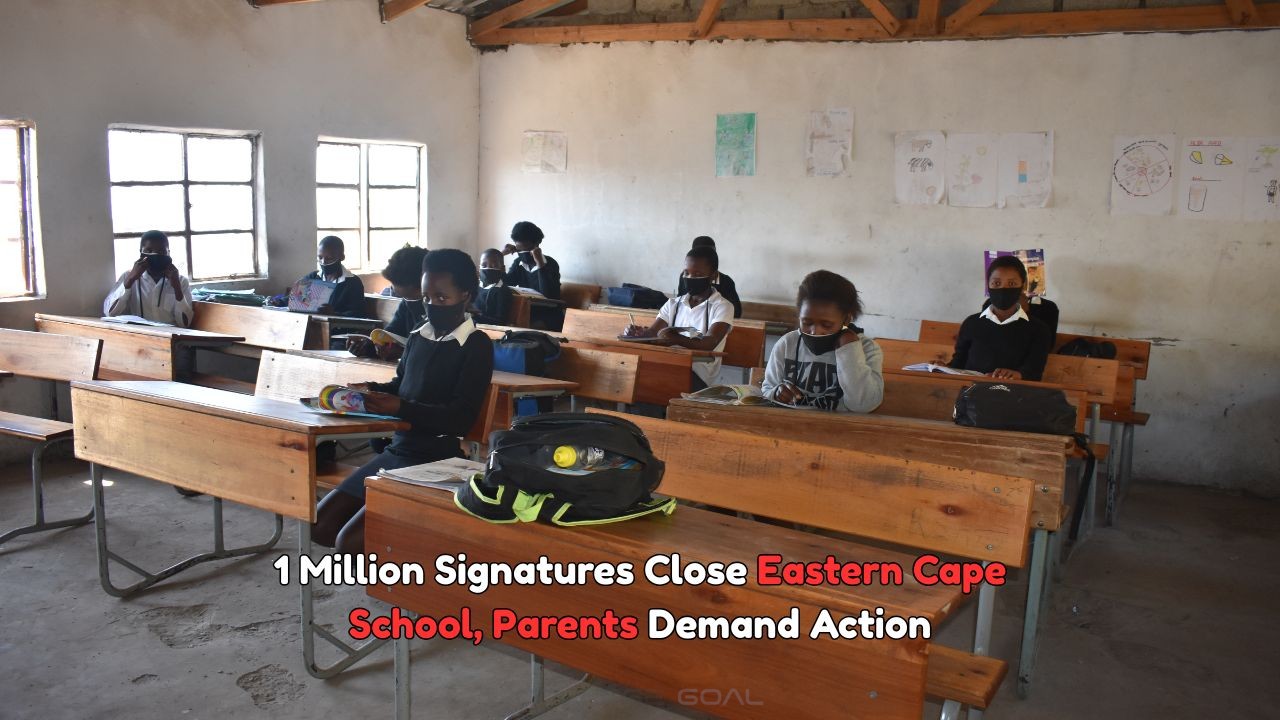
Over 1 Million Call for Justice: Eastern Cape School Closure Fuels National Education Reform Demand: The recent closure of a prominent school in the Eastern Cape has sparked a nationwide outcry, with over a million voices rallying for justice and reform in South Africa’s education system. This pivotal event has highlighted the urgent need for comprehensive changes to address the systemic challenges plaguing the education sector. As communities across the nation unite in their demand for action, the call for reform transcends beyond the borders of the Eastern Cape, impacting the entire country. The closure serves as a stark reminder of the inequalities and infrastructural deficiencies that have long been ignored, urging policymakers to prioritize education reform as a national agenda.
Impact of Eastern Cape School Closure on National Education Reform
The closure of the school in the Eastern Cape has had profound implications, stirring conversations about the state of education in South Africa. This event has not only affected the students and staff directly involved but also prompted a broader discussion on the need for systemic reform. The closure has highlighted the disparities in resource allocation, infrastructure, and access to quality education, which are issues that have persisted across the country for years. As a result, there is a growing demand for government intervention and strategic planning to ensure all students have equal opportunities for learning and development.
 Are You Eligible for the R2,315 Older Persons Grant Starting August 15, 2025? Check with SASSA Now!
- Resource Allocation: The school closure has underscored the need for equitable distribution of resources across provinces.
- Infrastructure Development: Upgrading school facilities and ensuring safe learning environments are critical.
- Teacher Training: Investing in teacher development to improve educational outcomes.
- Curriculum Reform: Adapting the curriculum to meet the needs of a diverse student population.
- Community Engagement: Involving local communities in decision-making processes.
Community Response to Eastern Cape School Closure
The reaction from communities has been one of unity and determination. Parents, educators, and students have come together in protest, demanding immediate action from the government. This collective response signifies a pivotal moment in the fight for educational equity. The closure has galvanized communities to advocate for changes that will not only affect current students but also future generations. The voices of those affected have been amplified through social media campaigns, public demonstrations, and petitions, all aimed at drawing attention to the urgent need for reform.

- Social Media Campaigns
- Public Demonstrations
- Petitions and Advocacy
Government’s Role in Addressing Education Challenges
The South African government plays a crucial role in addressing these educational challenges. Policymakers are being urged to take swift action to address the systemic issues highlighted by the Eastern Cape school closure. Key areas of focus include increasing funding for education, improving teacher training programs, and ensuring that all schools have access to necessary resources. Additionally, there is a call for greater accountability and transparency in how educational funds are allocated and used. The government’s response to these demands will significantly impact the future of South Africa’s education system.

| Challenge | Proposed Solution | Impact | Timeline |
|---|---|---|---|
| Resource Allocation | Equitable funding distribution | Improved access to education | Short-term |
| Infrastructure | School facility upgrades | Safe learning environments | Long-term |
| Teacher Training | Enhanced development programs | Better educational outcomes | Ongoing |
Long-term Implications for South African Education
The closure of the school in the Eastern Cape could serve as a catalyst for long-term change in South Africa’s education system. If addressed properly, the current crisis could lead to significant improvements in educational policy and practice across the country. This situation presents an opportunity for South Africa to reevaluate and revamp its approach to education, ensuring that it meets the needs of all learners and prepares them for a rapidly changing world. The success of these reforms will depend on the commitment of all stakeholders, including government officials, educators, and the community.
- Policy Reevaluation
- Improved Educational Practices
- Stakeholder Commitment
Future Prospects for Education Reform
Looking ahead, the prospects for education reform in South Africa are promising if the current momentum is sustained. With increased awareness and advocacy, there is potential for meaningful change that can address the root causes of the current challenges. The successful implementation of reforms will require collaboration between the government, educational institutions, and community stakeholders. By working together, these groups can create an education system that is equitable, inclusive, and capable of meeting the needs of all students.
- Collaboration between Stakeholders
- Implementation of Reforms
- Inclusive Educational Practices
FAQ Section
What led to the closure of the Eastern Cape school?
The closure was due to infrastructural deficiencies and a lack of resources.
How has the community responded to the closure?
Communities have united in protests and advocacy for education reform.
What are the government’s proposed solutions?
Proposals include equitable resource distribution and infrastructure upgrades.
What are the long-term implications of this closure?
Long-term implications could include significant changes in educational policy.
How can stakeholders contribute to educational reform?
Stakeholders can collaborate to implement reforms and ensure inclusive practices.
How did the closure of schools in the Eastern Cape fuel a demand for national education reform?
The closure of schools in the Eastern Cape prompted over 1 million individuals to call for justice, highlighting systemic issues within the education system. This event served as a catalyst for a nationwide demand for educational reform, with people advocating for improved access to quality education, better resources for schools, and equitable opportunities for all students across the country.
What steps can individuals take to support the call for education reform in light of the Eastern Cape school closure?
Individuals can support the call for education reform by signing petitions, attending rallies or protests, contacting local government officials to express their concerns, volunteering with organizations advocating for education reform, and spreading awareness through social media and other platforms. Additionally, donating to organizations working towards education equity and participating in community discussions on the topic can also make a difference.
How did the school closure in the Eastern Cape fuel demands for national education reform?
The closure of schools in the Eastern Cape has sparked outrage and mobilized over 1 million individuals to call for justice, highlighting the urgent need for comprehensive education reform at a national level. The closure shed light on underlying issues such as inadequate resources, poor infrastructure, and systemic inequalities within the education system, leading to widespread demands for change to ensure all students have access to quality education.
How can individuals show their support for the movement calling for national education reform following the closure of schools in the Eastern Cape?
Individuals can show their support by signing petitions, participating in peaceful protests, sharing information on social media, contacting local government representatives, and getting involved in community organizations advocating for education reform. Every voice matters in pushing for positive change in the education system.
What specific demands are being made for education reform in response to the Eastern Cape school closure?
The demands for education reform include increased government funding for schools, improved infrastructure and resources, better teacher training and support, and greater transparency and accountability in education policies and decision-making. The closure of schools in the Eastern Cape has sparked a nationwide call for comprehensive changes to ensure quality education for all students.
How can individuals support the movement for educational reform in response to the Eastern Cape school closure?
Individuals can show their support for educational reform by signing petitions, participating in peaceful protests, contacting local government officials to express their concerns, and spreading awareness through social media and other platforms. Additionally, donating to organizations advocating for education reform can also make a positive impact.
How can I support the movement for education reform in the Eastern Cape following the school closure?
You can support the movement for education reform in the Eastern Cape by staying informed about the issues, sharing information and updates with your network, participating in peaceful demonstrations or advocacy efforts, contacting local officials to express your concerns, and donating to organizations working towards education reform in the region. By taking action and raising awareness, you can help amplify the calls for justice and change in the education system.
How can individuals support the movement for education reform in response to the Eastern Cape school closure?
Individuals can support the movement for education reform by signing petitions, joining advocacy groups, contacting local government officials, participating in protests or awareness campaigns, and donating to organizations working towards improving education access and quality. Additionally, spreading awareness on social media platforms and engaging in discussions about the importance of education reform can help amplify the call for justice.
How can individuals show support for the call for justice in the Eastern Cape school closure issue?
Individuals can show their support by signing petitions, sharing information on social media, contacting local government officials, participating in peaceful protests or marches, and donating to organizations advocating for education reform in the Eastern Cape and across the nation.
How can individuals support the call for education reform in response to the Eastern Cape school closure?
Individuals can support the call for education reform by signing petitions, participating in peaceful protests, spreading awareness on social media, contacting local government officials to express their concerns, and volunteering with organizations advocating for improved education policies. Additionally, donating to education-focused charities and engaging in discussions with friends and family about the importance of quality education for all can also help drive positive change.
How can individuals support the call for justice and education reform in response to the Eastern Cape school closure?
Individuals can support the call for justice and education reform by signing petitions, participating in peaceful protests, sharing information on social media, reaching out to local representatives, and getting involved with advocacy groups working towards education equality and reform. Every voice and action counts in raising awareness and pushing for change.
How can individuals support the movement for national education reform in response to the Eastern Cape school closure?
Individuals can support the movement for national education reform by signing petitions, attending protests or rallies, contacting local government officials to express their concerns, volunteering with education advocacy organizations, and spreading awareness through social media and conversations with friends and family. Every action, no matter how small, can contribute to the momentum for change.
How can individuals support the movement for education reform in response to the Eastern Cape school closure?
Individuals can support the movement for education reform by signing petitions, attending protests or rallies, contacting local government officials to express their concerns, donating to organizations advocating for education reform, and spreading awareness on social media platforms. Every action, no matter how small, can contribute to the momentum for change.
How can individuals support the movement calling for education reform in response to the Eastern Cape school closure?
Individuals can support the movement by signing petitions, participating in protests or rallies, contacting local government officials to express concerns, donating to organizations advocating for education reform, and spreading awareness on social media platforms. Every voice and action can contribute to the push for positive change in the education system.
How can individuals show their support for the call for justice in the Eastern Cape school closure issue?
Individuals can show their support by signing petitions, participating in peaceful protests, contacting local government officials, spreading awareness on social media, and donating to organizations advocating for education reform.
How can individuals support the movement for education reform in response to the Eastern Cape school closure?
There are several ways individuals can show their support for education reform, such as signing petitions, participating in peaceful protests, contacting local government officials, spreading awareness on social media, and donating to organizations advocating for educational justice. Every small action can contribute to the larger movement for positive change in the education system.
How can individuals support the movement for education reform in response to the Eastern Cape school closures?
Individuals can support the movement for education reform by signing petitions, participating in peaceful protests, engaging with local government officials, spreading awareness on social media, and supporting organizations advocating for improved education policies. Additionally, volunteering at schools, donating educational resources, and mentoring students can make a positive impact on the education system.
How can individuals support the movement for education reform in response to the Eastern Cape school closure?
Individuals can support the movement for education reform by signing petitions, participating in peaceful demonstrations, engaging with local and national government officials, spreading awareness on social media, and supporting organizations dedicated to advocating for quality education for all students. By coming together and raising their voices, individuals can help bring about positive change in the education system.
What steps can individuals take to support the call for justice and national education reform in response to the Eastern Cape school closure?
Individuals can support the cause by signing petitions, participating in peaceful demonstrations, contacting local government representatives, sharing information on social media, volunteering with education advocacy organizations, and staying informed on relevant issues to actively engage in conversations and advocacy efforts.
How can individuals support the movement for education reform in response to the Eastern Cape school closure?
Individuals can support the movement for education reform by signing petitions, participating in protests or demonstrations, contacting local government representatives, sharing information on social media, and donating to organizations working towards education equity and justice. Additionally, staying informed about the issues, engaging in conversations with others, and advocating for systemic changes in education policies can all contribute to the push for reform.
How can individuals support the movement for education reform in the Eastern Cape following the school closures?
Individuals can support the movement for education reform by signing petitions, participating in peaceful protests, contacting local government officials, and spreading awareness on social media platforms. Additionally, volunteering at local schools, donating educational resources, and mentoring students can also make a positive impact in the community.
How are the affected students and communities rallying for their cause following the school closures in Eastern Cape?
In response to the school closures in Eastern Cape, the affected students and communities have organized protests, petitions, and campaigns to demand justice and call for national education reform. They have garnered support from over 1 million individuals who are advocating for equitable access to quality education for all students in South Africa.
How did the closure of schools in the Eastern Cape fuel the demand for national education reform?
The closure of schools in the Eastern Cape highlighted the systemic issues within the education system, such as inadequate infrastructure, teacher shortages, and poor educational outcomes. This spurred over 1 million people to call for justice and demand national education reform to address these longstanding issues and ensure quality education for all students across South Africa.
How can individuals support the call for education reform in response to the closure of schools in the Eastern Cape?
Individuals can support the call for education reform by signing petitions, joining advocacy groups, contacting local government officials, participating in peaceful protests, and raising awareness on social media platforms. Every voice matters in demanding justice and quality education for all students.
How can individuals support the demand for national education reform in light of the Eastern Cape school closure issue?
There are several ways to support the demand for national education reform, such as signing petitions, joining advocacy groups, contacting local government representatives, participating in protests or demonstrations, and spreading awareness on social media platforms. Additionally, individuals can engage in discussions with friends, family, and colleagues about the importance of quality education for all students to help build momentum for reform efforts.
How can individuals show their support for the call for justice and education reform following the closure of schools in the Eastern Cape?
Individuals can show their support by signing petitions, participating in peaceful demonstrations, contacting government officials to express their concerns, sharing information on social media platforms, and donating to organizations advocating for education reform. Every action, no matter how small, can contribute to the collective demand for change.
How can individuals show their support for the movement calling for education reform following the closure of schools in the Eastern Cape?
Individuals can show their support for the movement by signing petitions, participating in peaceful protests or demonstrations, engaging in discussions with local education officials and policymakers, sharing information on social media to raise awareness, and supporting organizations advocating for education reform. Additionally, staying informed on relevant issues and advocating for equitable access to quality education for all students can also contribute to the cause.
How are the affected students and communities being supported following the closure of schools in the Eastern Cape?
In response to the closure of schools in the Eastern Cape, efforts are being made to support affected students and communities. This may include providing alternative education options, counseling services, and working with local organizations to address the educational needs of those impacted by the closures.
How can individuals show their support for the movement demanding education reform following the closure of schools in the Eastern Cape?
There are several ways individuals can show their support for the movement demanding education reform. Some options include signing petitions, joining protests or demonstrations, contacting local government officials to express concerns, sharing information on social media to raise awareness, and volunteering with organizations working towards education reform. Every action, no matter how small, can make a difference in advocating for positive change in the education system.

How can individuals show support for the movement calling for education reform following the closure of schools in the Eastern Cape?
Individuals can show support by signing petitions, joining peaceful protests, contacting local government officials, spreading awareness on social media, or volunteering with organizations working towards education reform. Additionally, donating to relevant causes and advocating for policy changes can also make a positive impact.
How are the affected students and communities responding to the closure of schools in the Eastern Cape?
The affected students and communities are expressing their concerns and demands for justice through various means such as protests, petitions, and engaging with local and national education authorities. They are calling for transparency, accountability, and immediate action to address the issues leading to the closure of schools and are advocating for broader education reform in the country.
How can I support the movement for education reform in the Eastern Cape and beyond?
There are several ways you can support the call for justice and education reform, such as signing petitions, participating in peaceful protests, contacting local representatives, and spreading awareness on social media. Additionally, you can donate to organizations dedicated to advocating for quality education for all students. Your support can help amplify the voices of those demanding change and contribute to a brighter future for students in the Eastern Cape and across the nation.
How have the recent school closures in the Eastern Cape fueled demands for national education reform?
The closure of schools in the Eastern Cape has sparked a nationwide call for justice and reform in the education sector. The frustration and outcry over these closures have highlighted the broader issues of inequality, lack of resources, and inadequate infrastructure in schools across the country. As over 1 million people have joined the demand for justice, the focus has shifted towards addressing systemic problems and advocating for comprehensive education reform at a national level.
How can individuals support the movement demanding education reform following the closure of schools in the Eastern Cape?
Individuals can support the movement by signing petitions, participating in protests, contacting local representatives, sharing information on social media, donating to organizations advocating for education reform, and volunteering with educational initiatives in their communities. Every small action can contribute to the collective effort for positive change in the education system.
How can individuals support the movement for education reform in South Africa following the closure of schools in the Eastern Cape?
Individuals can support the movement for education reform by signing petitions, participating in peaceful protests, volunteering with education-focused organizations, contacting local government officials to express concerns, and advocating for policy changes that prioritize quality education for all students. Additionally, spreading awareness on social media and discussing the issue with friends and family can help build momentum for change.
How can individuals show their support for the call to reform the education system in South Africa following the closure of schools in the Eastern Cape?
You can show your support by signing petitions, participating in peaceful protests, contacting local government officials, and spreading awareness on social media platforms using relevant hashtags. Additionally, you can volunteer or donate to organizations working towards education reform in the country.
How can individuals show their support for the call for justice and national education reform in response to the Eastern Cape school closure?
Individuals can show their support by signing petitions, attending rallies or protests, contacting local government officials, sharing information on social media, volunteering with organizations advocating for education reform, and staying informed on the issue to continue spreading awareness.
How did the closure of schools in the Eastern Cape fuel demands for national education reform?
The closure of schools in the Eastern Cape likely raised concerns about the quality of education, access to learning opportunities, and overall educational infrastructure in the region. This situation may have highlighted systemic issues that are not unique to the Eastern Cape but resonate with challenges faced in education systems across the country. As a result, the call for justice and demand for education reform could have been amplified by the closure of schools in the Eastern Cape, prompting a nationwide conversation about improving education for all students in South Africa.
How can individuals support the call for justice and national education reform in light of the Eastern Cape school closure?
Individuals can support the cause by signing petitions, spreading awareness on social media, participating in peaceful demonstrations, contacting government officials, and supporting organizations advocating for education reform. By amplifying the voices of those affected and demanding change, individuals can contribute to the momentum for justice and reform in the education system.
How can concerned individuals support the movement for national education reform following the closure of schools in the Eastern Cape?
There are several ways individuals can show their support for the movement, such as signing petitions, attending protests or rallies, contacting local government officials to express their concerns, donating to organizations advocating for education reform, and spreading awareness on social media. Every action, no matter how small, can make a difference in pushing for necessary changes in the education system.
How did the Eastern Cape school closure ignite a call for national education reform?
The closure of schools in the Eastern Cape sparked outrage and mobilized over 1 million people to demand justice and reform in the education system. This incident highlighted the urgent need for improved educational resources, infrastructure, and policies, leading to a broader movement calling for comprehensive changes in the national education sector.
How can individuals show their support for the movement calling for national education reform following the closure of schools in the Eastern Cape?
Individuals can show their support by signing petitions, joining advocacy groups or organizations dedicated to education reform, participating in peaceful protests or demonstrations, writing to government officials, and spreading awareness through social media and other platforms. Every voice counts in the fight for a better education system.
How can individuals support the call for justice and education reform following the school closure in the Eastern Cape?
Individuals can support the movement by signing petitions, spreading awareness on social media, contacting local government officials, participating in peaceful protests, and donating to organizations advocating for education reform. Every voice matters in demanding justice and change.
How can individuals support the movement for national education reform in response to school closures in the Eastern Cape?
Individuals can support the movement for national education reform by signing petitions, participating in protests or rallies, contacting local government officials, volunteering with education advocacy groups, and spreading awareness on social media platforms. Additionally, donating to organizations working towards education reform and supporting initiatives that prioritize equitable access to quality education can also make a difference.
How did the closure of schools in the Eastern Cape spark a national demand for education reform?
The closure of schools in the Eastern Cape highlighted the systemic challenges and inequalities within the education system, prompting over 1 million people to call for justice and demand comprehensive education reform across the country. This event served as a catalyst for increased awareness and advocacy for improved access to quality education for all students in South Africa.
How can individuals support the call for education reform in response to the Eastern Cape school closure?
Individuals can support the call for education reform by signing petitions, joining advocacy groups, contacting local representatives, participating in peaceful protests, and spreading awareness through social media and community engagement. Every small action contributes to the collective voice demanding justice and change in the education system.
How can individuals show their support for the call for justice in the Eastern Cape school closure issue?
Individuals can show their support by signing petitions, joining peaceful protests, sharing information on social media to raise awareness, and contacting local government officials to express their concerns and demand action for education reform. Additionally, volunteering or donating to organizations working towards educational equity can also make a meaningful impact.
How can individuals support the movement for education reform in response to the Eastern Cape school closure?
Individuals can support the movement for education reform by signing petitions, participating in peaceful protests, contacting local government officials to advocate for change, spreading awareness on social media, and donating to organizations working towards improving education access and quality.
How are students and communities affected by the closure of schools in the Eastern Cape?
The closure of schools in the Eastern Cape has significant implications for students and communities, disrupting access to education, limiting opportunities for learning and growth, and creating uncertainty and instability within the affected areas. Students may have to travel long distances to access alternative schools, leading to increased transportation costs and potential safety concerns. Communities may also experience economic repercussions due to the closure of schools, as education is a key driver of social development and economic progress.
How can individuals show their support for the movement calling for national education reform in response to the closure of schools in Eastern Cape?
Individuals can show their support by signing petitions, participating in peaceful protests or demonstrations, contacting local government officials or education authorities, sharing information on social media platforms, and engaging in constructive dialogues with their communities about the importance of accessible and quality education for all students.
How can individuals show their support for the movement demanding education reform following the closure of schools in the Eastern Cape?
Individuals can show their support by signing petitions, participating in peaceful protests, contacting local government officials to express their concerns, and spreading awareness on social media platforms using relevant hashtags. Additionally, they can volunteer or donate to organizations working towards education reform in the region.
How can individuals show support for the cause of education reform in light of the Eastern Cape school closure?
Individuals can show support for education reform by signing petitions, participating in peaceful protests, engaging in discussions on social media platforms, contacting local government representatives, and supporting organizations advocating for educational equity and reform. Every voice matters in advocating for a better education system.
How can individuals support the call for justice and education reform sparked by the Eastern Cape school closure?
Individuals can show support by signing petitions, attending protests or rallies, contacting local government officials, spreading awareness on social media, and engaging in discussions with their community about the importance of education reform. Additionally, donating to organizations or initiatives working towards education equity and justice can also make a difference.
How can individuals show their support for the call for justice in the Eastern Cape school closure issue?
Individuals can show their support by signing petitions, joining advocacy groups, participating in peaceful protests, contacting local government officials, and spreading awareness on social media platforms. Every action, no matter how small, can contribute to the momentum for national education reform.
How are the demands for national education reform being communicated to policymakers following the closure of schools in the Eastern Cape?
The demands for national education reform, spurred by the closure of schools in the Eastern Cape and supported by over 1 million voices, are being communicated to policymakers through petitions, advocacy campaigns, public demonstrations, and engagement with relevant government officials. Various stakeholders, including teachers, students, parents, and activists, are working together to ensure that these demands are heard and acted upon by those in positions of authority.
How did the closure of schools in the Eastern Cape fuel demands for national education reform?
The closure of schools in the Eastern Cape highlighted systemic issues within the education system, such as inadequate infrastructure, teacher shortages, and poor quality of education. This sparked a national conversation about the need for comprehensive education reform to address these challenges and ensure all students have access to quality education.
How can individuals support the movement for education reform in response to the Eastern Cape school closure?
There are several ways to show support for the education reform movement, such as signing petitions, attending rallies or protests, contacting local government officials to express concerns, volunteering with education advocacy organizations, and spreading awareness on social media platforms. Every action, no matter how small, can contribute to the momentum for change.
How can individuals show their support for the movement demanding education reform following the school closure in the Eastern Cape?
Individuals can show their support for the movement by signing petitions, participating in protests or marches, contacting local government officials, spreading awareness on social media, and volunteering with organizations working towards education reform. Every action counts towards bringing about positive change in the education system.
How can individuals support the movement for education reform in response to the Eastern Cape school closure?
Individuals can support the movement for education reform by signing petitions, attending rallies and protests, contacting local government officials, advocating for policy change, and donating to organizations working towards improving education access and quality. Additionally, sharing information and raising awareness about the issue on social media platforms can help amplify voices and garner support for the cause.
How can individuals support the movement for education reform following the closure of schools in the Eastern Cape?
Individuals can support the movement for education reform by signing petitions, participating in peaceful protests, contacting local government officials, donating to organizations advocating for better education policies, and spreading awareness on social media platforms. Every small action can contribute to pushing for positive change in the education system.
How can individuals support the call for justice and education reform in response to the Eastern Cape school closure?
Individuals can support the call for justice and education reform by signing petitions, sharing information on social media to raise awareness, contacting local government officials to express their concerns, participating in peaceful protests or demonstrations, and donating to organizations working towards education equality and reform. Every voice and effort counts in advocating for positive change in the education system.
How are the students and communities in the Eastern Cape affected by the school closures?

The school closures in the Eastern Cape have a profound impact on students and communities, leading to disruptions in education, increased travel distances to access schools, overcrowding in remaining schools, and potential loss of community resources and support systems.