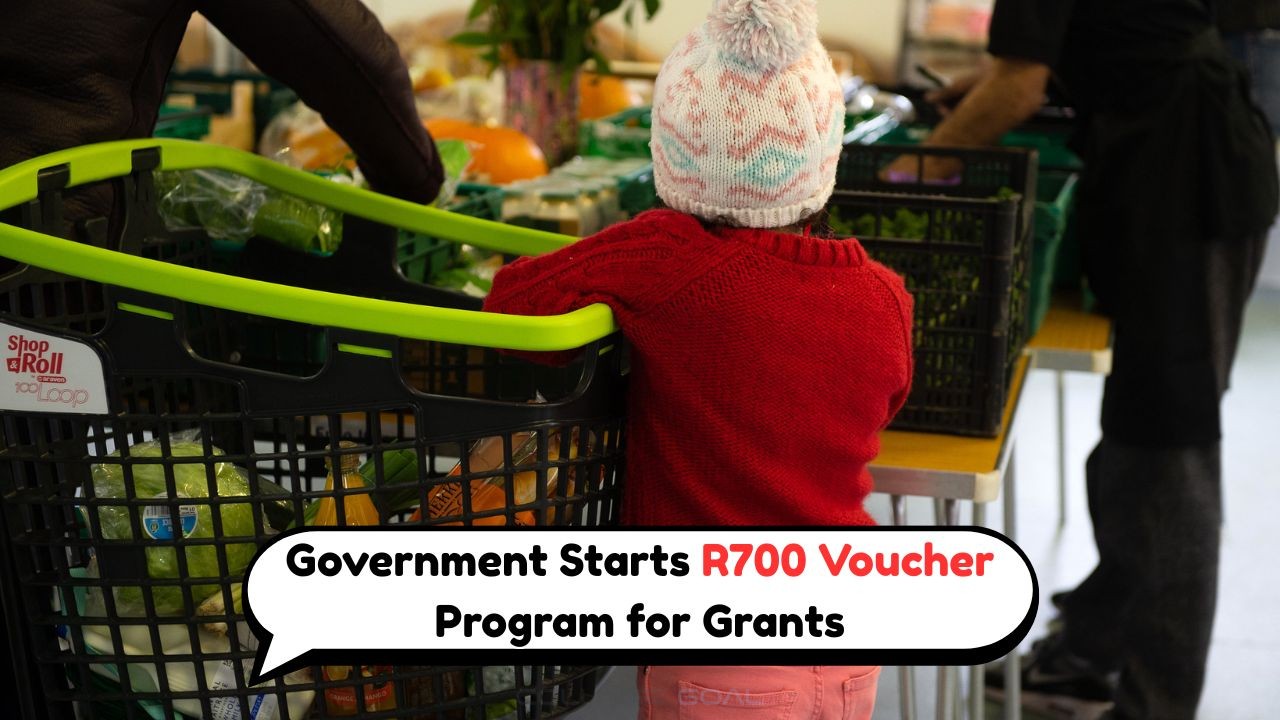
August Grocery Crisis Hits:
Impact of Rising Bread and Cooking Oil Prices on South African Households
August grocery crisis hits: As South Africa faces yet another economic challenge, the recent surge in bread and cooking oil prices is forcing families across the nation to reassess their monthly budgets. This price hike, occurring in August, has become a significant concern for both urban and rural communities. The increased cost of essential groceries such as bread and cooking oil is not just inflating household expenses but is also reshaping the way families plan their meals and manage their daily lives. With the rising cost of living, households are under pressure to find new strategies to stretch their rands further, balancing nutritional needs with financial constraints.
 SASSA Beneficiaries: Secure Your R700 Grocery Voucher Now – Registration Deadline Approaching!
- Steep increase in staple food prices
- Impact on low-income families
- Adjustment in household budgets
- Exploration of affordable alternatives
- Community support initiatives
Table of Price Changes:
 Free Transport Payout Confirmed for August 1: R870 Subsidy Awaits Eligible School Children
| Month | Bread Price (ZAR) | Cooking Oil Price (ZAR) | Percentage Increase |
|---|---|---|---|
| June | 12 | 30 | 5% |
| July | 13 | 32 | 8% |
| August | 15 | 35 | 15% |
| Expected September | 16 | 37 | 5% |
Strategies for Coping with the August Grocery Crisis
Amidst the rising costs, families are seeking various methods to mitigate the August grocery crisis’s impact on their daily lives. One of the primary strategies includes bulk buying, which allows households to purchase essential items at discounted rates, thereby reducing overall expenses. Additionally, many are turning to local markets where produce is often fresher and more affordable compared to major retail chains. Another effective approach is meal planning, which ensures that families can make the most out of available resources and minimize food waste.

- Buying in bulk to save costs
- Frequenting local markets
- Effective meal planning
Table of Cost-Saving Strategies:
| Strategy | Potential Savings (ZAR/month) | Household Adoption Rate | Effectiveness |
|---|---|---|---|
| Bulk Buying | 200 | 65% | High |
| Local Markets | 150 | 75% | Medium |
| Meal Planning | 100 | 80% | High |
Government and Community Responses to Food Price Increases
In response to the August grocery crisis, the South African government, along with various community organizations, is stepping in to offer relief. Governmental measures include temporary subsidies on staple foods and increased social grants to assist low-income families. Meanwhile, community food banks are gaining traction, providing essential groceries to those in need. These initiatives are crucial in ensuring that no family goes hungry during this challenging period.
- Introduction of government subsidies
- Increased social grants
- Expansion of community food banks
- Public awareness campaigns
Table of Government Initiatives:
| Initiative | Start Date | Target Beneficiaries | Expected Impact |
|---|---|---|---|
| Food Subsidies | August | Low-income families | Significant |
| Social Grants Increase | September | Pensioners and unemployed | Moderate |
| Community Food Banks | Ongoing | All affected families | High |
Exploring Affordable Alternatives to Bread and Cooking Oil
With the soaring prices of bread and cooking oil, many South Africans are exploring alternative options to maintain a balanced diet without breaking the bank. For instance, instead of bread, some families are turning to maize meal and rice, which are more affordable and equally nutritious. Similarly, olive oil and sunflower oil are being considered as substitutes for traditional cooking oils, offering both health benefits and cost-effectiveness.
- Maize meal as a bread substitute
- Rice as an alternative staple
- Switching to olive or sunflower oil
- Incorporating seasonal vegetables
Table of Alternative Food Options:
| Food Item | Alternative | Cost Comparison |
|---|---|---|
| Bread | Maize Meal | Cheaper |
| Bread | Rice | Similar |
| Cooking Oil | Olive Oil | Higher |
| Cooking Oil | Sunflower Oil | Similar |
Long-Term Solutions for Food Security in South Africa
Addressing the root causes of the August grocery crisis requires long-term solutions aimed at enhancing food security in South Africa. Initiatives such as supporting local agriculture, investing in sustainable farming practices, and promoting home gardening can play a pivotal role in stabilizing food prices. These efforts not only help reduce dependency on imports but also empower communities to become self-sufficient.
FAQ Section:
- What caused the August grocery crisis? The crisis was primarily driven by supply chain disruptions and inflationary pressures.
- How can families cope with rising prices? Families can adopt strategies like bulk buying, meal planning, and exploring affordable alternatives.
- What are the government’s plans to address the issue? The government plans to introduce food subsidies and increase social grants.
- Are there any community support initiatives? Yes, community food banks and public awareness campaigns are actively supporting those in need.
- What long-term solutions are being considered? Long-term solutions include supporting local agriculture and sustainable farming practices.
Table of Long-Term Solutions:
| Solution | Implementation Timeline | Expected Outcome | Challenges |
|---|---|---|---|
| Local Agriculture Support | 1-2 years | Increased food security | Funding |
| Sustainable Farming | 3-5 years | Environmental benefits | Adoption rate |
| Home Gardening | Ongoing | Community empowerment | Training resources |
Despite the current challenges, the resilience and adaptability of South Africans are evident in the proactive measures being taken to overcome the August grocery crisis.
The Future of Food Prices in South Africa
As the August grocery crisis continues to unfold, experts are keeping a close eye on future trends.
The possibility of further price hikes remains a concern, necessitating ongoing vigilance and strategic planning from both the government and individuals. The focus is not just on immediate relief but also on sustainable solutions that can ensure food prices remain stable in the long term.
The country’s reliance on imports for certain food items could be reduced through more robust local production.
Encouragingly, there are signs of renewed interest in agricultural innovation and investment, which could lead to more resilient food systems.
Ultimately, the goal is to create a sustainable and secure food environment.
This involves collaboration between government entities, private sectors, and communities to build a resilient food supply chain that can withstand future economic shocks.
Through these concerted efforts, South Africa can navigate the current crisis.
The focus remains on ensuring that all citizens have access to affordable and nutritious food, regardless of economic challenges.
Stay informed and prepared as the situation evolves.
By keeping abreast of developments, South Africans can better plan and adapt to the changing landscape of food pricing.
How can families mitigate the impact of soaring bread and cooking oil prices during the August grocery crisis?
Families can consider various strategies to navigate the impact of rising bread and cooking oil prices during the August grocery crisis. Some options include:
1. **Meal Planning**: Creating a weekly meal plan can help families make efficient use of ingredients and reduce food waste.
2. **Budgeting**: Reviewing and adjusting the household budget to allocate more funds towards essential food items can help manage the impact of price increases.
3. **Exploring Alternatives**: Families can explore alternative sources for bread and cooking oil, such as local bakeries or bulk purchasing options, to potentially find more affordable options.
4. **DIY Options**: Consider making bread or cooking oil at home as a cost-effective alternative to store-bought products.
5. **Seeking Discounts and Coupons**: Keeping an eye out for discounts, sales, and coupons can help reduce costs when purchasing bread and cooking oil.
6. **Evaluating Substitutes**: Considering using different types of bread or cooking oils that are more budget-friendly can help offset the impact of rising prices.
By implementing these strategies, families can better navigate the challenges posed by the August grocery crisis and make informed decisions to support their budgets.
How can families mitigate the impact of soaring bread and cooking oil prices on their budgets during the August grocery crisis?
Families can consider several strategies to navigate the rising prices during the August grocery crisis. These may include meal planning to reduce food waste, opting for more cost-effective alternatives, buying in bulk when possible, utilizing coupons and loyalty programs, exploring local farmer's markets or discount stores, and considering homemade options for bread and cooking oil. Additionally, it may be beneficial to diversify the sources of nutrients by incorporating more affordable and nutritious ingredients such as legumes, grains, seasonal fruits and vegetables into meals.
How can families cope with the rising prices of bread and cooking oil during the August grocery crisis?
Families can consider a few strategies to cope with rising prices, such as meal planning to reduce food waste, buying in bulk to save money, opting for store brands or generic alternatives, using coupons or taking advantage of sales, exploring local farmers markets for potentially lower prices, and considering alternative sources of protein or fats to reduce reliance on expensive ingredients. Additionally, families can explore cooking from scratch more often, which can be more cost-effective than buying pre-made or processed foods.
How can families cope with the rising prices of bread and cooking oil during the August grocery crisis?
To cope with the rising prices of essential items like bread and cooking oil, families can consider several strategies, such as meal planning to reduce food waste, seeking out sales and discounts, buying in bulk, opting for generic or store-brand products, exploring alternative sources for ingredients, and considering homemade options when possible. Additionally, it may be helpful to reassess grocery budgets, prioritize essential items, and look for community resources or assistance programs that can provide support during challenging times.
How can families cope with the rising bread and cooking oil prices during the August grocery crisis?
Families can consider various strategies to cope with the rising prices, such as meal planning to minimize waste, buying in bulk or taking advantage of sales, exploring alternative sources for ingredients, using substitutes when possible, and looking for discounts or coupons to save on grocery expenses. Additionally, considering growing some produce at home or participating in community gardens can also help reduce costs.
How can families cope with the rising grocery prices during the August grocery crisis?
Families can cope with rising grocery prices during the August grocery crisis by creating a budget, meal planning to reduce food waste, seeking out discounts and coupons, buying in bulk, exploring alternative shopping options such as buying from local markets or co-ops, and considering growing their own produce if possible. Additionally, choosing cheaper protein sources, reducing consumption of processed foods, and cooking more meals at home can also help alleviate the financial strain of increased grocery costs.
How can families cope with the rising prices of bread and cooking oil during the August grocery crisis?
Families can consider several strategies to cope with rising prices, such as meal planning to reduce food waste, opting for budget-friendly alternatives, buying in bulk when possible, utilizing coupons and discounts, exploring local farmer's markets for affordable produce, and considering cooking from scratch to save on pre-packaged items. Additionally, it may be helpful to revisit and adjust the household budget to accommodate the increased expenses for essential items.
How can families mitigate the impact of soaring bread and cooking oil prices during the August grocery crisis?
Families can consider several strategies to mitigate the impact of rising prices during the grocery crisis. Some options include meal planning to reduce food waste, buying in bulk when possible, exploring alternative sources for ingredients, such as local markets or online retailers, and considering substituting expensive items with more affordable alternatives. Additionally, looking out for sales, using coupons, and exploring homemade options can also help manage grocery costs during this challenging time.
How can families cope with the rising prices of bread and cooking oil during the August grocery crisis?
Families can cope with rising prices by exploring alternative, cost-effective ingredients, buying in bulk when possible, utilizing coupons and discounts, meal planning to reduce waste, and considering homemade options like baking bread or making homemade cooking oil. Additionally, shopping at discount stores, farmer's markets, and buying generic brands can also help save money during this challenging time.
How can families save money on groceries during a price crisis?
Families can save money on groceries during a price crisis by planning meals ahead, creating shopping lists based on sales and discounts, buying in bulk when possible, opting for store brands instead of name brands, utilizing coupons and cashback apps, and considering alternative sources for affordable ingredients such as local markets or buying in-season produce. Additionally, exploring budget-friendly recipes and cooking meals at home rather than dining out can help cut costs during a grocery crisis.
How can families save money on groceries during a price crisis?
Families can save money on groceries during a price crisis by making a detailed shopping list, comparing prices at different stores, buying in bulk when possible, using coupons and discounts, opting for generic or store brands, meal planning to reduce food waste, and considering alternative ingredients or recipes that are more budget-friendly.
How can families mitigate the impact of rising bread and cooking oil prices on their budgets?
Families can consider a few strategies to manage the impact of soaring prices on essential grocery items. Some options include buying in bulk, meal planning to reduce food waste, opting for store brands instead of name brands, exploring discount stores or farmer's markets for better deals, using coupons or loyalty programs, and considering alternative ingredients or recipes that are more budget-friendly. Additionally, keeping an eye on sales and promotions can help stretch the grocery budget further during times of price hikes.
How can families mitigate the impact of rising bread and cooking oil prices on their budgets?
Families can consider several strategies to help offset the impact of rising prices, such as meal planning to reduce food waste, choosing store brands or generic products, buying in bulk for items that have a longer shelf life, utilizing coupons and discounts, exploring alternative sources for bread and cooking oil like local bakeries or farmers markets, and considering making homemade bread and using more cost-effective cooking oils. Additionally, being mindful of portion sizes and incorporating more plant-based meals into their diet can also help manage grocery expenses.
What are some tips for families to navigate the rising prices of bread and cooking oil during the August grocery crisis?
To help navigate the rising prices during the August grocery crisis, consider the following tips:
1. Look for budget-friendly alternatives or store brands.
2. Buy in bulk when possible to save money in the long run.
3. Plan meals ahead of time to avoid impulse purchases.
4. Use coupons and take advantage of sales to maximize savings.
5. Consider making homemade bread or cooking oil to save on costs.
6. Explore local farmer's markets or discount stores for better deals.
7. Prioritize essential items and cut back on non-essential purchases.
8. Consider joining a food co-op or community sharing program for cost-effective options.
9. Opt for plant-based alternatives to meat or dairy products, which can be more affordable.
10. Utilize pantry staples creatively to stretch your meals and reduce the need for additional ingredients.
What are some cost-effective alternatives to cooking oil that can be used during a grocery crisis?
During a grocery crisis with soaring cooking oil prices, you can consider using alternatives such as vegetable broth, butter, coconut oil, or even applesauce in baking recipes. Additionally, you can explore using non-stick cooking sprays or invest in an air fryer to reduce the amount of oil needed for cooking.
How can families cope with the rising prices of bread and cooking oil during the August grocery crisis?
Families can consider various strategies to cope with rising prices, such as meal planning to reduce food waste, opting for store brands or bulk purchases, utilizing coupons and discounts, exploring alternative sources for affordable ingredients, and seeking out local food assistance programs or community resources for support. Additionally, adapting recipes to use less expensive ingredients or exploring plant-based meal options can also help alleviate the impact of soaring prices on household budgets.
What are some tips for families to cope with the rising bread and cooking oil prices during the August grocery crisis?
Some tips for families to cope with the rising bread and cooking oil prices during the August grocery crisis include:
1. Create a meal plan to make the most of the ingredients you have.
2. Look for discounts, coupons, and sales when shopping for groceries.
3. Consider buying generic or store-brand options instead of name brands.
4. Explore alternative sources for bread and cooking oil, such as local bakeries or bulk stores.
5. Substitute expensive ingredients with more affordable alternatives in your recipes.
6. Buy in bulk to take advantage of lower prices per unit.
7. Consider growing your own herbs or vegetables to reduce grocery costs.
8. Use less oil in your cooking to make it last longer.
9. Compare prices at different stores and choose the most cost-effective option.
10. Consider meal prepping to reduce food waste and save money in the long run.
How can families cope with the rising prices of essential grocery items like bread and cooking oil during the August grocery crisis?
Families can consider various strategies to cope with rising prices, such as meal planning to minimize waste, opting for cheaper alternatives, buying in bulk when possible, utilizing coupons and discounts, shopping at discount stores or farmer's markets, and exploring community resources like food banks or assistance programs. Additionally, families can consider reducing consumption of items with soaring prices or finding creative ways to stretch their food budgets, such as cooking more meals at home or growing their own produce.
How can families mitigate the impact of soaring bread and cooking oil prices during the August grocery crisis?
Families can consider several strategies to mitigate the impact of rising prices, such as meal planning to reduce food waste, buying in bulk to take advantage of discounts, exploring alternative sources for staple items, using coupons and discounts, and considering homemade alternatives for bread and cooking oil. Additionally, exploring local farmers' markets or community-supported agriculture (CSA) programs for fresh produce and ingredients can also help families save on grocery costs during this challenging time.
How can families save money on groceries during a grocery crisis with rising prices?
Families can save money on groceries during a crisis by planning meals ahead, making a grocery list, buying in bulk, using coupons or discounts, opting for store brands, shopping at cheaper supermarkets, buying seasonal produce, and considering alternative sources of protein and fats. Additionally, reducing food waste by repurposing leftovers and avoiding impulse purchases can also help save money during tough times.
How can families cope with the rising prices of bread and cooking oil during the August grocery crisis?
Families can consider several strategies to cope with rising prices, such as meal planning to reduce food waste, buying in bulk when possible, exploring alternative sources for affordable ingredients, utilizing coupons and discounts, and considering homemade alternatives to store-bought items. Additionally, exploring local markets or co-ops for better deals and prioritizing essential items can also help families navigate the impact of soaring prices on their budgets.
How can families mitigate the impact of soaring bread and cooking oil prices during the August grocery crisis?
Families can consider several strategies to navigate the rising prices, such as meal planning to make the most of ingredients on hand, buying in bulk when possible, exploring cheaper alternatives, utilizing coupons and discounts, and seeking out local food banks or community resources for assistance. Additionally, prioritizing essential items and cutting back on non-essential purchases can help manage budgets during this challenging time.
How can families cope with the rising prices of bread and cooking oil during the August grocery crisis?
Families can consider various strategies to cope with rising prices, such as meal planning to reduce food waste, opting for store brands or generic alternatives, buying in bulk to save money in the long run, using coupons or taking advantage of sales, exploring local farmers' markets for fresh produce, and considering cooking more meals at home instead of dining out. Additionally, comparing prices at different stores and being mindful of portion sizes can also help stretch the grocery budget during this challenging time.
What are some alternative cooking oils that families can consider to save money during the grocery crisis?
Families can consider using alternative cooking oils such as sunflower oil, canola oil, or vegetable oil as more budget-friendly options compared to olive oil or specialty oils.
How can families save money on groceries during a time of rising prices?
Families can save money on groceries during times of rising prices by meal planning, creating a shopping list, buying in bulk, utilizing coupons and discounts, opting for store brands, shopping at discount or wholesale stores, buying seasonal produce, and considering alternative sources of protein. Additionally, reducing food waste by storing and using leftovers effectively can help stretch the grocery budget further.
How can families cope with the rising prices of bread and cooking oil during the August grocery crisis?
Families can consider several strategies to cope with rising prices, such as meal planning to avoid food waste, buying in bulk to save money in the long run, exploring alternative sources for ingredients, utilizing coupons and discounts, and considering homemade options to reduce costs. Additionally, comparing prices at different stores and shopping during sales can also help stretch the grocery budget further.
How can families cope with the rising prices of essential groceries like bread and cooking oil?
Families can cope with the rising prices by exploring alternative options such as buying in bulk, shopping at discount stores, utilizing coupons and loyalty programs, meal planning to reduce waste, opting for generic or store brands, and considering homemade alternatives. Additionally, it may be helpful to reassess and adjust the overall budget to accommodate the increased costs of essential groceries.
What are some tips for managing grocery expenses during a period of rising prices?
To manage grocery expenses during a period of rising prices, consider creating a detailed budget, planning meals ahead of time, making a shopping list and sticking to it, buying items in bulk when possible, looking for discounts and coupons, exploring alternative stores or brands, and considering cooking from scratch instead of buying pre-packaged meals. Additionally, you can focus on purchasing items that are in season and exploring local farmer's markets for potentially lower prices on fresh produce.
How can families cope with the rising prices of bread and cooking oil during the grocery crisis in August?
Families can cope with rising prices by exploring alternative sources for purchasing groceries, such as shopping at discount stores, using coupons, meal planning to avoid food waste, buying in bulk, and considering more affordable substitutes for expensive items. Additionally, focusing on cooking from scratch with basic ingredients can help save money in the long run.
How can families cope with the rising prices of bread and cooking oil during the August grocery crisis?
Families can consider several strategies to navigate the rising prices of essential items like bread and cooking oil. Some options include meal planning to avoid food waste, buying in bulk to take advantage of discounts, seeking out cheaper alternatives or store brands, utilizing coupons and loyalty programs, exploring local farmer's markets for fresh produce at potentially lower prices, and considering homemade alternatives for items like bread or cooking oil. Additionally, being mindful of portion sizes and incorporating more plant-based meals can also help stretch the grocery budget further.
How can families save money on groceries during a grocery crisis?
Families can save money on groceries during a crisis by meal planning, buying in bulk, utilizing coupons, shopping at discount stores, opting for generic brands, buying seasonal produce, and considering alternative protein sources like beans and lentils. Additionally, reducing food waste by using leftovers creatively can also help stretch the grocery budget.
How can families navigate the rising prices of bread and cooking oil during the August grocery crisis?
Families can consider several strategies to manage the impact of soaring prices on essential items like bread and cooking oil. These may include meal planning to reduce waste, seeking out sales and discounts, buying in bulk where possible, exploring alternative sources for these products, such as local markets or online retailers, and considering homemade options as substitutes. Additionally, prioritizing needs over wants and adjusting spending in other areas of the budget can help alleviate the financial strain caused by rising grocery costs.
How can families cope with the rising prices of bread and cooking oil during the August grocery crisis?
To cope with the rising prices of essential items like bread and cooking oil, families can consider several strategies such as meal planning to avoid food waste, buying in bulk to take advantage of discounts, exploring cheaper alternative ingredients, utilizing coupons and cashback offers, shopping at discount stores or farmers' markets, and considering homemade options like baking bread or making homemade cooking oil. Additionally, exploring community resources such as food banks or assistance programs can also provide support during difficult times.
How can families cope with the rising bread and cooking oil prices during the August grocery crisis?
Families can consider various strategies to cope with rising prices, such as meal planning to reduce food waste, opting for cheaper alternatives or store brands, buying in bulk when possible, utilizing coupons and discounts, exploring local farmers markets or co-ops for affordable produce, and considering homemade alternatives to store-bought products. It may also be helpful to revisit and adjust the household budget to accommodate the increased costs of essential items.
How can families cope with the rising bread and cooking oil prices during the August grocery crisis?
Families can cope with the rising prices by exploring alternative options such as shopping at discount or bulk stores, buying store-brand products, using coupons or loyalty programs, meal planning to minimize food waste, and considering homemade alternatives like baking bread or making cooking oil at home. Additionally, prioritizing essential items and cutting back on non-essential purchases can help families navigate through the budget constraints caused by the price increases.
How can families cope with the rising prices of bread and cooking oil during the August grocery crisis?
Families can consider several strategies to cope with the rising prices of essential items like bread and cooking oil. Some options include meal planning to reduce food waste, seeking out discounts and coupons, buying in bulk when possible, exploring alternative sources for these items, such as local markets or online retailers, and considering making homemade versions of bread and cooking oil to save costs. Additionally, prioritizing the purchase of essential items over non-essential ones and adjusting overall spending habits can help families navigate through the financial impact of the grocery crisis.
How can families cope with the rising prices of bread and cooking oil during the August grocery crisis?
Families can cope with the rising prices by considering alternatives such as buying in bulk, shopping at discount stores, using coupons, meal planning to avoid food waste, exploring local farmers markets, and substituting expensive items with more affordable options. Additionally, focusing on buying essential items first and cutting down on non-essential purchases can help manage the impact of the soaring prices on their budgets.
How can families mitigate the impact of rising bread and cooking oil prices on their budgets during the August grocery crisis?
Families can consider several strategies to navigate the impact of rising prices during the August grocery crisis. These include meal planning to reduce food waste, opting for store brands or generic products, buying in bulk when possible, using coupons and discounts, exploring alternative ingredients, such as local and seasonal produce, and considering homemade options to replace store-bought items. Additionally, staying informed about sales and promotions at different stores can help in making cost-effective purchasing decisions.
What are some tips for managing grocery costs during a price crisis like the one in August?
During a grocery price crisis, it's essential to be strategic with your shopping. Consider meal planning to avoid food waste, look for sales and discounts, buy in bulk when possible, opt for generic brands, and explore alternative sources such as local markets or online grocery delivery services. Additionally, cutting back on non-essential items and focusing on essential staples can help stretch your budget further.
How can families cope with the rising prices of bread and cooking oil during the August grocery crisis?
Families can cope with the rising prices by exploring alternative options such as buying in bulk, seeking out discounts and promotions, shopping at different stores for better deals, using coupons, meal planning to reduce waste, opting for cheaper but still nutritious alternatives, and considering homemade options. Additionally, it may be helpful to revisit and adjust the household budget to prioritize essential items and cut back on non-essential expenses during this challenging period.
How can families cope with the rising prices of bread and cooking oil during the August grocery crisis?
Families can cope with the rising prices by exploring alternative sources for these staple items, such as shopping at discount stores, buying in bulk, utilizing coupons, meal planning to minimize waste, considering homemade alternatives, and seeking out local farmers markets for potentially more affordable options. Additionally, adjusting their overall grocery budget and prioritizing essential items can help families navigate the financial challenges posed by the increasing costs of bread and cooking oil.
How can families cope with the rising bread and cooking oil prices during the August grocery crisis?
Families can consider several strategies to cope with the rising prices, such as meal planning to minimize waste, opting for store brands or generic products, buying in bulk when possible, looking for sales and discounts, using coupons, exploring alternative sources for ingredients, and considering homemade alternatives for certain food items. Additionally, exploring local farmers' markets or community supported agriculture (CSA) programs may also provide more affordable and fresh produce options.
How can families cope with the rising prices of bread and cooking oil during the August grocery crisis?
Families can cope with the rising prices by exploring alternative sources for these staple items, such as shopping at discount stores, buying in bulk, utilizing coupons, meal planning to avoid food waste, and considering homemade alternatives. Additionally, they can look into community resources, such as food banks or assistance programs, to help alleviate the financial burden.
How can families cope with the rising bread and cooking oil prices during the August grocery crisis?
To cope with the escalating prices of bread and cooking oil, families can consider several strategies such as meal planning to reduce food waste, opting for store brands or bulk purchases for cost savings, exploring alternative sources of protein, utilizing coupons and discounts, and focusing on buying essential items only. Additionally, exploring local markets, community food banks, and food assistance programs may also provide some relief during this challenging time.
How can families save money on groceries during a grocery crisis with soaring prices?
Families can save money on groceries during a crisis by creating a budget, meal planning to avoid food waste, buying in bulk, opting for store brands, using coupons and discounts, shopping at local markets for seasonal produce, and considering alternative sources of protein and ingredients. Additionally, exploring different grocery stores and comparing prices can also help find the best deals.
How can families cope with the rising prices of bread and cooking oil during the August grocery crisis?
To cope with rising prices, families can consider planning meals around more affordable ingredients, buying in bulk when possible, utilizing discounts and coupons, exploring alternative stores or markets for better deals, and incorporating more plant-based proteins into their diet. Additionally, reducing food waste and meal prepping can help stretch the budget further.
What are some budget-friendly alternatives to cooking oil and bread during a grocery crisis?
During a grocery crisis with soaring prices, you can consider using alternatives to cooking oil such as coconut oil, vegetable broth, or even applesauce for baking. For bread, you can opt for making your own homemade bread, exploring different types of grains like oats or quinoa for homemade bread recipes, or substituting bread with alternatives like tortillas or wraps. These alternatives can help you save money while still enjoying delicious meals.
How can families cope with the rising bread and cooking oil prices during the August grocery crisis?
Families can cope with the rising prices by considering alternative sources for staple items, such as buying in bulk, exploring different brands, using coupons and discounts, shopping at local markets or co-ops, meal planning to avoid food waste, and incorporating more cost-effective ingredients into their recipes. Additionally, focusing on cooking from scratch and reducing reliance on pre-packaged or convenience foods can help mitigate the impact of rising prices.
How can families cope with the rising bread and cooking oil prices during the grocery crisis in August?
Families can consider various strategies to cope with the rising prices such as meal planning, buying in bulk, looking for discounts and sales, considering alternative ingredients, exploring local markets or co-ops, utilizing coupons or loyalty programs, and even growing some basic produce at home if possible. By being mindful of expenses and making smart choices, families can navigate through the grocery crisis more effectively.
How can families cope with the rising prices of essential grocery items like bread and cooking oil?
To cope with the rising prices of essential grocery items, families can consider the following strategies:
1. Create a budget and prioritize essential items.
2. Look for sales, discounts, and coupons to save money.
3. Explore alternative options or cheaper brands.
4. Buy in bulk to save money in the long run.
5. Consider growing your own herbs or vegetables to reduce grocery costs.
6. Meal plan and cook at home to avoid unnecessary expenses.
7. Compare prices at different stores and consider shopping at more affordable places.
8. Consider joining a community garden or food co-op for access to affordable produce.
How can families navigate the rising prices of bread and cooking oil during the August grocery crisis?
Families can consider several strategies to navigate the rising prices, such as creating a meal plan to minimize waste, buying in bulk when possible, exploring alternative stores or online options for better deals, utilizing coupons and discounts, and considering making homemade bread or exploring different cooking oils that may be more affordable. Additionally, prioritizing essential items and cutting back on non-essential purchases can help manage the impact of soaring prices on the grocery budget.
How can families deal with the impact of soaring bread and cooking oil prices on their budgets?
Families can consider various strategies to navigate the increase in bread and cooking oil prices, such as meal planning to reduce food waste, buying in bulk to save money, opting for store brands or generic products, utilizing coupons and discounts, exploring alternative cooking oils, and seeking out local food banks or assistance programs for support during tough times.
How can families save money on groceries during a grocery crisis with rising prices?
Families can save money on groceries during a crisis by meal planning, buying in bulk, using coupons, opting for store brands, shopping at discount stores, utilizing loyalty programs, buying seasonal produce, and considering plant-based protein options.
How can families effectively navigate the rising prices of bread and cooking oil during the August grocery crisis?
To manage the impact of soaring prices on essential items like bread and cooking oil, families can consider several strategies such as meal planning to reduce food waste, opting for store brands or generic products, buying in bulk when possible, exploring alternative sources for ingredients, utilizing coupons and discounts, and seeking out local food banks or community resources for assistance. Additionally, being mindful of portion sizes and exploring different cooking methods to make ingredients last longer can also help stretch the budget during challenging times.
How can families cope with the rising bread and cooking oil prices during the August grocery crisis?
Families can cope with the rising prices by exploring alternative options such as buying in bulk, meal planning to reduce food waste, shopping at discount stores, using coupons, buying generic brands, and considering substituting expensive items with more affordable alternatives. Additionally, growing your own herbs or vegetables, participating in community gardens, and seeking out local food banks or assistance programs can also help alleviate the strain on grocery budgets.
How can families adapt to the rising bread and cooking oil prices during the August grocery crisis?
Families can consider various strategies such as meal planning to reduce food waste, buying in bulk when possible, exploring alternative sources for affordable ingredients, using coupons or shopping during sales, and considering homemade options to save on costs. Additionally, seeking out local food banks or community resources for assistance during challenging times can also be helpful.
How can families cope with the rising prices of bread and cooking oil during the August grocery crisis?
Families can cope with the rising prices by considering alternative options such as buying in bulk, shopping at discount stores, using coupons, meal planning to avoid food waste, and exploring local markets for better deals. Additionally, focusing on plant-based proteins, buying generic brands, and cooking meals from scratch can also help save money on grocery expenses during this challenging time.
How can families mitigate the impact of soaring bread and cooking oil prices on their budgets during the August grocery crisis?
Families can consider several strategies to help offset the rising costs of essential items like bread and cooking oil. These may include meal planning to minimize food waste, buying in bulk to take advantage of discounts, opting for generic or store-brand products, utilizing coupons and loyalty programs, exploring alternative sources of ingredients, such as local farmers' markets, and considering homemade alternatives to store-bought goods. Additionally, adjusting recipes to use less expensive substitutes or ingredients on sale can also help stretch the grocery budget further during this challenging time.
How can families cope with the rising bread and cooking oil prices during the August grocery crisis?
Families can cope with the rising prices by exploring alternative sources for bread and cooking oil, such as local bakeries or bulk food stores. Additionally, they can consider meal planning, buying in bulk, and using coupons to save money on grocery purchases. Another option is to substitute expensive items with more affordable alternatives or consider making homemade bread and cooking oil to save costs.
How can families effectively manage their grocery budgets during a period of rising bread and cooking oil prices?
To navigate the impact of soaring prices on essential items like bread and cooking oil, families can consider several strategies such as meal planning, buying in bulk when possible, opting for store brands or generic products, utilizing coupons and discounts, exploring alternative sources for ingredients, and prioritizing essential items over non-essential ones. Additionally, exploring local farmers' markets or co-ops for fresh produce and considering homemade alternatives for certain food items can also help stretch the grocery budget further.
How can families cope with the rising bread and cooking oil prices during the August grocery crisis?
Families can consider various strategies to cope with the rising prices, such as meal planning to minimize food waste, buying in bulk when items are on sale, exploring alternative sources for affordable ingredients, and seeking out local food banks or assistance programs for additional support during this challenging time.
How can families effectively manage their grocery budgets during a period of rising food prices?
To effectively manage grocery budgets during a period of rising food prices, families can consider several strategies such as meal planning to reduce food waste, shopping for seasonal produce, buying in bulk for items that have a longer shelf life, using coupons and discounts, exploring different stores for better deals, and considering alternative sources of protein or ingredients. Additionally, being mindful of portion sizes and cooking at home instead of dining out can also help stretch the budget further.
How can families adapt to the rising bread and cooking oil prices during the August grocery crisis?
Families can consider several strategies to navigate the higher prices, such as meal planning to reduce food waste, opting for generic or store-brand products, buying in bulk to take advantage of discounts, using coupons and loyalty programs, exploring local farmers' markets for fresh produce at potentially lower costs, and considering alternative ingredients or cooking methods to substitute for expensive items. Additionally, being mindful of portion sizes and exploring plant-based protein sources can also help manage grocery expenses during this challenging time.
How can families mitigate the impact of soaring bread and cooking oil prices on their budgets?
Families can consider various strategies to offset the rising costs of essential items like bread and cooking oil, such as meal planning to reduce food waste, opting for cheaper alternatives or store brands, buying in bulk when possible, utilizing coupons and discounts, exploring local farmer's markets or co-ops for better deals, and considering homemade options for bread and cooking oil substitutes. Additionally, comparing prices across different stores and being mindful of sales and promotions can also help stretch the grocery budget further.
How can families adjust to the rising prices of bread and cooking oil during the August grocery crisis?
Families can consider several strategies to cope with the increasing prices of essential items like bread and cooking oil. Some options include meal planning to reduce waste, buying in bulk when possible, exploring alternative sources for ingredients, using coupons or shopping during sales, and considering homemade alternatives for certain products. Additionally, prioritizing essential items over non-essential ones and seeking out community resources or assistance programs can also help alleviate the financial strain caused by rising food prices.
How can families effectively adjust their grocery budgets during a period of rising bread and cooking oil prices?
To navigate a grocery crisis with soaring prices, families can consider various strategies such as meal planning to reduce waste, opting for store brands or bulk purchases, exploring alternative sources for affordable staples, utilizing coupons and discounts, and prioritizing essential items over luxury goods. Additionally, exploring local markets, community gardens, and food assistance programs can also provide relief during challenging times.
How can families cope with the rising prices of bread and cooking oil during the August grocery crisis?
Families can consider several strategies to cope with rising prices, such as meal planning to reduce food waste, buying in bulk when items are on sale, substituting expensive items with more affordable alternatives, utilizing coupons and discounts, and exploring local food banks or community resources for assistance. Additionally, exploring plant-based protein options, shopping at discount stores, and growing vegetables or herbs at home can also help offset the impact of soaring prices on the grocery budget.
How can families cope with the rising prices of bread and cooking oil during the August grocery crisis?
To cope with the rising prices of essential items like bread and cooking oil, families can consider meal planning, buying in bulk when possible, looking for sales and discounts, exploring alternative ingredients, and utilizing coupons or loyalty programs offered by grocery stores. Additionally, seeking out local food banks or community resources for assistance can help alleviate some of the financial strain.
How can families cope with the rising prices of bread and cooking oil during the August grocery crisis?
Families can cope with rising prices by exploring alternatives such as shopping at discount stores, utilizing coupons, buying in bulk, meal planning to reduce food waste, substituting expensive items with more affordable options, and considering homemade alternatives like baking bread or making their own cooking oil. Additionally, staying informed about sales and promotions, as well as participating in community food programs or seeking assistance from local food banks, can also help alleviate the financial strain caused by increased grocery costs.
How can families cope with the rising prices of essential groceries like bread and cooking oil?
To cope with the rising prices of essential groceries, families can consider various strategies such as meal planning to avoid food waste, buying in bulk when possible, looking for discounts and coupons, exploring alternative sources like local markets or co-ops, and experimenting with more affordable yet nutritious ingredients. Additionally, cutting down on eating out and focusing on home-cooked meals can also help save money during a grocery crisis.
How can families cope with the rising prices of essential grocery items like bread and cooking oil during the August grocery crisis?
Families can consider several strategies to manage their grocery budgets during a crisis, such as meal planning to reduce food waste, buying in bulk when possible, looking for sales and discounts, exploring alternative sources for ingredients, and considering homemade substitutes for store-bought items. Additionally, utilizing loyalty programs, coupons, and shopping at different stores can also help save money on essential items like bread and cooking oil.
How can families adjust their grocery shopping habits during a period of rising bread and cooking oil prices?
Families can consider several strategies to cope with increasing grocery costs, such as meal planning to reduce food waste, buying in bulk to save money in the long run, exploring alternative sources for affordable ingredients, and seeking out discounts or promotions at local supermarkets. Additionally, substituting certain ingredients with more cost-effective options or preparing homemade meals instead of buying pre-packaged items can help stretch their budget further.
How can families mitigate the impact of soaring bread and cooking oil prices on their budgets?
Families can consider various strategies to manage the impact of rising prices, such as meal planning to reduce food waste, buying in bulk when possible, exploring cheaper alternatives or store brands, using coupons and discounts, growing some produce at home, and seeking out local food banks or community programs for assistance. It's also helpful to track expenses and prioritize essential purchases to make more informed decisions about spending.
How can families cope with the rising bread and cooking oil prices during the August grocery crisis?
Families can cope with the rising bread and cooking oil prices during the August grocery crisis by exploring alternative options such as purchasing store-brand products, buying in bulk, using coupons, meal planning to reduce waste, shopping at discount stores or local markets, considering vegetarian meals which can be more cost-effective, and looking out for sales and promotions. Additionally, cutting back on non-essential items, growing their own herbs or vegetables, and cooking more meals at home can also help in managing their budgets effectively during this challenging time.
How can families adjust their grocery budgets during a crisis like soaring bread and cooking oil prices?
Families can consider various strategies to manage their grocery budgets during a crisis, such as meal planning to minimize food waste, buying in bulk when possible, opting for cheaper alternatives or store brands, utilizing coupons and discounts, shopping at local markets or discount stores, and exploring community resources like food banks or assistance programs. Additionally, focusing on essential items and cutting back on non-essential purchases can help prioritize spending during challenging times.
How can families cope with the rising prices of bread and cooking oil during the August grocery crisis?
Families can consider several strategies to navigate the increase in prices, such as meal planning to reduce waste, buying in bulk when possible, substituting expensive items with more affordable alternatives, utilizing coupons and discounts, shopping at local markets or discount stores, and exploring homemade options for bread and cooking oil.
What are some strategies that families can use to cope with the rising bread and cooking oil prices during the August grocery crisis?
Families can consider meal planning to minimize food waste, buying in bulk to take advantage of discounts, exploring alternative sources of protein and fats, utilizing coupons and cashback offers, and looking for local food banks or community resources for support during this challenging period.
How can families cope with the rising prices of bread and cooking oil during the August grocery crisis?
To cope with the rising prices of essential food items like bread and cooking oil, families can consider the following strategies:
1. Create a budget and prioritize essential items to ensure that the most important needs are met.
2. Look for sales, discounts, and coupons to save on grocery expenses.
3. Consider buying in bulk or opting for store brands to get more value for money.
4. Explore alternative sources of these items such as local markets, wholesale stores, or online retailers.
5. Reduce food waste by planning meals, portioning out servings, and using leftovers creatively to make the most of your purchases.
How can families cope with the rising prices of bread and cooking oil during the August grocery crisis?
Families can cope with the rising prices by exploring alternatives such as buying in bulk, shopping at discount stores, using coupons, meal planning to reduce waste, choosing generic brands, considering plant-based cooking oils, and growing their own herbs or vegetables to save on grocery costs. Additionally, seeking out local food banks or community resources for assistance can also help alleviate the financial strain.
What are some practical tips for families to cope with the rising bread and cooking oil prices during the August grocery crisis?
To help families navigate the challenges of soaring prices for bread and cooking oil during the August grocery crisis, consider the following tips:
1. **Shop smart**: Look for sales, discounts, and coupons to save money on essential items.
2. **Meal planning**: Plan meals in advance to avoid unnecessary purchases and ensure you make the most of the ingredients you have.
3. **Buy in bulk**: Purchase larger quantities of bread and cooking oil when prices are lower to save money in the long run.
4. **Explore alternative options**: Consider trying different types of bread or cooking oils that may be more affordable.
5. **Cook from scratch**: Making homemade bread and using basic ingredients to cook can often be more cost-effective than buying pre-made items.
6. **Grow your own**: If feasible, consider growing herbs or even vegetables at home to further reduce grocery expenses.
7. **Compare prices**: Check prices at different stores or online platforms to find the best deals on bread and cooking oil.
8. **Consider substitutes**: In some recipes, you may be able to substitute ingredients, like using different types of oil or making your own bread.
By implementing these strategies, families can better manage their grocery budgets and navigate the challenges posed by the August grocery crisis.
How can families cope with the rising prices of bread and cooking oil during the August grocery crisis?
Families can consider alternative options such as buying in bulk, shopping for generic brands, exploring local markets or co-ops, utilizing coupons and discounts, meal planning to reduce food waste, and incorporating more affordable ingredients into their recipes. Additionally, they can look into ways to reduce overall food costs, such as growing their own produce, cooking meals from scratch, and reevaluating their grocery shopping habits.
How can families effectively manage their grocery budgets during a period of rising bread and cooking oil prices?
Families can consider several strategies to manage their grocery budgets during price increases, such as meal planning to minimize food waste, buying in bulk when possible, seeking out sales and discounts, exploring alternative sources for bread and cooking oil, and considering homemade alternatives. Additionally, reviewing and adjusting overall spending priorities and habits may help create more room in the budget for essential grocery items.
How can families effectively manage their grocery budget during a period of rising food prices?
To manage a grocery budget during a period of rising food prices, families can consider various strategies such as meal planning, buying in bulk when items are on sale, opting for store brands instead of name brands, using coupons and loyalty programs, shopping at discount stores or farmers' markets, cooking at home instead of eating out, and exploring plant-based or more affordable protein sources. Additionally, being mindful of portion sizes, avoiding food waste, and prioritizing essential items over luxury products can also help stretch the grocery budget further.
How can families cope with the rising bread and cooking oil prices during the August grocery crisis?
Families can consider several strategies to cope with rising bread and cooking oil prices during the August grocery crisis, such as meal planning to reduce food waste, buying in bulk to save money, exploring alternative affordable ingredients, utilizing coupons and discounts, shopping at different stores for better deals, and considering homemade options for bread and cooking oil. It's also important to prioritize essential items and make adjustments to the overall budget to accommodate the increased grocery expenses.
How can families cope with the rising bread and cooking oil prices during the August grocery crisis?
Families can cope with the rising prices by exploring alternative sources for affordable bread and cooking oil, such as shopping at discount stores, buying in bulk, seeking out local farmers markets, or considering making homemade bread and using substitute cooking oils. Additionally, meal planning, budgeting, and cutting back on non-essential expenses can help alleviate the financial strain caused by the increased prices.
How can families navigate the rising grocery prices during the August grocery crisis?
Families can navigate the rising grocery prices during the August grocery crisis by creating a detailed budget, meal planning to reduce food waste, seeking out discounts and coupons, buying in bulk where possible, considering alternative sources for staple items, and exploring local farmer's markets or community-supported agriculture (CSA) options.
How can families mitigate the impact of soaring bread and cooking oil prices during the August grocery crisis?
Families can consider several strategies to manage the impact of increased prices, such as meal planning to minimize food waste, opting for store brands or bulk purchases, utilizing coupons and discounts, exploring alternative sources for ingredients, and exploring community resources like food banks or assistance programs. Additionally, adjusting recipes to use less expensive ingredients or exploring plant-based alternatives can help stretch the budget further.
How can families cope with the rising bread and cooking oil prices during the August grocery crisis?
Families can cope with the rising prices by exploring alternative options such as buying in bulk when possible, opting for store brands or generic products, utilizing coupons and discounts, meal planning to reduce food waste, and considering homemade alternatives for items like bread and cooking oil. Additionally, shopping at local markets, joining community co-ops, and looking for sales and promotions can also help stretch the grocery budget during this challenging time.
How can families mitigate the impact of soaring bread and cooking oil prices during the August grocery crisis?
Families can consider several strategies to navigate the rising prices during the August grocery crisis. These may include meal planning to reduce food waste, opting for more cost-effective alternatives, shopping at discount stores or farmer's markets, using coupons or loyalty programs, buying in bulk when possible, and exploring options like community food co-ops or food assistance programs if needed. Additionally, adjusting recipes to incorporate more affordable ingredients and considering homemade alternatives can also help stretch the grocery budget further.
How can families navigate the impact of soaring bread and cooking oil prices on their grocery budget?
Families can consider several strategies to navigate the impact of rising bread and cooking oil prices on their grocery budget. Some options include meal planning to reduce waste, buying in bulk when possible, exploring alternative sources for affordable ingredients, utilizing coupons and discounts, and considering homemade alternatives for bread and cooking oil. Additionally, exploring local markets or ethnic stores for cost-effective options can also help stretch the grocery budget during times of price increases.
How can families navigate the rising prices of essential groceries like bread and cooking oil during the August grocery crisis?
Families can consider various strategies to address the rising prices, such as meal planning to reduce food waste, seeking out discounts and coupons, buying in bulk when possible, exploring alternative affordable ingredients, and shopping at local markets or discount stores. Additionally, making use of pantry staples and incorporating more plant-based meals can help stretch the budget further.
How can families mitigate the impact of soaring bread and cooking oil prices on their budgets during the August grocery crisis?
Families can consider several strategies to navigate the rising prices of essential items like bread and cooking oil. These include:
1. **Budget Planning:** Review and adjust your budget to allocate more funds for essential groceries while cutting back on non-essential expenses.
2. **Meal Planning:** Plan meals ahead of time to make efficient use of ingredients, reduce waste, and avoid unnecessary trips to the store.
3. **Couponing and Sales:** Look for discounts, coupons, and sales to save money on bread and cooking oil purchases.
4. **Store Brand Alternatives:** Consider purchasing store-brand alternatives, which are often cheaper than name brands but still of good quality.
5. **Buying in Bulk:** Buying essential items in bulk can help save money in the long run, especially if you have storage space available.
6. **Exploring Alternatives:** Explore alternative sources of bread and cooking oil, such as local bakeries or farmers' markets, which may offer competitive prices or unique products.
7. **DIY Options:** Consider making your own bread or cooking oil at home to save money and control the quality of ingredients used.
By implementing these strategies, families can better manage their grocery budgets during times of price increases.
How can families cope with the soaring bread and cooking oil prices during the August grocery crisis?
Families can cope with the rising prices by considering alternative and more affordable options, such as buying in bulk, shopping at discount stores, using coupons, meal planning to minimize waste, cooking more meals at home, and exploring local food co-ops or farmers' markets for fresher and potentially cheaper produce. Additionally, prioritizing essentials and reducing unnecessary purchases can help families navigate through the budget constraints imposed by the increased prices of staple items.
How can families cope with the soaring bread and cooking oil prices during the August grocery crisis?
Families can cope with the rising prices by exploring alternative, budget-friendly ingredients, buying in bulk when possible, meal planning to minimize waste, shopping at discount or wholesale stores, using coupons and loyalty programs, considering homemade options, and seeking out local food banks or community resources for assistance. It may also be helpful to reassess priorities, cut back on non-essential expenses, and look for additional sources of income or financial support during this challenging time.
How can families cope with the rising bread and cooking oil prices during the August grocery crisis?
Families can cope with the rising prices by meal planning, buying in bulk when possible, opting for cheaper alternatives, utilizing coupons and discounts, considering homemade alternatives, and exploring local food banks or community resources for assistance. Additionally, being mindful of portion sizes and reducing food waste can also help stretch the grocery budget during this challenging time.
How can families mitigate the impact of soaring bread and cooking oil prices on their grocery budgets?
Families can consider various strategies to cope with rising food prices, such as meal planning to reduce food waste, buying in bulk when possible, opting for store brands instead of premium labels, exploring alternative sources for affordable ingredients, and utilizing coupons or discount programs offered by grocery stores. Additionally, growing a small vegetable garden or participating in community-supported agriculture (CSA) programs can help supplement grocery purchases with fresh produce at a lower cost.
How can families cope with the rising prices of bread and cooking oil during the August grocery crisis?
Families can consider several strategies to cope with the rising prices, such as meal planning to minimize food waste, buying in bulk when possible, looking for sales and discounts, exploring alternative sources for ingredients, and considering homemade alternatives to store-bought products. Additionally, exploring community resources like food banks or local farmers markets for affordable options can also help alleviate the financial strain caused by the soaring prices.
How can families manage their grocery budgets during a grocery crisis with rising prices?
Families can consider several strategies to manage their grocery budgets during a crisis with soaring prices. These strategies may include meal planning to reduce food waste, switching to more affordable alternatives, buying in bulk, utilizing coupons and discounts, shopping at discount stores or local markets, growing their own produce, and considering meal prepping to save both time and money. Additionally, being mindful of sales and promotions, cooking at home more often, and avoiding impulse purchases can also help stretch the grocery budget during challenging times.
How can families navigate the rising prices of bread and cooking oil during the August grocery crisis?
Families can navigate the rising prices of bread and cooking oil by exploring alternative options such as buying in bulk, opting for store-brand products, shopping at discount stores, utilizing coupons and discounts, meal planning to reduce waste, considering plant-based alternatives, and exploring local markets or co-ops for potentially lower prices. Additionally, reevaluating meal choices, prioritizing essential items, and adjusting budgets accordingly can help manage the impact of soaring prices on grocery expenses.
How can families cope with the soaring prices of bread and cooking oil during the August grocery crisis?
Families can cope with the rising prices by considering alternative food options, such as buying in bulk, meal planning to avoid wastage, utilizing coupons and discounts, purchasing store-brand products, exploring local markets for better deals, and considering homemade alternatives like baking bread at home or using healthier cooking oils sparingly. Additionally, it may be helpful to reassess and adjust the overall household budget to accommodate the increased grocery expenses.
How can families cope with the rising prices of essential grocery items like bread and cooking oil during the August grocery crisis?
Families can cope with rising prices by creating a budget, meal planning to minimize food waste, seeking out discounts and coupons, exploring alternative affordable ingredients, buying in bulk when possible, and considering homemade alternatives for certain products.
How can families adapt to the rising prices of bread and cooking oil during the grocery crisis in August?
Families can consider various strategies to adapt to the rising prices, such as meal planning to reduce food waste, seeking out discounts and sales, buying in bulk, exploring alternative sources for affordable ingredients, and possibly adjusting their overall budget to prioritize essentials. Additionally, they may also consider making homemade alternatives to store-bought bread and cooking oil to save money in the long run.
How can families mitigate the impact of soaring bread and cooking oil prices during the August grocery crisis?
Families can consider various strategies to manage their budgets effectively during this time, such as meal planning to reduce food waste, buying in bulk for items that have a longer shelf life, exploring alternative sources for affordable ingredients, utilizing coupons and discounts, and exploring local food banks or community resources for assistance. Additionally, considering making homemade alternatives to store-bought products can also help reduce costs.
How can families navigate the rising prices of bread and cooking oil during the August grocery crisis?
Families can consider various strategies to manage the impact of soaring prices, such as meal planning to reduce food waste, opting for store brands or bulk purchases, exploring alternative sources for ingredients, utilizing coupons and discounts, and trying out more cost-effective recipes. Additionally, exploring local farmers' markets or community-supported agriculture (CSA) programs can offer fresher produce at potentially lower prices.
How can families cope with the rising prices of bread and cooking oil during the August grocery crisis?
Families can consider several strategies to cope with rising bread and cooking oil prices, such as meal planning to reduce waste, opting for cheaper alternatives or store brands, buying in bulk when possible, utilizing coupons and discounts, considering homemade options, and exploring local farmer's markets for potentially cheaper produce. Additionally, revisiting and adjusting the household budget to prioritize essential items can help navigate through the grocery crisis.
How can families cope with the rising bread and cooking oil prices during the August grocery crisis?
Families can cope with rising prices by considering alternatives, such as buying in bulk, meal planning to reduce waste, using cheaper protein sources like beans and lentils, and seeking out discounts or coupons. Additionally, exploring local food banks or community resources for assistance during this challenging time can also help manage the impact on their budgets.
How can families effectively manage their grocery budgets during a period of rising food prices?
To manage grocery budgets during times of rising food prices, families can consider various strategies such as meal planning, buying in bulk, utilizing coupons and discounts, shopping at local markets for fresh produce, opting for generic brands, reducing food waste, and exploring alternative sources of protein and nutrients. Additionally, being mindful of portion sizes, cooking at home, and avoiding unnecessary purchases can also help stretch the grocery budget further.
How can families cope with the rising prices of bread and cooking oil during the August grocery crisis?
Families can consider several strategies to navigate the increasing prices of essential items such as bread and cooking oil. These may include meal planning to reduce food waste, opting for cheaper alternatives, buying in bulk when possible, utilizing coupons and discounts, exploring local farmer's markets for affordable produce, and considering homemade options for bread and cooking oil substitutes. Additionally, keeping an eye on sales and promotions at grocery stores can also help save money on these essential items.
How can families save money on groceries during a price crisis like the one in August?
Families can save money on groceries during a price crisis by planning meals ahead, making a shopping list based on sales and coupons, buying in bulk, opting for store brands instead of name brands, shopping at local farmers' markets or discount stores, and considering alternative sources for protein and produce. Additionally, reducing food waste by properly storing leftovers and utilizing all parts of ingredients can help stretch the grocery budget further.
How can families cope with the rising bread and cooking oil prices during the August grocery crisis?
Families can consider various strategies to cope with rising prices, such as meal planning to reduce food waste, shopping for deals and discounts, buying in bulk, considering store brands over name brands, exploring alternative sources for cooking oils, and incorporating more cost-effective ingredients into their meals. Additionally, exploring local farmer's markets or community-supported agriculture (CSA) programs may provide access to fresh produce at more affordable prices.
How can families cope with the rising prices of bread and cooking oil during the August grocery crisis?
Families can consider several strategies to cope with the rising prices, such as meal planning to reduce food waste, buying in bulk when possible, opting for store-brand products, exploring alternative sources like farmers markets, and incorporating more affordable plant-based protein options into their meals. Additionally, utilizing coupons, shopping sales, and considering homemade alternatives can also help mitigate the impact of soaring prices on their grocery budgets.
How can families cope with the rising prices of bread and cooking oil during the August grocery crisis?
Families can cope with the rising prices by creating a budget, meal planning to reduce food waste, seeking out discounts and sales, exploring more affordable alternatives, such as buying in bulk or opting for generic brands, and considering growing their own produce or herbs if possible.
How can families mitigate the impact of soaring bread and cooking oil prices on their budgets during the August grocery crisis?
Families can consider several strategies to navigate the increase in prices, such as meal planning to reduce food waste, opting for more affordable alternatives, buying in bulk when possible, utilizing coupons and discounts, exploring local farmer's markets for fresher and potentially cheaper produce, and considering homemade options like baking bread or making cooking oil at home. It's also helpful to track expenses, prioritize essential purchases, and look for community resources or assistance programs that may provide relief during this challenging time.
How can families cope with the rising prices of bread and cooking oil during the August grocery crisis?
Families can consider various strategies to manage their budgets during a grocery crisis, such as meal planning to reduce food waste, opting for more affordable ingredients, buying in bulk to save money in the long run, exploring discount stores or farmer's markets for better deals, and utilizing coupons or loyalty programs to maximize savings. Additionally, exploring alternative sources of protein and healthy fats can help offset the high prices of bread and cooking oil.
How can families effectively navigate the rising bread and cooking oil prices during the August grocery crisis?
Families facing the impact of soaring bread and cooking oil prices can consider several strategies to navigate the August grocery crisis effectively. Some tips include meal planning to make the most of ingredients, opting for store brands or bulk purchases for cost savings, exploring alternative sources such as local markets or discount stores, using coupons or loyalty programs to maximize discounts, and considering homemade options for bread and cooking oil. Additionally, being mindful of portion sizes and reducing food waste can also contribute to better budget management during this challenging time.
How can families cope with the rising prices of bread and cooking oil during the August grocery crisis?
To cope with the rising prices of bread and cooking oil, families can consider budget-friendly alternatives such as buying in bulk, shopping for generic brands, using coupons, meal planning to reduce food waste, exploring local food banks or community resources, and looking for sales or discounts at various grocery stores. Additionally, exploring alternative sources of protein and considering homemade options can also help offset the impact of soaring prices.
How can families cope with the rising bread and cooking oil prices during the August grocery crisis?
Families can cope with the rising bread and cooking oil prices by considering various strategies such as meal planning to reduce food waste, opting for cheaper but still nutritious alternatives, buying in bulk when possible, utilizing coupons and discounts, and exploring local food banks or community resources for assistance. Additionally, exploring homemade options for bread and cooking oil substitutes can also help mitigate the impact of the price increases on their budgets.
How can families save money on groceries during a grocery crisis with soaring prices?
Families can save money on groceries during a crisis by meal planning, using coupons, buying in bulk, shopping at discount stores, opting for store brands, buying seasonal produce, and considering alternative sources of protein like beans and lentils. Additionally, reducing food waste by repurposing leftovers and using all parts of ingredients can help stretch the budget further.
How can families navigate the rising prices of bread and cooking oil during the August grocery crisis?
Families can consider several strategies to manage the impact of soaring prices on essential items like bread and cooking oil. This may include meal planning to reduce food waste, opting for store brands or bulk purchases for cost savings, exploring alternative sources for affordable ingredients, utilizing coupons and discount offers, and considering homemade alternatives or substitutions. Additionally, staying informed about sales and promotions, shopping at different stores for better deals, and adjusting recipes to accommodate cheaper ingredients can also help in stretching the grocery budget during challenging times.
How can families cope with the rising prices of bread and cooking oil during the August grocery crisis?
Families can cope with the rising prices by considering alternative options such as buying in bulk, looking for sales and discounts, exploring different brands, substituting with lower-cost ingredients, meal planning to avoid food waste, and utilizing coupons or loyalty programs offered by grocery stores. Additionally, growing herbs or vegetables at home, buying from local farmers' markets, and participating in community food-sharing initiatives can also help alleviate the financial strain caused by soaring prices.
How can families mitigate the impact of soaring bread and cooking oil prices on their budgets?
Families can consider various strategies to manage their grocery expenses during a crisis, such as meal planning to reduce food waste, buying in bulk to save money in the long run, opting for store brands or generic products, using coupons and cashback apps to maximize savings, exploring alternative sources like local markets or online retailers, and considering homemade alternatives for items like bread or cooking oil. Additionally, prioritizing essential items and adjusting lifestyle choices temporarily can help alleviate the financial strain caused by rising food prices.
How can families navigate the rising prices of bread and cooking oil during the August grocery crisis?
Families can consider several strategies to manage the impact of soaring prices on essential items like bread and cooking oil. These may include meal planning to reduce food waste, shopping sales and using coupons to save money, exploring alternative sources for ingredients, such as local markets or bulk stores, and considering making homemade versions of these products to lower costs. Additionally, exploring community resources, such as food banks or assistance programs, may provide support during challenging times.
How can families cope with the rising prices of bread and cooking oil during the August grocery crisis?
Families can consider various strategies to cope with rising prices, such as meal planning to reduce food waste, buying in bulk when items are on sale, exploring alternative sources for affordable ingredients, using coupons and shopping at discount stores, and prioritizing essential items while cutting back on non-essential purchases. Additionally, exploring local food banks or community resources for assistance can also help alleviate the financial strain during this challenging time.
How can families effectively manage their grocery budgets during a period of rising food prices?
To navigate a grocery crisis and rising food prices, families can consider various strategies such as meal planning, buying items in bulk, utilizing coupons and discounts, opting for cheaper alternatives, cooking at home more often, and exploring local farmers' markets for fresh produce at potentially lower prices. Additionally, being mindful of food waste and utilizing leftovers creatively can also contribute to overall cost savings.
How can families mitigate the impact of soaring bread and cooking oil prices on their budgets?
Families can consider several strategies to manage the impact of rising food prices, such as meal planning to reduce food waste, buying in bulk when possible, opting for store brands or cheaper alternatives, utilizing coupons and discounts, exploring local farmers' markets for fresher and potentially more affordable produce, and considering growing some herbs or vegetables at home to save on grocery expenses. Additionally, making more plant-based meals, which can be more cost-effective, and reducing the frequency of eating out can also help stretch the budget during times of grocery price inflation.
What are some alternative ingredients that families can consider to stretch their grocery budgets during a grocery crisis?
Families can consider using affordable alternatives such as rice, beans, lentils, pasta, and seasonal fruits and vegetables to help stretch their grocery budgets during a crisis. Shopping sales, buying in bulk, and utilizing frozen or canned produce can also be cost-effective options. Additionally, exploring meal planning and cooking from scratch using basic ingredients can help save money on groceries.

How can families cope with the rising prices of bread and cooking oil during the August grocery crisis?
Families can cope with the rising prices by considering alternative options such as buying in bulk to save money, meal planning to reduce waste, substituting expensive ingredients with more affordable ones, shopping at discount stores or local markets, and using coupons or taking advantage of sales and promotions. Additionally, exploring homemade options for bread and cooking oil can also help save money in the long run.
What can families do to cope with the rising prices of bread and cooking oil during the August grocery crisis?
Families can consider several strategies to cope with the rising prices, such as meal planning to reduce food waste, buying in bulk to save money in the long run, exploring alternative stores or markets for better deals, utilizing coupons and discounts, and opting for more affordable substitutes or homemade options. Additionally, prioritizing essential items and cutting back on non-essential purchases can help in managing the grocery budget effectively during this challenging time.
How can families effectively manage their grocery budgets during a period of rising prices for essential items like bread and cooking oil?
Families can consider several strategies to navigate a grocery budget crisis, such as meal planning to reduce waste, opting for generic or store-brand products, buying in bulk when possible, exploring discount stores or farmer's markets, using coupons or taking advantage of loyalty programs, and considering alternative ingredients or recipes to substitute for more expensive items. Additionally, reassessing priorities, cutting back on non-essential items, and seeking community resources or assistance programs can also help alleviate the financial strain of increased food prices.
How can families cope with the rising prices of bread and cooking oil during the August grocery crisis?
Families can consider various strategies to manage their budget during this challenging time, such as meal planning to minimize food waste, seeking out discounts and promotions, buying in bulk when possible, exploring alternative sources for bread and cooking oil, and incorporating more cost-effective ingredients into their meals. Additionally, they can look for local food banks or community resources that may offer assistance with groceries.
How can families navigate the rising prices of bread and cooking oil during the August grocery crisis?
Families can consider several strategies to manage the impact of soaring prices on essential items like bread and cooking oil. Some options include meal planning to reduce waste, shopping for sales and discounts, buying in bulk, exploring alternative sources such as local markets or food cooperatives, using coupons or loyalty programs, and considering homemade alternatives for bread and cooking oil. Additionally, being mindful of portion sizes and exploring budget-friendly recipes can also help stretch the grocery budget during this challenging time.
How can families cope with the increasing prices of bread and cooking oil during the August grocery crisis?
Families can consider several strategies to cope with rising prices, such as meal planning to reduce food waste, buying in bulk when possible, exploring cheaper alternatives or store brands, utilizing coupons and discounts, and considering homemade alternatives for bread and cooking oil. Additionally, it may be helpful to analyze spending habits, prioritize essential items, and explore community resources such as food banks or assistance programs if needed.
How can families cope with the rising bread and cooking oil prices during the August grocery crisis?
Families can consider several strategies to cope with rising prices during a grocery crisis, such as opting for store-brand or generic products, buying in bulk to save money in the long run, using coupons and taking advantage of sales, meal planning to reduce waste, exploring alternative sources for staple items, and considering cooking from scratch rather than buying pre-packaged items. Additionally, seeking out local food banks or community resources for assistance can also help alleviate financial strain during this challenging time.
How can families mitigate the impact of the soaring bread and cooking oil prices on their budgets?
Families can consider various strategies to cope with rising food prices, such as meal planning to reduce food waste, opting for store brands or buying in bulk to save money, exploring alternative sources for staple items, like local markets or discount stores, and learning new budget-friendly recipes that make the most of affordable ingredients. Additionally, comparing prices at different stores, using coupons, and taking advantage of sales and promotions can also help stretch their grocery budgets further.
How can families effectively adjust their grocery budgets during a grocery crisis with soaring prices?
Families can consider several strategies to adjust their grocery budgets during a crisis with rising prices, such as meal planning to minimize waste, opting for more budget-friendly substitute ingredients, buying in bulk to take advantage of discounts, shopping at discount stores or farmers' markets, utilizing coupons and loyalty programs, and exploring options for growing their own food or participating in community gardens. Additionally, being mindful of sales cycles, comparing prices between different stores, and considering cooking more meals at home instead of eating out can also help stretch the grocery budget further.
What are some practical tips for families to manage their grocery budget during a grocery crisis?
During a grocery crisis, families can consider several strategies to help manage their budget, such as meal planning to reduce food waste, opting for store brands or bulk purchases, utilizing coupons and discounts, buying in-season produce, and exploring alternative sources like local farmers' markets or community food co-ops. Additionally, focusing on staple items and essential ingredients, cooking at home more often, and incorporating more plant-based meals can also help stretch the grocery budget further during challenging times.
How can families effectively manage their grocery budget during a period of rising food prices?
To manage a grocery budget during a period of rising food prices, families can consider several strategies such as meal planning, buying in bulk, opting for store brands, using coupons and discounts, shopping at local markets, avoiding impulse purchases, and exploring alternative sources of affordable ingredients. Additionally, families can prioritize essential items, repurpose leftovers, and explore cost-effective cooking methods to stretch their budget further.
How can families effectively navigate the rising prices of bread and cooking oil during the August grocery crisis?
Families can consider various strategies to manage their budgets during this challenging time, such as meal planning to minimize food waste, buying in bulk to take advantage of discounts, exploring alternative sources for bread and cooking oil, such as local bakeries or farmers markets, and incorporating more plant-based and budget-friendly meals into their diets. Additionally, they can look for coupons, promotions, and loyalty programs offered by grocery stores to save money on essential items.
How can families cope with the rising prices of bread and cooking oil during the August grocery crisis?
Families can cope with rising prices by exploring budget-friendly alternatives, such as buying store-brand items, shopping at discount stores, using coupons, buying in bulk, meal planning to reduce waste, and considering homemade options like baking bread or making cooking oil from scratch. It may also be helpful to prioritize essential items and cut back on non-essential purchases to manage the impact of price increases on their grocery budgets.
How can families navigate the rising bread and cooking oil prices during the August grocery crisis?
Families can consider various strategies to manage the impact of soaring prices, such as meal planning to reduce food waste, exploring cheaper alternatives, buying in bulk, utilizing coupons or discounts, and considering homemade options. Additionally, shopping at local markets, joining co-ops, and comparing prices at different stores can also help stretch the budget further during this challenging time.
How can families navigate the rising prices of bread and cooking oil during the August grocery crisis?
Families can consider various strategies to manage their budgets in the face of soaring prices. These may include meal planning to make the most of ingredients on hand, exploring more affordable alternatives or bulk purchasing options, using coupons and discounts, shopping at different stores to compare prices, and considering homemade options to save on costs. Additionally, being mindful of food waste and utilizing leftovers creatively can also help stretch the grocery budget further during this challenging time.
How can families cope with the rising bread and cooking oil prices during the August grocery crisis?
Families can consider several strategies to navigate the impact of rising prices during the grocery crisis. Some options include meal planning to reduce food waste, opting for generic or store-brand products, buying in bulk when possible, utilizing coupons and discounts, exploring alternative protein sources, growing some produce at home, and comparing prices across different stores. Additionally, exploring local food banks, community resources, and government assistance programs can provide temporary relief for families facing financial strain due to the soaring prices.
How can families cope with the rising prices of bread and cooking oil during the August grocery crisis?
To cope with the rising prices of bread and cooking oil, families can consider several strategies such as meal planning to minimize food waste, opting for cheaper alternatives or store brands, buying in bulk when possible, using coupons or shopping during sales, exploring local food co-ops or farmers markets for potentially lower prices, and considering DIY options like baking bread at home or making homemade cooking oils. Additionally, reviewing and adjusting the overall budget to prioritize essential expenses can also help in managing the impact of price increases on groceries.
How can families cope with the rising prices of bread and cooking oil during the August grocery crisis?
Families can consider several strategies to cope with rising prices, such as meal planning to reduce food waste, buying in bulk when possible, exploring alternative sources for ingredients, using coupons and discounts, and considering homemade alternatives for bread and cooking oil. Additionally, exploring local farmer's markets or grocery stores for better deals and sales can also help in managing the budget during this challenging time.
How can families better manage their grocery budgets during a time of rising food prices?
Families can consider several strategies to navigate through a period of increased grocery costs, such as meal planning to reduce food waste, opting for store brands or bulk purchases for cost savings, utilizing coupons and discounts, exploring alternative sources for affordable produce like local markets or co-ops, and incorporating more plant-based meals that can be budget-friendly. Additionally, keeping an eye on sales and promotions, buying in-season produce, and considering cooking from scratch instead of purchasing pre-packaged items can also help stretch the grocery budget further.
What are some alternative ingredients or cost-saving strategies that families can consider during the grocery crisis?
Families can consider substituting expensive items like bread and cooking oil with more affordable options. For bread, they can opt for baking their own at home or purchasing store-brand or discounted bread. As for cooking oil, alternatives like vegetable oil or olive oil blends can be more budget-friendly. Additionally, exploring bulk buying, meal planning, and shopping at discount stores or farmers markets can also help save money during this challenging time.
How can families cope with the rising prices of bread and cooking oil during the August grocery crisis?
Families can cope with the rising prices by exploring alternative, cost-effective ingredients for cooking, such as beans, lentils, or grains. They can also consider buying in bulk, using coupons, shopping at discount stores, and meal planning to make the most of their budget during this challenging time.
How can families cope with the rising bread and cooking oil prices during the August grocery crisis?
Families can consider various strategies to cope with rising prices, such as meal planning to reduce food waste, buying in bulk when possible, exploring alternative and more affordable ingredients, utilizing coupons and discounts, shopping at local markets or discount stores, and considering homemade options for bread and cooking oil. Additionally, exploring community resources such as food banks or assistance programs may also provide some relief during this challenging time.
How can families mitigate the impact of soaring bread and cooking oil prices during the August grocery crisis?
To lessen the impact of rising prices, families can consider budget-friendly alternatives, such as buying in bulk, opting for store brands, exploring local markets for better deals, meal planning to reduce waste, using coupons and discounts, and considering homemade options. Additionally, exploring vegetarian or plant-based meal options can also help save on costs during this challenging time.
How can families cope with the rising prices of bread and cooking oil during the August grocery crisis?
Families can consider several strategies to navigate the increasing prices of essential items like bread and cooking oil. Some options include meal planning to reduce food waste, buying in bulk when possible, exploring alternative and cheaper ingredients, utilizing coupons and discounts, shopping at different stores for better deals, and considering homemade alternatives to store-bought products. Additionally, being mindful of portion sizes and making use of leftovers can also help stretch the budget during times of rising food prices.
What are some budget-friendly alternatives to bread and cooking oil during a grocery crisis?
During a grocery crisis with soaring prices, consider alternative options such as making your own bread at home, using tortillas or wraps instead of traditional bread, experimenting with different grains like rice or quinoa, and substituting cooking oil with alternatives like butter, ghee, or coconut oil. Additionally, explore local markets for seasonal produce and bulk items to stretch your budget further.
How can families cope with the rising prices of bread and cooking oil during the August grocery crisis?
Families can consider budget-friendly alternatives like buying in bulk, opting for store brands, using coupons, meal planning to reduce food waste, exploring local farmers' markets for fresh produce at lower prices, and incorporating more plant-based meals into their diet. Additionally, comparing prices at different stores and taking advantage of sales and discounts can help stretch their grocery budget further.
How can families cope with the rising bread and cooking oil prices during the August grocery crisis?
Families can cope with rising bread and cooking oil prices by considering alternative sources of carbohydrates and fats, such as rice, pasta, beans, or lentils. They can also explore local markets, bulk food stores, and discount supermarkets for more budget-friendly options. Additionally, meal planning, buying in bulk, and utilizing coupons or discounts can help stretch the grocery budget further during this challenging time.
How can families cope with the rising grocery prices during the August grocery crisis?
To cope with soaring bread and cooking oil prices, families can consider several strategies such as meal planning to reduce food waste, opting for more affordable protein sources like beans and lentils, buying in bulk to save money in the long run, using coupons and taking advantage of sales, exploring local farmers markets for fresh produce at potentially lower prices, and considering growing their own herbs or vegetables at home to supplement their grocery purchases. Additionally, being mindful of portion sizes and cooking at home more often can also help stretch the budget during a grocery crisis.
How can families mitigate the impact of soaring bread and cooking oil prices on their budgets during the August grocery crisis?
Families can consider various strategies to cope with rising food prices, such as meal planning to reduce food waste, opting for cheaper alternatives or store brands, buying in bulk when possible, utilizing coupons and discounts, exploring alternative sources for groceries like local markets or online shopping, and cooking more meals at home instead of dining out. Additionally, seeking assistance from food banks or community resources can also provide relief during challenging times.
How can families cope with the rising prices of bread and cooking oil during the August grocery crisis?
Families can consider several strategies to manage their budgets during this challenging time. This may include meal planning to reduce food waste, looking for sales and discounts, opting for cheaper alternatives or store brands, utilizing coupons, buying in bulk to save money in the long run, exploring local farmers markets for potentially lower prices, and considering cooking more meals at home instead of dining out. Additionally, it can be helpful to reassess priorities and possibly adjust spending in other areas to accommodate the increased grocery costs.
How can families cope with the rising prices of bread and cooking oil during the August grocery crisis?
To cope with rising prices during a grocery crisis, families can consider various strategies such as meal planning to reduce food waste, seeking out discounts and sales, using coupons, buying in bulk, exploring cheaper alternative ingredients, cooking from scratch, growing their own produce, and considering store brands or generic products. Additionally, exploring local food banks or community resources for assistance can also help alleviate the financial burden of increased grocery costs.
How can families cope with the rising prices of bread and cooking oil during the August grocery crisis?
Families can consider several strategies to cope with the rising prices, such as meal planning to reduce food waste, buying in bulk to save money in the long run, exploring alternative sources for affordable ingredients, using coupons or shopping during sales, and potentially growing their own herbs or vegetables to supplement their meals. Additionally, exploring budget-friendly recipes and cooking from scratch can also help mitigate the impact of soaring prices on essential items like bread and cooking oil.
How can families effectively manage their grocery budgets during a crisis like the one in August?
To manage grocery budgets during a crisis, families can consider meal planning, buying in bulk, opting for cheaper alternatives, utilizing coupons and discounts, shopping at discount stores, and exploring local food banks or community resources for assistance. Additionally, reducing food waste by using leftovers creatively and avoiding impulse purchases can also help stretch the budget further.
How can families effectively adjust their grocery budgets during a period of rising bread and cooking oil prices?
Families can consider various strategies to navigate the impact of rising prices on essential items like bread and cooking oil. Some practical tips include creating a detailed budget, meal planning to minimize food waste, buying in bulk when possible, exploring alternative sources for affordable ingredients, considering store brands over name brands, utilizing coupons and discounts, and exploring local farmer's markets or community-supported agriculture programs for fresh produce at reasonable prices. Additionally, being mindful of portion sizes and exploring plant-based protein options can also help stretch the grocery budget further during challenging times.
How can families cope with the rising prices of bread and cooking oil during the August grocery crisis?
Families can consider several strategies to cope with rising prices, such as meal planning to reduce food waste, buying in bulk when items are on sale, exploring alternative sources for affordable ingredients, and focusing on cooking from scratch to save money. Additionally, looking for discounts, using coupons, and considering store brands can also help mitigate the impact of soaring prices on the grocery budget.
How can families cope with the rising prices of bread and cooking oil during this grocery crisis?
Families can cope with the rising prices by seeking out alternative, cost-effective ingredients, buying in bulk when possible, meal planning to avoid food waste, utilizing coupons and discounts, and considering homemade options instead of store-bought products. Additionally, exploring local markets or joining a community-supported agriculture (CSA) program can provide access to fresh, affordable produce.
How can families save money on groceries during a grocery crisis like the one in August?
Families can save money on groceries during a crisis by exploring alternative shopping options such as buying in bulk, shopping at discount stores, using coupons, meal planning to reduce waste, opting for store brands instead of name brands, and considering plant-based protein sources as a cost-effective alternative to meat. Additionally, growing your own produce, participating in community gardens, and seeking out local farmers markets can also help save money on groceries.
How can families navigate the rising prices of bread and cooking oil during the August grocery crisis?
Families can consider several strategies to manage the impact of rising prices, such as meal planning to reduce food waste, seeking out discounts and sales, exploring alternative sources for staple ingredients, and considering homemade options for bread and cooking oil. Additionally, comparing prices across different stores and considering bulk purchases can also help stretch the grocery budget during this challenging time.
How can families cope with the rising bread and cooking oil prices during the August grocery crisis?
To cope with the rising prices, families can consider various strategies such as meal planning, buying in bulk, opting for store brands, exploring alternative sources for ingredients, utilizing coupons and discounts, shopping at local markets or farms, and reducing food waste by repurposing leftovers. Additionally, considering homemade options, like baking bread or making cooking oil from scratch, can also help mitigate the impact of the price increase.
How can families navigate the current grocery crisis and rising prices of essential items like bread and cooking oil?
To navigate the grocery crisis and rising prices of essential items, families can consider various strategies such as meal planning to minimize food waste, opting for cheaper alternatives or store brands, buying in bulk to save money in the long run, using coupons or shopping during sales, exploring local farmers markets for fresh produce at potentially lower prices, and considering cooking more meals at home rather than dining out. Additionally, it may be helpful to reassess overall spending habits and prioritize essential purchases while cutting back on non-essential expenses.
How can families adapt to the soaring bread and cooking oil prices during the August grocery crisis?
Families can adapt to the rising prices by exploring alternative options such as buying in bulk, meal planning to reduce waste, opting for generic brands, shopping at discount stores, utilizing coupons and discounts, considering plant-based substitutes, and growing their own produce if possible. Additionally, they can look for sales and promotions, compare prices across different stores, and consider joining loyalty programs to save on groceries.
What are some practical tips for families to manage their grocery budget during a period of rising food prices?
Some practical tips for managing a grocery budget during a period of rising food prices include meal planning to reduce food waste, buying in bulk for items with longer shelf lives, opting for store brands or generic products, utilizing coupons and discounts, shopping at local markets or discount stores, and considering alternative sources of protein such as beans or lentils.
How can families cope with the rising prices of bread and cooking oil during the August grocery crisis?
Families can cope with the rising prices by considering alternatives such as buying in bulk, shopping at discount stores, using coupons, meal planning to reduce waste, cooking from scratch, and exploring local farmer's markets for affordable produce. Additionally, considering plant-based protein sources as substitutes for meat can also help cut costs while still providing essential nutrients.
How can families cope with rising bread and cooking oil prices during the August grocery crisis?
Families can consider various strategies to cope with rising prices, such as meal planning to reduce food waste, opting for store brands or generic products, buying in bulk when possible, utilizing coupons and discounts, exploring local farmers markets or co-ops for potentially lower prices, and considering alternative ingredients or substitutions in recipes. Additionally, exploring different grocery stores or online options may help find better deals on essential items.
How can families mitigate the impact of rising bread and cooking oil prices on their grocery budgets?
Families can consider several strategies to cope with rising prices, such as meal planning to reduce food waste, buying in bulk when possible, opting for store brands or generic products, shopping at discount or ethnic grocery stores, using coupons and cashback apps, and exploring alternative sources for affordable ingredients like farmer's markets or local co-ops. Additionally, families can also consider adjusting their meal choices to include more budget-friendly options and exploring homemade alternatives for items like bread and cooking oil.
How can families cope with the rising prices of bread and cooking oil during the August grocery crisis?
Families can cope with the rising prices by exploring alternative options, such as buying in bulk, looking for discounts and sales, shopping at local markets or farms, using coupons, meal planning to avoid food wastage, and considering substituting with cheaper ingredients when possible. Additionally, exploring homemade alternatives or reducing consumption of these items can also help families manage their budgets during this challenging time.
What are some cost-effective alternatives to cooking oil during a grocery crisis?
During a grocery crisis with soaring cooking oil prices, consider using alternatives such as butter, ghee, coconut oil, or even vegetable broth for cooking. Additionally, exploring local markets for bulk purchases or switching to homemade salad dressings can also help mitigate the impact on your budget.
How can families cope with the rising prices of essential groceries like bread and cooking oil?
Families can consider several strategies to cope with the rising prices of essential groceries. Some suggestions include meal planning to minimize food waste, buying in bulk when possible to save money in the long run, looking for discounts and coupons, exploring alternative sources for ingredients, such as local markets or community gardens, and considering making homemade versions of certain products to save on costs. Additionally, budgeting and prioritizing essential items over non-essential purchases can help families navigate through these challenging times.
How can families cope with the rising bread and cooking oil prices during the August grocery crisis?
Families can consider several strategies to navigate the situation, such as meal planning to reduce food waste, seeking out alternative sources for affordable ingredients, utilizing coupons and sales, exploring bulk purchasing options, and potentially adjusting their recipes to use more cost-effective substitutes. Additionally, keeping an eye on local community resources, food banks, and government assistance programs can also provide relief during these challenging times.
How can families cope with the rising prices of bread and cooking oil during the August grocery crisis?
To cope with soaring prices, families can consider meal planning to reduce food waste, look for sales and discounts at different stores, substitute expensive items with cheaper alternatives, buy in bulk to save money in the long run, and explore local farmer's markets or community-supported agriculture programs for affordable produce options. Additionally, using loyalty cards, coupons, and cashback apps can also help save money on grocery expenses.
How can families cope with the rising bread and cooking oil prices during the August Grocery Crisis?
Families can consider various strategies to cope with the rising prices, such as meal planning to reduce food waste, buying in bulk or taking advantage of sales, exploring alternative sources for bread and cooking oil like local markets or online retailers, and substituting with more affordable ingredients when possible. Additionally, looking for coupons, loyalty programs, and special promotions can also help alleviate the financial strain of increasing grocery costs.
How can families cope with the rising bread and cooking oil prices during the August grocery crisis?
Families can cope with rising prices by exploring alternative options such as buying in bulk, shopping at discount stores, utilizing coupons, meal planning to reduce food waste, opting for store brands, and considering homemade alternatives where possible. Additionally, cutting back on non-essential items and focusing on essential staples can help manage the impact of increased prices on the household budget.
How can families cope with the rising prices of bread and cooking oil during the August grocery crisis?
To cope with the rising prices of bread and cooking oil, families can consider several strategies such as meal planning to reduce food waste, buying in bulk when possible, opting for store brands or generic products, utilizing coupons and discounts, exploring alternative sources for ingredients, and considering homemade alternatives for bread and cooking oil. Additionally, looking for sales, shopping at local markets, and considering plant-based oils as substitutes for cooking oil can also help manage costs during this challenging time.
How can families cope with the soaring bread and cooking oil prices during the August grocery crisis?
Families can cope with the rising prices by considering alternative options such as buying in bulk, shopping at discount stores, using coupons, meal planning to reduce food waste, opting for generic brands, buying from local markets or farmer's markets, and exploring plant-based protein sources as substitutes for expensive meats. Additionally, exploring different recipes that require fewer expensive ingredients or making homemade versions of bread and cooking oil can also help alleviate the impact of the price increase on their budgets.
How can families effectively navigate the rising prices of bread and cooking oil during the August grocery crisis?
Families can consider various strategies to manage the increased costs of essential items like bread and cooking oil. Some options include meal planning to reduce food waste, opting for store brands or bulk purchases for cost savings, exploring alternative sources for ingredients, such as farmers' markets or local co-ops, and utilizing coupons or cashback apps to maximize savings. Additionally, prioritizing essential items over non-essential purchases and seeking out community resources or assistance programs can help families stretch their budgets during this challenging time.
How can families navigate the rising prices of essential groceries like bread and cooking oil during the August grocery crisis?
Families can consider several strategies to manage their budgets during this challenging time, such as meal planning to minimize food waste, buying in bulk to save money in the long run, exploring alternative sources for affordable ingredients, utilizing coupons and discounts, and considering homemade substitutes for store-bought items. Additionally, exploring local farmers' markets or community-supported agriculture programs can be a great way to access fresh produce at competitive prices.
How can families cope with the rising prices of bread and cooking oil during the August grocery crisis?
Families can cope with the rising prices by exploring alternative budget-friendly options such as buying in bulk, opting for store brands, shopping at discount stores, using coupons, meal planning to reduce waste, substituting with cheaper ingredients, and considering homemade alternatives. Additionally, it may be helpful to look for local food assistance programs or community resources that provide support during times of financial strain.
How can families cope with the rising prices of bread and cooking oil during the August grocery crisis?
To cope with the soaring prices of essential items like bread and cooking oil, families can consider adopting budget-friendly meal planning strategies, such as buying in bulk, opting for store-brand products, exploring local farmer's markets for better deals, utilizing coupons and discounts, and prioritizing essential items over luxury purchases. Additionally, exploring alternative cooking oils or homemade bread options can help mitigate the impact of the price hikes on household budgets.
How can families navigate the rising bread and cooking oil prices during the August grocery crisis?
Families facing the impact of soaring bread and cooking oil prices can consider several strategies to navigate the situation. Some options include meal planning to make the most of ingredients on hand, exploring alternative sources for affordable staples, seeking out discounts and sales, comparing prices at different stores, considering homemade alternatives for certain products, and prioritizing essential items in the grocery budget. Additionally, exploring community resources such as food banks or assistance programs may provide some relief during this challenging time.
How can families mitigate the impact of soaring bread and cooking oil prices during the August grocery crisis?
Families can consider several strategies to manage the impact of rising prices during the grocery crisis. These may include meal planning to reduce food waste, buying in bulk to save money in the long run, exploring alternative sources for affordable ingredients, such as local markets or discount stores, and considering making homemade versions of bread and cooking oil to lower costs. Additionally, looking for sales, using coupons, and participating in loyalty programs at grocery stores can also help stretch the budget during this challenging time.
How can families cope with the rising prices of bread and cooking oil during the August grocery crisis?
Families can cope with the rising prices by exploring alternative sources for affordable ingredients, such as shopping at discount stores, buying in bulk, utilizing coupons, meal planning to avoid wastage, and considering homemade alternatives like baking bread or making cooking oil at home. Additionally, prioritizing essential items, comparing prices across different stores, and seeking out community resources like food banks can also help families navigate through the challenging situation.
How can families cope with the rising prices of bread and cooking oil during the August grocery crisis?
Families can consider several strategies to cope with the rising prices of essential items like bread and cooking oil. These may include meal planning to reduce food waste, buying in bulk or taking advantage of sales, exploring alternative sources for these items such as local markets or bakeries, and considering making homemade versions of these products to save money. Additionally, prioritizing needs over wants, cutting back on non-essential expenses, and seeking out community resources or food assistance programs can also help alleviate the financial strain caused by the increased costs of groceries.
How can families effectively adjust their budgets during a grocery crisis with rising prices?
Families can consider various strategies to navigate a grocery crisis, such as meal planning to minimize food waste, opting for cheaper generic brands, buying in bulk when possible, utilizing coupons and discounts, exploring alternative sources for groceries like local markets or online platforms, and prioritizing essential items over luxury or convenience products. Additionally, reviewing and potentially cutting expenses in other areas of the budget can help offset the increased grocery costs.
How can families cope with the impact of rising bread and cooking oil prices on their budgets?
Families can consider several strategies to cope with the impact of rising bread and cooking oil prices, such as meal planning to reduce food waste, buying in bulk when items are on sale, exploring alternative sources for staple ingredients, using coupons and shopping for deals, and considering homemade options for bread and cooking oil to save money. Additionally, looking into community resources like food banks or assistance programs may provide temporary relief during this grocery crisis.
How can families cope with the rising prices of bread and cooking oil during the August grocery crisis?
Families can cope with the rising prices by exploring alternatives such as buying in bulk, shopping at discount stores, using coupons, meal planning to reduce waste, opting for store brands, and considering plant-based options as substitutes. Additionally, growing herbs or vegetables at home and participating in community gardens can also help offset grocery costs.
How can families cope with the rising bread and cooking oil prices during the August grocery crisis?
Families can consider several strategies to manage the impact of soaring prices, such as meal planning to reduce food waste, buying in bulk to save money in the long run, exploring alternative and budget-friendly ingredients, utilizing coupons and discounts, and considering homemade options for bread and cooking oil. Additionally, prioritizing essential items and cutting back on non-essential purchases can help families navigate through the financial challenges brought on by the grocery crisis.
How can families mitigate the impact of soaring bread and cooking oil prices on their budgets during the August grocery crisis?
Families can consider various strategies to cope with rising prices, such as meal planning to reduce food waste, opting for generic or store-brand products, buying in bulk when possible, utilizing coupons and discounts, exploring local farmer's markets for fresh produce, and considering alternative sources of protein and fats. Additionally, looking into community resources like food banks or assistance programs can provide temporary relief during challenging times.
How can families cope with the rising bread and cooking oil prices during the August grocery crisis?
Families can cope with the rising bread and cooking oil prices by considering alternative options such as buying in bulk, shopping at discount stores, using coupons, meal planning to avoid food waste, substituting expensive items with more affordable alternatives, and exploring local farmers markets for better deals on produce. Additionally, focusing on in-season and local produce can help save costs during this challenging time.
How can families cope with the increasing prices of bread and cooking oil during the August grocery crisis?
To cope with rising prices, families can consider shopping at discount stores, using coupons, buying items in bulk, meal planning to reduce food waste, opting for cheaper alternatives, exploring local farmer's markets, and making more meals from scratch. Additionally, comparing prices at different stores and looking for sales can help stretch the grocery budget further.
How can families cope with the rising prices of bread and cooking oil during the August grocery crisis?
To cope with soaring prices, families can consider budgeting more effectively by planning meals ahead, looking for alternative affordable ingredients, buying in bulk during sales, utilizing coupons, exploring local farmer's markets, and considering homemade alternatives. Additionally, opting for store brands instead of name brands and reducing food waste can also help manage grocery expenses during this challenging time.
How can families cope with the rising prices of essential grocery items like bread and cooking oil during the August grocery crisis?
Families can cope with rising prices by exploring alternative shopping options such as buying in bulk, shopping at discount stores, using coupons, meal planning to minimize waste, and considering substituting expensive items with more affordable alternatives. Additionally, being mindful of sales, discounts, and promotions can help stretch the grocery budget further during challenging times.
How can families navigate the challenge of soaring bread and cooking oil prices during the August grocery crisis?
Families can navigate the challenge of rising prices by exploring alternative options such as buying in bulk, shopping at discount stores, using coupons, opting for store brands, meal planning to reduce waste, substituting expensive items with more affordable alternatives, and considering homemade options for bread and cooking oil. Additionally, prioritizing essential items, comparing prices across different stores, and considering joining loyalty programs or cashback apps can also help mitigate the impact of rising prices on their grocery budgets.
How can families cope with the rising prices of bread and cooking oil during a grocery crisis?
Families can cope with rising prices by looking for sales, buying in bulk, meal planning to reduce waste, opting for cheaper alternatives, utilizing coupons, shopping at discount stores, considering homemade options, and exploring local food banks or community resources for assistance.
How can families cope with the rising bread and cooking oil prices during the August grocery crisis?
Families can cope with the rising prices by exploring alternative options such as buying in bulk, shopping at discount stores, using coupons, meal planning to reduce food waste, opting for store brands instead of name brands, and considering homemade alternatives like baking bread or making homemade cooking oil. Additionally, seeking out local markets or co-ops for potentially lower prices on these essential items can also help mitigate the impact of the price hikes.
How can families cope with the rising prices of bread and cooking oil during the August grocery crisis?
To cope with the rising prices of essential items like bread and cooking oil, families can consider alternative options such as buying in bulk, looking for sales and discounts, meal planning to avoid food wastage, exploring local markets for better deals, using substitutes where possible, and prioritizing necessities over luxuries in their grocery shopping. Additionally, exploring community resources like food banks or assistance programs can also provide support during challenging times.
How can families cope with the rising prices of bread and cooking oil during the August grocery crisis?
Families can cope with the rising prices by exploring alternative, budget-friendly ingredients, buying in bulk when possible, utilizing coupons and discounts, meal planning to reduce food waste, and considering homemade options for bread and cooking oil. Additionally, comparing prices at different stores and considering shopping at local markets or co-ops may also help stretch the grocery budget during this challenging time.
How can families cope with rising prices of essential grocery items like bread and cooking oil during the August grocery crisis?
Families can cope with rising prices by considering budget-friendly alternatives, such as buying in bulk, opting for store brands, using coupons, meal planning to reduce waste, shopping at discount stores, and exploring local farmer's markets for fresh produce at lower prices. Additionally, they can also look for special deals and promotions, as well as consider making homemade versions of items like bread and cooking oil to save money in the long run.
How can families cope with the rising prices of bread and cooking oil during the August grocery crisis?
Families can consider various strategies to cope with rising prices, such as meal planning to reduce food waste, looking for sales and discounts, buying in bulk, substituting expensive items with more affordable alternatives, and exploring local farmers' markets or co-ops for better deals on fresh produce. Additionally, considering homemade options for bread and using less cooking oil in recipes can help manage costs.
How can families mitigate the impact of soaring bread and cooking oil prices during the August grocery crisis?
Families can consider several strategies to navigate the impact of rising prices during the August grocery crisis. These may include meal planning to make the most of ingredients on hand, opting for more affordable alternatives, buying in bulk when possible, utilizing coupons and discounts, exploring local farmers markets for fresh produce, and considering homemade substitutes for store-bought items. Additionally, exploring community resources such as food banks or assistance programs can provide support during challenging times.
How can families cope with soaring bread and cooking oil prices during the August grocery crisis?
Families facing rising bread and cooking oil prices during the August grocery crisis can consider several strategies to help manage their budgets. Some tips include meal planning to make the most of ingredients on hand, opting for cheaper protein sources like beans and lentils, buying in bulk when possible, exploring discount grocery stores, using coupons or cashback apps, and considering homemade alternatives like baking bread or making cooking oil from scratch. Additionally, being mindful of portion sizes and reducing food waste can also contribute to saving money during this challenging time.
How can families navigate the impact of soaring bread and cooking oil prices on their grocery budgets?
Families can consider various strategies to manage their grocery budgets during times of rising food prices, such as: meal planning to reduce food waste, cooking more meals at home, buying in bulk to save money, opting for cheaper alternatives or store brands, utilizing coupons and discounts, shopping at local markets or farmers' markets for seasonal produce, and considering growing their own herbs or vegetables at home. It's also important to reassess priorities and potentially adjust spending in other areas to accommodate the increased cost of essential food items.
How can families navigate the rising prices of bread and cooking oil during the August grocery crisis?
To navigate the rising prices of bread and cooking oil during the August grocery crisis, families can consider various strategies such as meal planning to avoid food wastage, opting for store brands or bulk purchases, exploring alternative sources for ingredients, utilizing coupons and discounts, and exploring local farmers markets or community-supported agriculture (CSA) options for fresh produce at potentially lower prices. Additionally, considering homemade alternatives or substitutes for certain products can also help in managing grocery costs during this challenging time.
How can families cope with the rising prices of bread and cooking oil during the August grocery crisis?
Families can consider several strategies to cope with rising prices, such as meal planning to reduce food waste, opting for cheaper alternatives, buying in bulk when possible, utilizing coupons and discounts, and exploring local farmer's markets or co-ops for potentially lower prices. Additionally, considering homemade alternatives, such as baking bread at home or using substitutes for cooking oil, can help offset the impact of the price increases.
How can families cope with the rising prices of bread and cooking oil during the August grocery crisis?
Families can consider several strategies to cope with rising prices, such as meal planning to reduce food waste, buying in bulk to save money in the long run, utilizing coupons and discounts, exploring alternative sources for ingredients, and considering making homemade bread and cooking oil to save costs. Additionally, focusing on purchasing essential items first and cutting back on non-essential purchases can help manage a tighter budget during this challenging time.
How can families cope with the rising bread and cooking oil prices during the August grocery crisis?
Families can cope with the rising prices by exploring different brands or store options, buying in bulk when possible, meal planning to reduce food waste, utilizing coupons or discounts, and considering alternative ingredients or homemade substitutes. Additionally, focusing on essential items and prioritizing needs over wants can help in managing the budget during this challenging time.
How can families navigate the rising bread and cooking oil prices during the August grocery crisis?
Families can consider several strategies to navigate the rising prices during the August grocery crisis. These may include meal planning to minimize waste, buying in bulk when possible, opting for store brands or generic products, exploring alternative sources for ingredients, utilizing coupons and discounts, and considering cooking from scratch instead of buying pre-made items. Additionally, exploring local farmers markets or co-ops for fresh produce and pantry staples could also help in managing grocery expenses during this challenging time.
How can families cope with the rising prices of bread and cooking oil during the August grocery crisis?
Families facing the impact of soaring bread and cooking oil prices can consider several strategies to help manage their budgets. Some options include meal planning to reduce food waste, shopping for sales and using coupons, buying in bulk where possible, exploring alternative sources of protein and fats, and considering homemade alternatives for items like bread and cooking oil. Additionally, seeking out local food banks or community resources for assistance can provide temporary relief during this challenging time.
How can families navigate the current grocery crisis and manage their budgets effectively amidst soaring bread and cooking oil prices?
Families can navigate the grocery crisis by creating a detailed budget, meal planning to reduce food waste, looking for sales and discounts, buying in bulk, considering cheaper alternatives, utilizing coupons and loyalty programs, exploring local farmers markets or community-supported agriculture (CSA) options, and incorporating more plant-based meals into their diet. Additionally, being mindful of portion sizes, avoiding impulse purchases, and cooking at home instead of eating out can also help save money during this challenging time.
What are some practical tips for families to manage their grocery budget during a grocery crisis?
During a grocery crisis, families can consider several strategies to manage their budget effectively. Some practical tips include:
1. Create a meal plan and stick to a grocery list to avoid impulse purchases.
2. Look for store sales, discounts, and coupons to save money on essential items.
3. Buy in bulk for non-perishable items that are frequently used.
4. Explore alternative sources such as local farmer's markets or discount stores for cheaper produce.
5. Consider substituting expensive items with more affordable alternatives without compromising on nutrition.
6. Cook meals at home instead of dining out to save money and have better control over ingredients.
7. Prioritize essential items like grains, fruits, and vegetables over non-essential snacks and processed foods.
By implementing these strategies, families can better navigate through a grocery crisis and make their budget stretch further.
How can families navigate the impact of soaring bread and cooking oil prices during the August grocery crisis?
Families can navigate the impact of rising prices by exploring alternative options such as buying in bulk, meal planning to reduce waste, utilizing coupons and discounts, considering store brands, shopping at local markets for potentially lower prices, and exploring homemade alternatives like baking bread or making cooking oil from scratch. Additionally, it may be helpful to prioritize essential items, compare prices across different stores, and consider adjusting meal plans to accommodate more budget-friendly ingredients.
How can families navigate the rising prices of bread and cooking oil during the August grocery crisis?
Families can consider several strategies to navigate the rising prices of essential items like bread and cooking oil. Some options include meal planning to make the most of ingredients on hand, buying in bulk when possible, exploring store brands or generic alternatives, utilizing coupons and discounts, shopping at local markets or discount stores, and considering homemade alternatives for items like bread. Additionally, prioritizing essential items and cutting back on non-essential purchases can help stretch the grocery budget during times of price increases.
What are some cost-effective alternatives for cooking oil in light of the soaring prices?
Some cost-effective alternatives for cooking oil include using vegetable broth, broth from cooking beans or vegetables, apple sauce, yogurt, or even mashed avocado as substitutes in certain recipes. These alternatives can help maintain flavor and texture in your dishes while being more budget-friendly.
How can families navigate the rising bread and cooking oil prices during the August grocery crisis?
To manage the impact of soaring prices, families can consider alternative options such as buying in bulk, opting for store brands, using coupons, shopping at discount stores, exploring local markets for better deals, and adjusting meal plans to incorporate more affordable ingredients. Additionally, making homemade bread and exploring different cooking oils can help mitigate the effects of the price increase on the grocery budget.
How can families cope with the rising prices of essential grocery items like bread and cooking oil during the August grocery crisis?
To cope with the rising prices of essential grocery items, families can consider various strategies such as meal planning to reduce food waste, buying in bulk, opting for store brands or generic products, using coupons and shopping during sales, exploring local markets or discount stores, substituting expensive items with more affordable alternatives, and considering homemade options to save money on bread and cooking oil. Additionally, it may also help to revisit and adjust the household budget to prioritize essential expenses and cut down on non-essential purchases during this challenging time.
How can families cope with the soaring prices of bread and cooking oil during the August grocery crisis?
To cope with the rising costs of essential items like bread and cooking oil, families can consider various strategies such as meal planning to minimize food waste, buying in bulk when possible to save money in the long run, exploring alternative sources for ingredients, utilizing coupons and discounts, and exploring community resources like food banks or assistance programs. Additionally, consider making homemade alternatives for items like bread or cooking oil to save money and control ingredients.
How can families cope with the rising prices of essential grocery items like bread and cooking oil during the August grocery crisis?
Families can consider several strategies to cope with rising prices, such as meal planning to reduce food waste, opting for cheaper alternatives or store brands, buying in bulk when possible, using coupons or shopping during sales, and exploring local food banks or community resources for assistance. Additionally, looking for ways to reduce overall food expenses, such as growing a small garden or participating in food swaps with neighbors, can help alleviate the impact of soaring prices on the household budget.
How can families cope with the rising prices of bread and cooking oil during the August grocery crisis?
Families can cope with rising prices by exploring alternative options such as buying in bulk, shopping at discount stores, using coupons, cooking from scratch, and seeking out local farmers markets for fresh produce at potentially lower prices. Additionally, planning meals ahead of time, creating a budget, and prioritizing essential items can help families navigate through the challenging economic situation.
How can families cope with the rising prices of bread and cooking oil during the August grocery crisis?
Families can cope with rising prices by exploring alternative sources for these essential items, such as shopping at discount stores, buying in bulk, utilizing coupons, meal planning to reduce waste, and considering substituting with more affordable options or homemade alternatives. Additionally, keeping an eye out for sales and promotions can help save money on these staple food items.
How can families navigate the rising prices of bread and cooking oil during the August grocery crisis?
To manage the impact of soaring prices on essential items like bread and cooking oil, families can consider several strategies such as meal planning to reduce waste, opting for store brands or discounts, buying in bulk when possible, exploring alternative sources for ingredients, and utilizing coupons or cashback offers to save on grocery expenses. Additionally, exploring local markets or farmer's markets for potentially cheaper options and considering homemade alternatives can also help stretch the grocery budget during challenging times.
How can families cope with the increasing prices of bread and cooking oil during the August grocery crisis?
Families can consider various strategies to cope with rising prices, such as meal planning to reduce food waste, buying in bulk to save money in the long run, exploring alternative sources for affordable ingredients, utilizing coupons and discounts, and considering homemade options to cut costs. Additionally, exploring local farmers' markets or community-supported agriculture (CSA) programs may provide access to fresh produce at reasonable prices.
How can families cope with the rising bread and cooking oil prices during the August grocery crisis?
Families can cope with the rising prices by considering alternative, budget-friendly options such as buying in bulk, utilizing coupons, shopping at discount stores, exploring local farmer's markets for fresh produce, meal planning to reduce waste, cooking more meals at home, and considering substitutes for expensive items. Additionally, exploring community resources like food banks and assistance programs can provide support during tough times.
How can families cope with the rising bread and cooking oil prices during the August grocery crisis?
Families can cope with the rising prices by considering alternative options such as buying in bulk to save money, looking for sales and discounts, exploring different brands or store options, and focusing on meal planning to reduce food waste. Additionally, they can consider cooking more meals from scratch, which can be more cost-effective than buying pre-packaged or processed foods.
How can families cope with the rising bread and cooking oil prices during the August grocery crisis?
Families can cope with the rising bread and cooking oil prices by considering alternative options such as buying in bulk, shopping at discount stores, using coupons, meal planning to avoid wastage, opting for store brands instead of premium ones, and exploring local farmer's markets or co-ops for potentially cheaper produce. Additionally, cutting back on non-essential items, cooking more meals at home, and exploring homemade alternatives can also help in managing the impact of soaring prices on their budgets.
How can families cope with the rising prices of bread and cooking oil during the August grocery crisis?
Families can cope with rising prices by exploring alternative sources for these staples, such as shopping at discount stores, buying in bulk, seeking out sales and promotions, or even considering homemade alternatives. Additionally, meal planning, budgeting, and prioritizing essential items can also help families navigate the impact of increased prices on their grocery budgets.
What are some practical tips for families to cope with the rising prices of bread and cooking oil during the August grocery crisis?
In order to navigate the grocery crisis and rising prices of essentials like bread and cooking oil, families can consider a few strategies. They can explore shopping at discount stores, buying in bulk when possible, opting for store brands instead of name brands, utilizing coupons and discounts, meal planning to avoid food waste, cooking more meals at home instead of eating out, and considering alternative ingredients that may be more budget-friendly. Additionally, exploring local farmer's markets or community-supported agriculture (CSA) programs can provide access to fresh produce at potentially lower prices.
How can families cope with the rising prices of bread and cooking oil during the August grocery crisis?
Families can cope with rising prices by exploring alternative options such as buying in bulk, shopping at discount stores, utilizing coupons, meal planning to avoid food waste, substituting with cheaper ingredients, and considering homemade alternatives. Additionally, it may be helpful to prioritize essential items and adjust budgets accordingly to manage expenses effectively.
How can families navigate the current grocery crisis and still maintain a healthy and balanced diet?
To navigate the grocery crisis while maintaining a healthy diet, families can consider several strategies such as meal planning to minimize food waste, buying in bulk to save on costs, opting for more affordable protein sources like beans and lentils, utilizing seasonal produce, exploring discount and bulk stores, and considering homemade alternatives for items like bread and cooking oil. Additionally, utilizing coupons, shopping sales, and seeking out community resources such as food banks can also help stretch the grocery budget during this challenging time.
How can families cope with the soaring bread and cooking oil prices during the August grocery crisis?
To cope with the rising prices of essential items like bread and cooking oil, families can consider several strategies such as meal planning to minimize food waste, opting for cheaper alternatives or store brands, using coupons and discounts, buying in bulk when possible, and exploring local farmers' markets or co-ops for potentially lower prices on fresh produce and cooking essentials. Additionally, looking into community resources, food assistance programs, and budget-friendly recipes can also help alleviate the financial strain caused by the increased grocery costs.
How can families navigate the soaring prices of bread and cooking oil during the August grocery crisis?
Families can consider several strategies to navigate the rising costs of essential items like bread and cooking oil during the grocery crisis. Some tips include shopping for generic or store-brand options, buying in bulk when possible, utilizing coupons or discounts, exploring alternative sources such as local markets or online retailers, meal planning to reduce food waste, and considering homemade alternatives for bread and cooking oil. Additionally, being mindful of sales cycles and stocking up on essentials during promotions can also help manage grocery expenses during this challenging time.
How can families cope with the rising bread and cooking oil prices during the August grocery crisis?
To manage the impact of soaring prices during the August grocery crisis, families can consider various strategies such as meal planning to avoid food waste, opting for cheaper alternatives or bulk buying, utilizing coupons and discounts, exploring local markets or co-ops, and considering homemade alternatives for bread and cooking oil. Additionally, comparing prices across different stores and being mindful of sales and promotions can also help in stretching the budget during this challenging time.
How can families save money on groceries during a price crisis?
Families can save money on groceries during a price crisis by shopping smartly, such as buying in bulk, choosing store brands over name brands, utilizing coupons and discounts, meal planning to avoid food waste, opting for cheaper alternatives, and considering growing their own produce. Additionally, exploring local farmer's markets or co-ops can sometimes offer more affordable options for fresh produce.
How can families navigate the impact of soaring bread and cooking oil prices on their grocery budget during the August grocery crisis?
Families can consider several strategies to manage their grocery budget during this challenging time, such as meal planning to reduce food waste, seeking out discounts and sales at local stores, exploring alternative sources for affordable staple items, and considering homemade options to save on costs. Additionally, comparing prices across different stores and considering bulk purchases for non-perishable items can also help stretch the grocery budget further.
How can families cope with the rising bread and cooking oil prices during the August grocery crisis?
To cope with the rising prices, families can consider various strategies such as meal planning to reduce waste, buying in bulk when possible, seeking out discounts and sales, exploring alternative sources for bread and cooking oil, and experimenting with homemade alternatives. Additionally, exploring local markets, food cooperatives, and community resources may also help in finding affordable options during this challenging time.
How can families cope with the rising bread and cooking oil prices during the August grocery crisis?
Families can cope with the rising bread and cooking oil prices during the August grocery crisis by implementing the following strategies:
– Look for sales and discounts at local grocery stores or supermarkets.
– Consider buying in bulk to take advantage of lower unit prices.
– Explore alternative sources for bread and cooking oil, such as local bakeries or discount stores.
– Opt for store brands or generic options, which are often more affordable than name brands.
– Cook meals at home using simple, cost-effective ingredients to save on eating out expenses.
– Consider making homemade bread or using substitutes for cooking oil when possible.
– Prioritize essential items and create a budget to track spending on groceries.
How can families cope with the rising prices of bread and cooking oil during the August grocery crisis?
Families can cope with rising prices by exploring alternative options such as buying in bulk, shopping at discount stores, using coupons, meal planning to avoid food waste, substituting expensive items with more affordable alternatives, and considering homemade options like baking bread or making their own cooking oil. Additionally, it may be helpful to prioritize essential items and cut back on non-essential purchases to stay within budget during this challenging time.
How can families effectively adjust their grocery budgets during a period of rising bread and cooking oil prices?
To navigate a grocery crisis with soaring prices, families can consider a few strategies such as meal planning to reduce food waste, opting for cheaper protein sources like beans and lentils, buying in bulk when possible, using coupons and shopping for deals, and exploring alternative stores or online options for better pricing. Additionally, families can also look into growing their own herbs or vegetables to supplement their grocery purchases and consider making homemade bread or cooking oil alternatives to save costs.
How can families cope with the rising prices of bread and cooking oil during the August grocery crisis?
Families can consider various strategies to cope with rising prices, such as meal planning to reduce food waste, buying in bulk to save money in the long run, opting for store brands instead of name brands, utilizing coupons and discounts, exploring alternative sources for ingredients, and considering homemade substitutes for store-bought products. Additionally, comparing prices at different stores and shopping during sales can also help stretch the budget during a grocery crisis.
How can families navigate the current grocery crisis and manage their budgets effectively?
Families can navigate the current grocery crisis by creating a detailed budget, meal planning to reduce food waste, opting for cheaper alternatives or store brands, buying in bulk when possible, utilizing coupons and discounts, and exploring local food banks or community resources for assistance. It may also be helpful to consider growing some fruits, vegetables, or herbs at home to supplement grocery purchases.
How can families mitigate the impact of soaring bread and cooking oil prices on their budgets during the August grocery crisis?
Families can consider various strategies to cope with rising prices, such as meal planning to minimize food waste, opting for store brands or bulk purchases, using coupons and loyalty programs, exploring alternative sources for ingredients, and trying out more affordable recipes. Additionally, they can look for sales, shop at discount stores, buy in-season produce, and consider cooking from scratch instead of buying pre-packaged items.
How can families adjust their grocery budgets during a crisis like the one described in the blog?
Families can consider various strategies to cope with rising prices during a grocery crisis, such as meal planning to reduce food waste, buying in bulk to save money in the long run, opting for cheaper alternatives or store brands, utilizing coupons and discounts, shopping at local markets or co-ops, and even growing their own produce if possible. It may also be helpful to prioritize essential items and cut back on non-essential purchases to make the budget stretch further.
How can families navigate the rising prices of bread and cooking oil during the August grocery crisis?
Families can consider various strategies to manage the impact of soaring prices on essential items like bread and cooking oil. Some approaches may include meal planning to reduce waste, opting for store brands or generic products, buying in bulk when possible, utilizing coupons or discounts, exploring alternative sources such as local markets or community programs, and considering homemade alternatives for certain items. Additionally, adjusting recipes to use less of the expensive ingredients or substituting with more affordable options can also help stretch the budget during this challenging time.
How can families cope with the soaring bread and cooking oil prices during the August grocery crisis?
Families can cope with the rising prices by considering various strategies such as meal planning to reduce food waste, opting for more affordable alternatives, buying in bulk when items are on sale, shopping at discount stores or local markets, utilizing coupons and loyalty programs, and exploring options for growing some of their own produce at home. Additionally, exploring community resources, such as food banks or assistance programs, can provide temporary relief during times of financial strain.
How can families cope with the rising prices of bread and cooking oil during the August grocery crisis?
Families can cope with the rising prices by considering alternative options such as buying in bulk, shopping at discount stores, using coupons, meal planning to reduce waste, opting for store brands, exploring farmers' markets or local co-ops for fresh produce, and experimenting with homemade bread and cooking oil alternatives. Additionally, being mindful of portion sizes and utilizing pantry staples creatively can also help stretch the budget during this challenging time.
How can families save money on groceries during a period of rising prices?
Families can save money on groceries during a period of rising prices by creating a budget, meal planning, buying in bulk when possible, using coupons and discounts, opting for cheaper alternatives, shopping at discount stores or farmer's markets, and considering growing their own produce or joining a community garden.
How can families mitigate the impact of soaring bread and cooking oil prices on their grocery budgets?
Families can consider several strategies to manage their grocery budgets amidst rising prices. These include meal planning to reduce food waste, buying in bulk to take advantage of discounts, exploring alternative sources for essential items, such as shopping at local markets or buying generic brands, and considering substitutions for higher-priced items. Additionally, using coupons, shopping during sales, and comparing prices at different stores can also help stretch the grocery budget further during a time of increased food prices.
How can families navigate the rising bread and cooking oil prices during the August grocery crisis?
Families can consider several strategies to manage the impact of soaring prices on essential items like bread and cooking oil. Some helpful tips include:
1. **Budgeting Wisely:** Review your current budget and identify areas where you can cut back to allocate more funds towards groceries.
2. **Meal Planning:** Plan meals in advance to avoid impulse purchases and make the most of the ingredients you have on hand.
3. **Seeking Alternatives:** Explore cheaper alternatives or substitute ingredients that are more budget-friendly without compromising on nutrition.
4. **Buying in Bulk:** Consider purchasing non-perishable items in bulk to take advantage of lower prices per unit.
5. **Utilizing Coupons and Sales:** Keep an eye out for discounts, coupons, and sales to save money on essential grocery items.
6. **Exploring Local Markets:** Compare prices at different stores, including local markets, to find the best deals on bread and cooking oil.
By being proactive and strategic in their grocery shopping habits, families can better navigate the challenges posed by the rising prices during the August grocery crisis.
How can families cope with the rising prices of bread and cooking oil during the August grocery crisis?
Families facing the impact of soaring bread and cooking oil prices can consider several strategies to manage their budgets effectively. Some tips include meal planning to reduce food waste, opting for cheaper yet nutritious alternatives, buying in bulk when possible, utilizing coupons and discounts, and exploring local food banks or community resources for assistance. Additionally, learning to cook from scratch and minimizing eating out can also help save money during times of financial strain.
How can families cope with the rising prices of essential grocery items like bread and cooking oil during the August grocery crisis?
Families can consider various strategies to cope with rising prices, such as meal planning to reduce food waste, opting for cheaper alternatives or store brands, buying in bulk when possible, using coupons or taking advantage of sales, exploring local farmer's markets or co-ops for fresh produce, and considering plant-based options which can be more affordable. Additionally, cutting back on eating out and preparing meals at home can also help save money during this challenging time.
How can families cope with the soaring bread and cooking oil prices during the August grocery crisis?
Families can cope with the rising prices by considering the following strategies:
1. **Budgeting**: Reviewing and adjusting the household budget to allocate more funds towards essential groceries.
2. **Meal planning**: Planning meals in advance to make efficient use of ingredients and reduce food waste.
3. **Exploring alternative options**: Considering store brands, bulk purchases, or shopping at discount stores to save on costs.
4. **Cooking from scratch**: Making meals from scratch instead of relying on pre-packaged items can be more cost-effective.
5. **Exploring substitutes**: Finding affordable substitutes for expensive items, such as using different types of oil for cooking.
6. **Utilizing discounts and coupons**: Keeping an eye out for sales, discounts, and coupons to save money on grocery purchases.
How can families cope with the rising prices of bread and cooking oil during the August grocery crisis?
Families can cope with the rising prices of bread and cooking oil by exploring alternative options such as homemade bread, using cheaper cooking oils like vegetable oil, buying in bulk to save money, shopping at discount stores, using coupons and taking advantage of sales, meal planning to minimize waste, and considering plant-based protein sources as substitutes for expensive meat products. Additionally, it may be helpful to prioritize essential items and cut back on non-essential purchases to make the budget stretch further during this challenging time.
How can families cope with the rising bread and cooking oil prices during the August grocery crisis?
Families can cope with rising prices by meal planning, shopping for sales, using coupons, buying in bulk, exploring alternative affordable ingredients, and considering homemade options like baking bread or making cooking oil from scratch. Additionally, looking into community resources, food assistance programs, and local food banks can provide support during challenging times.
How can families navigate the rising prices of bread and cooking oil during the August grocery crisis?
Families can consider several strategies to manage the impact of soaring prices on essential items like bread and cooking oil. Some options include:
1. **Budget Planning:** Review your current budget and identify areas where you can cut back to allocate more funds for groceries.
2. **Meal Planning:** Plan meals ahead of time to avoid impulse purchases and make the most of the ingredients you have on hand.
3. **Explore Alternatives:** Look for alternative sources of these items, such as buying in bulk, shopping at discount stores, or considering store brands.
4. **DIY Options:** Consider making your own bread or cooking oil at home to save money and ensure quality.
5. **Utilize Coupons and Discounts:** Keep an eye out for sales, coupons, and loyalty programs that can help you save on these essential items.
6. **Community Support:** Explore local food banks or community resources that may provide assistance during tough times.
By being proactive and resourceful, families can navigate the challenges posed by rising prices and make the most of their grocery budget during the August grocery crisis.
How can families mitigate the impact of soaring bread and cooking oil prices during the August grocery crisis?
Families can consider several strategies to cope with rising prices, such as meal planning to reduce food waste, buying in bulk when possible, seeking out discounts and coupons, exploring alternative sources for ingredients, and considering homemade options to cut costs. Additionally, exploring local farmers' markets or co-ops can sometimes offer more affordable and fresh produce options.
How can families cope with the rising bread and cooking oil prices during the August grocery crisis?

Families can cope with the rising bread and cooking oil prices by considering a few strategies such as meal planning to reduce food waste, buying in bulk when possible, seeking out discounts and coupons, exploring alternative sources for ingredients, and considering homemade options for bread and cooking oil. Additionally, exploring local farmers markets or co-ops for fresh produce and ingredients can sometimes offer more affordable options.