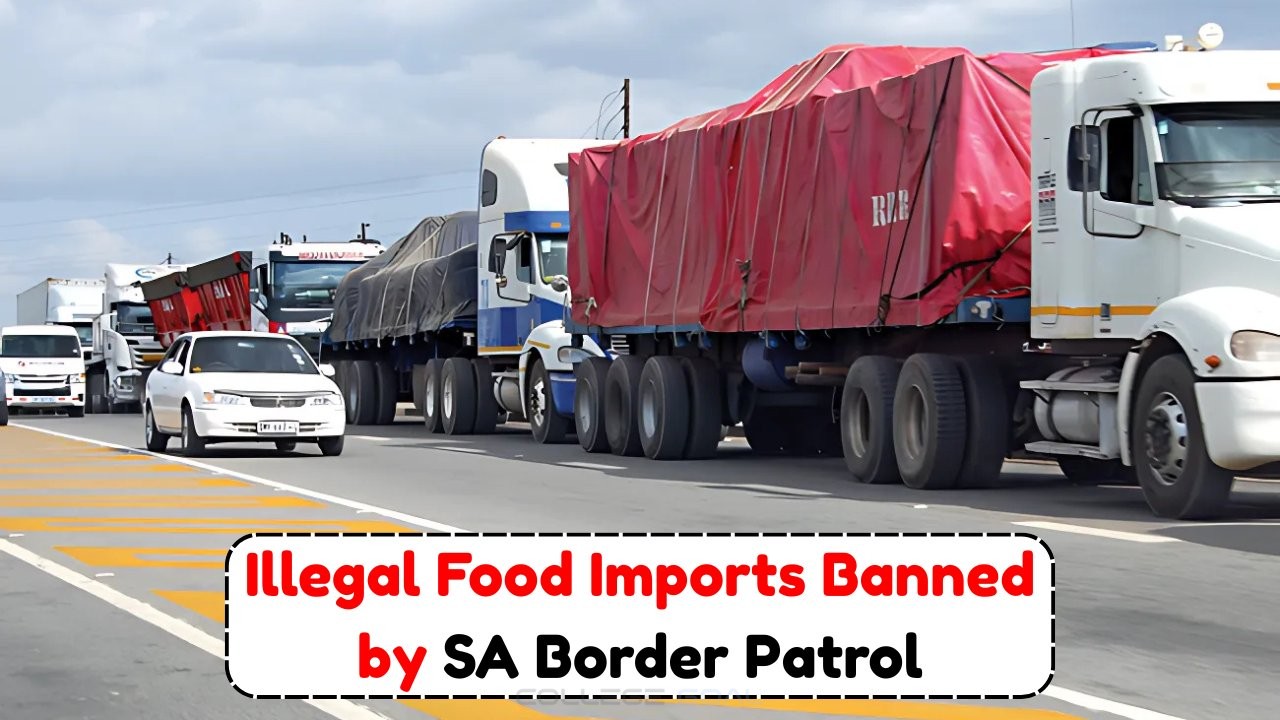
Border Patrol’s New Food Restrictions: As South Africans, we have always valued the quality and safety of our food, but recent changes by border patrol authorities have made it crucial to be more vigilant than ever. With new food restrictions being put in place, many are left wondering how these changes will impact their grocery shopping habits. The goal is to maintain food safety standards and prevent the entry of harmful substances. These measures, while necessary, require the public to stay informed and adaptable to new practices. Understanding these regulations can help ensure that your groceries remain safe and compliant with the latest standards.
Understanding Border Patrol’s New Food Policies
The recent amendments in food policies at the borders have been implemented to ensure the safety and quality of food entering the country. The primary focus of these regulations is to prevent the entry of non-compliant food products that could pose health risks to the public. The South African government has emphasized the importance of adhering to these new standards to protect consumers.

- Restricted items include certain fresh produce, meats, and dairy products.
- Only certified importers are allowed to bring in specified food items.
- All imported food must have verifiable documentation of origin.
- Random inspections are conducted to ensure compliance.
- Non-compliance can lead to fines or confiscation of goods.
- Travelers should declare any foodstuffs at customs.
Impact on Consumers and Importers
These new regulations have significant implications for both consumers and importers. For consumers, the changes may mean limited access to certain international food products. Importers, on the other hand, are required to adjust their supply chains to meet the new compliance requirements. The impact is felt across various sectors, from small-scale businesses to large import entities.

| Product | Previous Status | New Status | Documentation Required | Inspection Frequency | Compliance Penalty | Allowed Importers |
|---|---|---|---|---|---|---|
| Fresh Fruits | Unrestricted | Restricted | Yes | High | High | Certified Only |
| Dairy Products | Restricted | More Restricted | Yes | Medium | Medium | Certified Only |
| Meat | Restricted | More Restricted | Yes | High | High | Certified Only |
| Grains | Unrestricted | Restricted | No | Low | Medium | Certified Only |
| Seafood | Restricted | More Restricted | Yes | High | High | Certified Only |
| Processed Foods | Unrestricted | Restricted | No | Medium | Low | Certified Only |
| Spices | Unrestricted | Restricted | No | Low | Low | Certified Only |
Steps to Ensure Compliance with Food Restrictions
Ensuring compliance with these new border patrol food restrictions requires both diligence and awareness. Consumers and importers alike must familiarize themselves with the specific details of these regulations to avoid potential penalties or disruptions in supply.
Key Steps for Compliance:
- Regularly check updates on food restriction policies.
- Importers should ensure their suppliers are certified and compliant.
- Maintain documentation for all imported food products.
- Be prepared for inspections and audits at entry points.
- Consult with customs officials for clarification on any uncertainties.
- Utilize government resources and hotlines for guidance.
By following these steps, both consumers and importers can contribute to maintaining the integrity of South Africa’s food supply.
Challenges in Adapting to New Food Restrictions
Adapting to these new food restrictions presents several challenges for all stakeholders involved. Importers may face increased costs due to the need for additional documentation and compliance measures. For consumers, the variety of available food products may decrease, leading to changes in shopping habits and potential increases in food prices.
Common Challenges:
| Challenge | Description | Impact | Solution | Stakeholder |
|---|---|---|---|---|
| Increased Costs | Costs for documentation and compliance | Higher prices for consumers | Efficient supply chain management | Importers |
| Limited Product Variety | Fewer international products available | Reduced consumer choice | Local sourcing | Consumers |
| Compliance Complexity | Understanding detailed regulations | Risk of non-compliance | Regular training and updates | Importers |
| Inspection Delays | Delays at border entries | Supply chain disruptions | Pre-clearance processes | Importers |
| Communication Gaps | Lack of information dissemination | Confusion among stakeholders | Improved communication channels | Government |
Consumer Awareness and Education Efforts
To aid in the transition to these new regulations, it is crucial for efforts in consumer awareness and education to be amplified. Understanding the importance of these food restrictions can foster a cooperative environment where both consumers and importers can thrive.
- Government campaigns to inform the public about food safety.
- Workshops and seminars for importers on compliance requirements.
- Partnerships with local supermarkets to educate shoppers.
- Utilization of social media platforms for quick updates.
- Engagement with community groups to spread awareness.
These initiatives can significantly reduce the challenges associated with the transition and ensure a smoother implementation of the restrictions.
FAQ Section on Border Food Restrictions
What are the main reasons for the new food restrictions?
The primary reasons are to enhance food safety and prevent the entry of harmful substances into the country.
How can consumers stay updated with these changes?
Consumers can stay informed through government websites, news updates, and by subscribing to official announcements.
Are there any exemptions to these restrictions?
Only certain certified importers and specific food items with proper documentation may be exempt.
What should travelers do if they have undeclared food items?
Travelers are advised to declare any food items at customs to avoid penalties.
How does this affect local food producers?
This can provide an opportunity for local producers to fill gaps left by restricted international products.
What are the new food restrictions implemented by Border Patrol that may affect my groceries?
The new food restrictions implemented by Border Patrol may include limitations on bringing certain fruits, vegetables, meats, and other food items across borders. It is important to stay informed about these restrictions to avoid any issues with bringing groceries across borders.
How do the new food restrictions by Border Patrol impact travelers crossing the border?
The new food restrictions implemented by Border Patrol are aimed at preventing the introduction of harmful plant pests and animal diseases into the country. Travelers crossing the border should be aware that certain food items such as fresh fruits, vegetables, meats, and animal products may be restricted or prohibited. It is important to check and declare any food items you are carrying to avoid penalties and protect the agricultural industry and environment.
How do the new food restrictions imposed by Border Patrol impact travelers bringing groceries across the border?
The new food restrictions implemented by Border Patrol can have a significant impact on travelers carrying groceries across the border. These restrictions may prohibit certain foods from being brought into the country due to concerns about pests, diseases, or other safety issues. It is important for travelers to be aware of these restrictions to avoid any penalties or confiscation of their groceries at the border. Be sure to check the latest guidelines and regulations before attempting to bring groceries across the border to ensure a smooth and hassle-free experience.
How do Border Patrol's new food restrictions impact travelers bringing groceries across the border?
Border Patrol's new food restrictions may limit the types of groceries that can be brought across the border, especially fresh produce, meats, and dairy products. Travelers should be aware of these restrictions to avoid any issues at the border and ensure the safety of their groceries. It's recommended to check the latest guidelines and regulations before traveling with food items.
How can I stay informed about the latest food restrictions implemented by Border Patrol?
To stay informed about the latest food restrictions imposed by Border Patrol, you can regularly check official government websites, subscribe to relevant news outlets or newsletters, and follow official Border Patrol social media accounts for updates and announcements. Additionally, it's a good idea to stay in touch with your local grocery stores or importers who can provide information on any changes that may affect the food products you purchase.
Can I bring fresh fruits and vegetables across the border under the new food restrictions imposed by Border Patrol?
Under the new food restrictions, bringing fresh fruits and vegetables across the border may be limited or prohibited to prevent the spread of pests and diseases. It is important to check the specific regulations and guidelines set by Border Patrol before attempting to bring any fresh produce across the border.
How can I stay informed about the latest food restrictions imposed by Border Patrol?
To stay informed about any new food restrictions implemented by Border Patrol, it is advisable to regularly check official Border Patrol websites, government announcements, and news outlets. Additionally, signing up for alerts and newsletters from relevant government agencies can help you stay up-to-date on any changes that may affect the transportation of food items across borders.
How can travelers ensure compliance with the new food restrictions imposed by Border Patrol?
To ensure compliance with the new food restrictions, travelers should thoroughly research and familiarize themselves with the specific items that are prohibited or restricted by Border Patrol. It is advisable to carefully read official guidelines, declarations, and regulations provided by Border Patrol or relevant authorities. Additionally, travelers can opt for purchasing food items at their destination to avoid any potential issues at the border.
How can travelers ensure compliance with Border Patrol's new food restrictions when crossing borders?
To ensure compliance with Border Patrol's new food restrictions, travelers should thoroughly research and familiarize themselves with the specific rules and regulations of the country they are entering. It is recommended to avoid carrying fresh fruits, vegetables, meat, and dairy products unless they are allowed. To be safe, it's best to pack non-perishable and commercially packaged food items when traveling internationally. Additionally, always declare any food items you are carrying to customs officials to avoid any potential penalties or fines.
Will these new food restrictions affect me if I only travel domestically within the United States?
The new food restrictions imposed by Border Patrol are primarily for individuals traveling internationally. If you are only traveling domestically within the United States, these restrictions should not affect you. However, it's always a good idea to stay informed and check for any updates before your travels.
How can I stay informed about the latest food restrictions implemented by border patrol?
To stay informed about the latest food restrictions imposed by border patrol, you can regularly check the official website of the border patrol agency or subscribe to their newsletters and updates. Additionally, you can follow relevant news outlets or government agencies on social media platforms for real-time updates on any changes to food restrictions.
Can I bring fruits and vegetables across the border if I declare them at customs?
It depends on the specific food restrictions in place and the country you are entering. Some fruits and vegetables may be allowed if declared and inspected by border authorities. It's always best to check the latest guidelines before attempting to bring any fresh produce across the border.
Can I bring fruits and vegetables across the border when traveling internationally?
It is important to check the specific regulations of the country you are entering, as different countries have varying restrictions on bringing fruits and vegetables across borders. Some countries may have strict rules to prevent the introduction of pests and diseases that could harm local agriculture. Be sure to declare any fruits and vegetables you are carrying and follow the guidelines to avoid any potential fines or confiscation of items.
How can I stay informed about the latest updates and changes in food restrictions imposed by Border Patrol?
To stay informed about the latest updates and changes in food restrictions imposed by Border Patrol, it is advisable to regularly check official government websites, subscribe to relevant newsletters or alerts, follow Border Patrol's social media accounts, and stay updated with news sources that cover border security and related topics. Additionally, you can reach out to Border Patrol directly for any specific inquiries or clarification on food restrictions.
How can I stay informed about the latest food restrictions imposed by Border Patrol?
To stay informed about the latest food restrictions imposed by Border Patrol, it is recommended to regularly check official government websites, subscribe to relevant news outlets and newsletters, and follow official Border Patrol social media accounts for updates and announcements. Additionally, you can also reach out to Border Patrol directly for specific inquiries regarding food restrictions.
How can travelers ensure their groceries comply with Border Patrol's new food restrictions?
To ensure compliance with Border Patrol's food restrictions, travelers should carefully review and follow the guidelines provided by the agency. It is advisable to avoid bringing fresh fruits, vegetables, meats, dairy products, and other agricultural items across borders. Instead, opt for commercially packaged and sealed food items, as well as non-perishable goods. Additionally, declaring all food items at customs and being prepared for possible inspections can help streamline the process and prevent any issues at the border.
Can I bring fruits and vegetables across the border if I declare them?
It depends on the specific restrictions in place at the border you are crossing. Some fruits and vegetables may be allowed if declared and inspected, while others may be restricted due to potential threats of pests and diseases. It's important to check with the border patrol officials or visit their website for the most up-to-date information on what foods are permitted.
How can I stay informed about any new food restrictions implemented by border patrol?
To stay informed about any new food restrictions, it is recommended to regularly check official announcements and updates from the border patrol agency, as well as monitor news sources and government websites for the latest information regarding food import regulations and restrictions. Additionally, signing up for alerts or notifications from relevant authorities can help keep you informed of any changes that may impact the safety of your groceries.
How can travelers find out about specific food restrictions enforced by Border Patrol?
Travelers can visit the official website of the Border Patrol or contact their local border crossing station to inquire about specific food restrictions and regulations in place. Additionally, travelers can check with the country's embassy or consulate for up-to-date information on food restrictions before crossing the border.
Can border patrol officers confiscate my groceries at the border?
Border patrol officers have the authority to inspect and potentially confiscate certain food items that do not meet the regulations set by the country's agriculture department. It is important to check the guidelines and restrictions on bringing food items across borders to ensure compliance and avoid any potential issues.
Can travelers bring back fresh fruits and vegetables across the border under the new food restrictions by Border Patrol?
The rules regarding bringing fresh fruits and vegetables across the border can vary depending on the specific regulations set by Border Patrol. It is recommended to check with Border Patrol or customs authorities for the most up-to-date information on what types of food items are allowed to be brought back from your travels.
Can I bring fruits and vegetables across the border when traveling internationally?
It's important to check the specific regulations of the country you are traveling to as some places have strict restrictions on bringing in fresh fruits and vegetables due to concerns about pests and diseases. It's recommended to declare any food items you are carrying with you at the border to avoid any potential issues.
Can travelers bring fruits and vegetables across the border?
It is important to check the specific regulations of the country you are traveling to and from, as restrictions on bringing fruits and vegetables across borders can vary. Border Patrol may have guidelines in place to prevent the introduction of pests and diseases, so it's best to be informed before attempting to bring produce across the border.
What are some common items that may be restricted by Border Patrol in terms of groceries?
Common items that may be restricted by Border Patrol include fresh fruits and vegetables, raw meats, dairy products, and certain plant-based products like seeds or live plants. It's important to check the latest guidelines and regulations to ensure compliance when crossing borders with groceries.
Can Border Patrol agents inspect and confiscate fresh produce and other food items at the border?
Yes, Border Patrol agents have the authority to inspect and confiscate fresh produce and other food items at the border to prevent the introduction of pests, diseases, or prohibited items into the country. It is important to be aware of any food restrictions and regulations when traveling to ensure a smooth border crossing experience.
How can I stay informed about the latest updates and changes to the Border Patrol's food restrictions?
To stay informed about the latest updates and changes to the Border Patrol's food restrictions, you can regularly check the official Border Patrol website, follow relevant government agencies on social media, sign up for email alerts, and consult with customs officials when traveling internationally. Additionally, staying updated with news outlets that cover border security and travel regulations can also help you remain informed about any new developments.
Can border patrol restrictions impact the types of groceries I can bring back from a trip abroad?
Yes, border patrol may impose restrictions on certain food items to prevent the spread of pests, diseases, or invasive species. It's important to check with local authorities or border patrol agencies to ensure compliance with regulations before bringing groceries back from a trip abroad.
How can I stay informed about the latest food restrictions imposed by Border Patrol?
To stay updated on any new food restrictions implemented by Border Patrol, it is recommended to regularly check official Border Patrol websites, subscribe to relevant newsletters or alerts, follow Border Patrol's social media accounts, and stay informed through reputable news sources. Additionally, you can also reach out to local Border Patrol offices for specific information related to food restrictions.
Can travelers bring fruits and vegetables across the border under the new food restrictions by Border Patrol?
Under the new food restrictions by Border Patrol, travelers are generally not allowed to bring fresh fruits and vegetables across the border due to concerns about potential pests and diseases. It is recommended to check the specific regulations and guidelines before attempting to bring any produce across the border.
What types of food items are typically restricted by border patrol?
Border patrol typically restricts items such as fresh fruits and vegetables, meats, dairy products, plants, seeds, and certain animal products. These restrictions are in place to prevent the introduction of pests, diseases, and invasive species into a new country.
Can travelers bring fresh fruits and vegetables across the border with the new food restrictions by Border Patrol?
It is important to check the latest guidelines and restrictions set by Border Patrol regarding bringing fresh fruits and vegetables across the border. Some items may be prohibited or restricted due to concerns about pests and diseases that could harm agriculture in the destination country. It is recommended to declare all food items at the border and be prepared for possible inspections.
How can I stay informed about the latest food restrictions implemented by border patrol?
To stay informed about the latest food restrictions imposed by border patrol, it is essential to regularly check official government websites, news outlets, and border patrol announcements. Additionally, signing up for notifications or alerts from relevant government agencies can help you stay updated on any new food restrictions that may impact your groceries while traveling.
Can travelers bring any food items across the border?
It depends on the specific food items and the regulations in place. Certain items may be prohibited or restricted due to concerns about pests, diseases, or other risks to agriculture and public health. It's important to check the latest guidelines from border patrol and customs authorities to ensure compliance and avoid any issues when crossing the border with food items.
Can I bring fruits and vegetables across borders without any restrictions?
It is important to check the specific regulations for each border crossing as restrictions can vary. In general, many countries have strict guidelines on bringing in fruits and vegetables due to concerns about pests and diseases that could harm local agriculture. It is advisable to check with the border patrol or customs agency of the country you are entering to ensure compliance with their regulations.
What happens if I unintentionally bring prohibited food items across the border?
If you accidentally bring prohibited food items across the border, you should declare them to border patrol immediately. Depending on the severity of the infraction and the specific regulations in place, you may face fines, confiscation of the items, or other consequences. It's always best to be honest and upfront about any items you are unsure about to avoid potential penalties.
How can travelers ensure they are compliant with the new food restrictions enforced by Border Patrol?
To ensure compliance with Border Patrol's new food restrictions, travelers should familiarize themselves with the specific items prohibited from crossing the border. It is recommended to thoroughly check and declare all food items in their possession, dispose of any prohibited items before reaching the border, and be prepared for potential inspections by Border Patrol agents. Additionally, staying informed of any updates or changes to the food restrictions is crucial for a smooth and hassle-free crossing.
Can Border Patrol agents confiscate my groceries when crossing the border?
Border Patrol agents have the authority to inspect and potentially confiscate certain food items when crossing the border to prevent the spread of pests and diseases. It's important to be aware of the food restrictions in place and declare any restricted items to avoid any issues during the inspection process.
Can border patrol restrict certain types of food items from entering the country for safety reasons?
Yes, border patrol can restrict certain types of food items from entering the country to prevent the introduction of pests, diseases, and other potential threats to agriculture and public health. It is important to be aware of these restrictions and regulations when traveling internationally or receiving packages from abroad to ensure the safety of your groceries.
How can I stay informed about the latest food restrictions imposed by Border Patrol?
To stay up-to-date on the latest food restrictions enforced by Border Patrol, regularly check official Border Patrol websites, follow relevant news outlets, subscribe to government newsletters or alerts, and consider joining community forums or groups where members share information and updates on border regulations.
Can I bring fruits and vegetables across the border with the new food restrictions imposed by Border Patrol?
It is essential to check the specific regulations and restrictions in place regarding fruits and vegetables when crossing the border. Some items may be prohibited or restricted due to concerns about pests or diseases that could potentially harm agricultural industries. It is advised to research and comply with the latest guidelines to ensure a smooth border crossing experience.
How can I stay informed about the latest updates on Border Patrol's food restrictions?
To stay informed about the latest updates on Border Patrol's food restrictions, you can regularly check official government websites, follow reliable news sources, and sign up for alerts or notifications from relevant agencies. Additionally, you can consider joining online forums or communities where individuals share updates and discuss the implications of these restrictions.
How can I stay informed about the latest food restrictions imposed by Border Patrol?
To stay informed about the latest food restrictions imposed by Border Patrol, it is recommended to regularly check official government websites, subscribe to relevant news alerts, follow Border Patrol's official social media accounts, and stay updated through reputable news sources. Additionally, you can contact Border Patrol directly for specific inquiries regarding food restrictions that may affect your groceries.
Can border patrol officials search my groceries when crossing the border?
Yes, border patrol officials have the authority to search your groceries when crossing the border to ensure compliance with food restrictions and regulations. It's important to familiarize yourself with the specific food items that are allowed and prohibited to avoid any issues during the border crossing process.
Can border patrol restrict certain types of food items from entering the country?
Yes, border patrol has the authority to restrict certain types of food items from entering the country to prevent the introduction of pests, diseases, or other harmful substances that could harm agriculture or public health. It is important to be aware of any new food restrictions in place when traveling internationally to avoid potential issues at customs.
How are these new food restrictions by Border Patrol impacting travelers returning from international trips?
The new food restrictions implemented by Border Patrol are impacting travelers returning from international trips by prohibiting certain food items from entering the country. This is aimed at preventing the introduction of harmful pests and diseases that could pose a threat to agriculture and public health in the United States. Travelers are advised to be aware of these restrictions and declare any food items they may be carrying to avoid fines or penalties.
Can I bring fruits and vegetables with me across the border?
Border Patrol regulations vary depending on the country and region. It is essential to check the specific guidelines and restrictions in place before attempting to bring fruits and vegetables across the border to ensure compliance with regulations and avoid any potential issues.
Can travelers bring fresh fruits and vegetables across the border under the new food restrictions imposed by Border Patrol?
Under the new food restrictions, travelers are generally not allowed to bring fresh fruits and vegetables across the border due to concerns about potential pests and diseases. It's best to check with Border Patrol or the official guidelines to ensure compliance with the regulations.
How can I stay informed about any new food restrictions implemented by Border Patrol?
To stay informed about any new food restrictions implemented by Border Patrol, it is recommended to regularly check official government websites, news outlets, and Border Patrol communication channels for updates and announcements. Additionally, signing up for alerts or newsletters from relevant agencies can help ensure you stay up-to-date on any changes to food restrictions.
How do the new food restrictions enforced by Border Patrol impact travelers bringing groceries across borders?
The new food restrictions imposed by Border Patrol are aimed at preventing the spread of pests and diseases that could harm agriculture and ecosystems. Travelers need to be aware of these restrictions to avoid potential fines or confiscation of their groceries. It is advised to thoroughly research and comply with the specific regulations of the destination country to ensure a smooth and hassle-free travel experience.
How can I stay informed about the latest food restrictions implemented by Border Patrol?
To stay informed about the latest food restrictions implemented by Border Patrol, it is recommended to regularly check official Border Patrol websites, follow relevant news sources, subscribe to alerts or newsletters from Border Patrol or related agencies, and stay up-to-date on any announcements or changes in regulations. Additionally, you can reach out directly to Border Patrol for specific questions or concerns regarding food restrictions.
Can I bring fresh fruits and vegetables across the border under the new food restrictions imposed by Border Patrol?
It is recommended to check with the specific regulations and guidelines set by Border Patrol regarding fresh fruits and vegetables before attempting to bring them across the border. Some items may be restricted due to agricultural concerns or other safety reasons.
What types of food items are typically restricted by border patrol?
Border patrol commonly restricts items such as fresh fruits and vegetables, meat and dairy products, plants, seeds, and certain spices. It's important to check the specific regulations of the country you are traveling to in order to avoid any issues at the border.
Can border patrol restrict certain types of food items from entering the country?
Yes, border patrol has the authority to restrict certain types of food items from entering the country in order to protect against the introduction of pests, diseases, and other potential threats to agriculture and public health. It's important to be aware of these restrictions and guidelines when traveling with food items or importing groceries to ensure compliance with regulations.
Can Border Patrol restrict certain types of food items from being brought across the border?
Yes, Border Patrol has the authority to restrict certain types of food items from being brought across the border to prevent the introduction of pests and diseases that could harm agriculture and the environment. It is important to be aware of these restrictions and comply with them to avoid any issues when crossing the border with groceries.
How can travelers ensure compliance with the new food restrictions imposed by Border Patrol?
Travelers can ensure compliance by familiarizing themselves with the specific food items allowed and prohibited by Border Patrol, properly declaring any food items in their possession, and being prepared to dispose of or surrender any restricted items upon arrival at the border. It is also advisable to check the latest guidelines and regulations directly from Border Patrol or the official customs and border protection website before traveling.
What types of food items are commonly restricted by Border Patrol at the border?
Commonly restricted food items by Border Patrol include fruits, vegetables, meats, dairy products, plants, and seeds. It's important to be aware of these restrictions to ensure a smooth and hassle-free crossing at the border.
Can I bring fruits and vegetables across the border when traveling internationally?
It is important to check with the specific border patrol regulations of the country you are entering, as restrictions on bringing fruits and vegetables can vary. Some countries have strict rules to prevent the introduction of pests and diseases that could harm local agriculture. It is always best to declare any food items you are carrying and be prepared to dispose of them if necessary.
How can I stay informed about the latest food restrictions imposed by Border Patrol?
To stay informed about the latest food restrictions imposed by Border Patrol, it is recommended to regularly check official Border Patrol websites, follow relevant news outlets, and sign up for alerts or notifications from Border Patrol or relevant government agencies. Additionally, you can also stay informed by following social media accounts of Border Patrol and related agencies for real-time updates on any new food restrictions.
How can I stay updated on the latest food restrictions implemented by Border Patrol?
To stay informed about any new food restrictions or regulations set by Border Patrol, it is recommended to regularly check the official website of the U.S. Customs and Border Protection (CBP) as they typically provide updates on any changes to food importation rules and regulations. Additionally, signing up for alerts or newsletters from CBP can also help you stay current on any new developments regarding food restrictions at the border.
How can I stay informed about the latest food restrictions imposed by Border Patrol?
To stay informed about the latest food restrictions imposed by Border Patrol, you can regularly check official Border Patrol websites, follow relevant news outlets, subscribe to newsletters from government agencies, and sign up for alerts or notifications from border control authorities. It is important to stay updated on any changes to food restrictions to ensure compliance and avoid any issues when traveling across borders.
How can I stay informed about any new food restrictions implemented by Border Patrol?
To stay informed about any new food restrictions implemented by Border Patrol, it is recommended to regularly check official Border Patrol websites, subscribe to relevant newsletters or alerts, follow official social media channels, and monitor news updates from reputable sources. Additionally, you can reach out directly to Border Patrol authorities for specific information regarding food restrictions that may affect your groceries.
Can I bring fruits and vegetables across the border with the new food restrictions imposed by Border Patrol?
It is important to check the specific regulations and restrictions in place, as they can vary by country and region. Border Patrol may have restrictions on certain fruits and vegetables to prevent the spread of pests and diseases. It is advisable to declare all food items when crossing the border and be prepared for possible inspections or confiscations.
Are there any specific foods that are commonly restricted by border patrol?
Yes, border patrol may restrict certain fruits, vegetables, meats, and other food items that pose a risk of carrying pests or diseases across borders. It's important to check the current regulations and guidelines before traveling to ensure compliance and avoid any issues at the border.
How can I stay informed about the latest food restrictions implemented by Border Patrol?
To stay informed about the latest food restrictions by Border Patrol, it is advisable to regularly check official Border Patrol websites, subscribe to their newsletters or alerts, follow their social media channels, and tune in to relevant news outlets for updates on any changes or announcements regarding food restrictions. It's important to stay informed to ensure compliance and avoid any issues when traveling with groceries.
How can I stay informed about the latest food restrictions enforced by Border Patrol?
To stay informed about the latest food restrictions imposed by Border Patrol, make sure to regularly check official government websites, follow relevant news outlets, and sign up for alerts or notifications from Border Patrol or related agencies. Additionally, staying connected with community organizations or advocacy groups that focus on food safety and border issues can also help you stay updated on any new developments or changes in food regulations.
Are there any specific food items that are commonly restricted by border patrol?
Yes, some common food items that are frequently restricted by border patrol include fresh fruits and vegetables, meats, dairy products, and seeds. It's important to check the regulations of the specific country you are traveling to in order to avoid any issues at the border.
Can I bring fruits and vegetables across the border when traveling internationally?
It's important to check the specific regulations of the country you are traveling to and from, as many countries have restrictions on bringing fruits and vegetables due to potential agricultural pests and diseases. It is recommended to declare any food items you are carrying and be prepared for them to be inspected by border patrol.
Can Border Patrol confiscate all types of food items at the border?
Border Patrol can confiscate certain types of food items that are considered high risk for carrying pests or diseases. It's important to check the latest regulations to know which food items are restricted before traveling across the border.
How can I stay informed about the latest updates on food restrictions imposed by Border Patrol?
To stay informed about the latest updates on food restrictions imposed by Border Patrol, you can regularly check official Border Patrol websites, subscribe to their newsletters or press releases, follow their social media accounts for announcements, and stay updated through reliable news sources that cover border security and food safety regulations.
How can travelers stay informed about the latest food restrictions enforced by border patrol?
To stay informed about the latest food restrictions enforced by border patrol, travelers should regularly check the official website of the border patrol agency of the country they are visiting. Additionally, travelers can also inquire about any food restrictions at the point of entry or consult with their airline or travel agency for any updated information. Keeping abreast of any changes in food regulations can help ensure a smooth and hassle-free travel experience.
How can I stay informed about any new food restrictions implemented by Border Patrol?
To stay informed about any new food restrictions imposed by Border Patrol, it is recommended to regularly check official Border Patrol websites, subscribe to relevant newsletters, follow Border Patrol social media accounts, and stay updated through reliable news sources. Additionally, you can also reach out to Border Patrol directly for specific inquiries regarding food restrictions.
How do Border Patrol food restrictions impact travelers bringing groceries across the border?
Border Patrol food restrictions can vary depending on the country and region. It is important for travelers to familiarize themselves with the specific regulations in place to avoid potential fines or confiscation of goods. Some common restrictions may include limitations on fresh fruits, vegetables, meats, and dairy products to prevent the spread of pests and diseases across borders. It is recommended to check official government websites or consult with border control authorities for the most up-to-date information before attempting to bring groceries across the border.
How can I stay updated on the latest food restrictions implemented by border patrol?
To stay informed about any new food restrictions imposed by border patrol, it is recommended to regularly check official government websites, subscribe to relevant newsletters or alerts, and follow credible news sources for the most up-to-date information. Additionally, contacting border patrol or customs authorities directly for specific inquiries can also provide accurate and current details on food restrictions.
Can I bring fruits and vegetables across the border?
Border Patrol has specific regulations regarding bringing fruits and vegetables across the border to prevent the spread of pests and diseases. It is best to check the current guidelines and restrictions before attempting to bring these items with you.
Can border patrol restrict any type of food from entering the country?
Yes, border patrol can restrict certain types of food from entering the country to prevent the spread of pests, diseases, and other potential threats to agriculture and public health. It is important to be aware of these restrictions and guidelines when traveling internationally or receiving packages from abroad.
Can border patrol restrict specific types of food items from entering the country?
Yes, border patrol has the authority to restrict certain food items from entering the country to prevent the spread of pests and diseases that could harm agriculture and public health. It is important to be aware of any food restrictions before traveling internationally to avoid potential issues at the border.
Can Border Patrol search and seize my groceries at the border?
Yes, Border Patrol agents have the authority to search and potentially seize any items, including groceries, that are not allowed to cross the border due to food restrictions or regulations. It's important to be aware of the specific food restrictions in place to avoid any issues when crossing the border with groceries.
How do the new food restrictions by Border Patrol impact travelers bringing groceries into the country?
The new food restrictions by Border Patrol may impact travelers bringing groceries into the country by prohibiting certain items from being brought across the border. It is important for travelers to be aware of these restrictions to avoid any issues or delays at customs. Make sure to check the latest guidelines to ensure that the groceries you are bringing comply with the regulations.
How can travelers stay informed about the latest food restrictions imposed by Border Patrol?
Travelers can stay informed about the latest food restrictions imposed by Border Patrol by regularly checking the official Border Patrol website or contacting the customs office at the border crossing they plan to use. It is important to stay updated on any changes to avoid potential issues with bringing certain food items across borders.
How can travelers stay informed about the latest food restrictions enforced by border patrol?
Travelers can stay informed by regularly checking the official website of the border patrol agency, signing up for email alerts or notifications, contacting the border patrol directly, and seeking information from relevant government agencies or embassies before traveling. It's important to stay up-to-date on any changes to food restrictions to ensure a smooth travel experience.
How will the new food restrictions by Border Patrol impact travelers bringing groceries across the border?
The new food restrictions by Border Patrol may impact travelers bringing groceries across the border by prohibiting certain items from being brought into the country. It is important for travelers to be aware of these restrictions to avoid any fines or confiscation of items at the border. Be sure to check the latest guidelines and regulations before attempting to bring groceries across the border.
What types of food items are now restricted by Border Patrol when crossing the border?
Border Patrol has implemented restrictions on certain fresh fruits, vegetables, meats, and other agricultural products to prevent the spread of pests and diseases. It is important to check the latest guidelines before traveling to ensure compliance and avoid any issues at the border.
How can I stay informed about the latest food restrictions imposed by border patrol?
To stay informed about the latest food restrictions imposed by border patrol, you can regularly check official government websites, subscribe to email newsletters from relevant agencies, follow official social media accounts for updates, and consult with customs officials when traveling internationally. It's important to stay updated on any changes to ensure your groceries comply with regulations.
Can I bring fresh fruits and vegetables across the border under the new food restrictions imposed by Border Patrol?
It is essential to check the specific regulations and restrictions set by Border Patrol regarding fresh fruits and vegetables before attempting to bring them across the border. Certain types of produce may be prohibited or subject to inspection to prevent the spread of pests and diseases. It is advisable to pack non-perishable food items or check with the Border Patrol to ensure compliance with the latest guidelines.
Can Border Patrol restrict certain foods from entering the country?
Yes, Border Patrol has the authority to restrict certain foods from entering the country to prevent the introduction of pests, diseases, and contaminants that could harm agriculture, the environment, and public health. It's important to stay informed about these restrictions to ensure the safety of your groceries.
What types of food items are subject to the Border Patrol's new restrictions?
The Border Patrol's new food restrictions primarily target fresh fruits, vegetables, meats, dairy products, and other perishable items that could potentially introduce pests or diseases into the country. It's important to stay informed about the specific guidelines to ensure compliance and avoid any issues when traveling with groceries.
How can I stay informed about any new food restrictions implemented by Border Patrol?
To stay updated on any new food restrictions imposed by Border Patrol, it is recommended to regularly check official Border Patrol websites, follow relevant news outlets, and sign up for alerts or notifications from government agencies responsible for regulating food imports. Additionally, you can also reach out to Border Patrol directly for specific information regarding any changes in food restrictions.
How can travelers ensure they are compliant with Border Patrol's new food restrictions when crossing borders with groceries?
To ensure compliance with Border Patrol's new food restrictions when traveling with groceries, it is important to review the specific regulations of the country you are entering. Be sure to declare all food items you are carrying, familiarize yourself with prohibited items, and consider packing non-restricted food items in your checked luggage to avoid any issues at the border. Additionally, staying informed about any updates or changes to food restrictions by checking official government websites or contacting relevant authorities can help you navigate the process smoothly.
How can I stay updated on the latest food restrictions implemented by the Border Patrol?
To stay informed about the most recent food restrictions and regulations set by Border Patrol, it is recommended to regularly check official government websites, subscribe to newsletters or alerts from relevant agencies, and follow reputable news sources that cover border security and food safety updates. Additionally, you can reach out to Border Patrol directly or consult with customs officials for specific inquiries regarding food restrictions.
How do the new food restrictions implemented by Border Patrol impact travelers bringing groceries across the border?
The new food restrictions imposed by Border Patrol aim to prevent the spread of pests and diseases that may be present in certain food items. Travelers are advised to familiarize themselves with the list of prohibited items to avoid any potential issues at the border. It is recommended to check official sources for the most up-to-date information on what foods are allowed and prohibited when crossing the border.
How do border patrol food restrictions impact travelers bringing groceries across borders?
Border patrol food restrictions are in place to prevent the introduction of pests, diseases, and invasive species that can harm agriculture and the environment. Travelers need to be aware of these restrictions to avoid fines, confiscation of goods, and potential harm to local ecosystems. It is important to familiarize yourself with the specific food items that are prohibited or restricted before crossing any borders to ensure compliance and safety.
How can I stay updated on the latest food restrictions implemented by Border Patrol?
To stay informed about any new food restrictions and regulations enforced by Border Patrol, it is recommended to regularly check official government websites, follow relevant news outlets, and sign up for alerts or newsletters from relevant government agencies. Additionally, you can also reach out to Border Patrol directly for specific inquiries regarding food restrictions.
How can I stay informed about the latest food restrictions imposed by Border Patrol?
To stay updated on any new food restrictions imposed by Border Patrol, it is recommended to regularly check official Border Patrol websites, subscribe to relevant newsletters or alerts, and follow credible news sources for any announcements or updates regarding food restrictions at the border.
How can I stay informed about the latest updates and changes in food restrictions imposed by Border Patrol?
To stay informed about the latest updates and changes in food restrictions imposed by Border Patrol, it is recommended to regularly check official government websites, subscribe to relevant newsletters or alerts, follow official social media accounts, and stay connected with local news outlets for timely information. Additionally, you can also reach out to Border Patrol directly for any specific questions or clarifications regarding food restrictions.
What types of food items are commonly restricted by border patrol when crossing into different countries?
Commonly restricted food items by border patrol include fresh fruits and vegetables, meats, dairy products, seeds, plants, and some processed foods. It is important to check the specific regulations of the country you are traveling to in order to avoid any issues at the border.
Can Border Patrol agents search my groceries when crossing the border?
Yes, Border Patrol agents have the authority to inspect and search any items, including groceries, that are being brought across the border to ensure compliance with food safety regulations and restrictions. It is important to be aware of any specific food restrictions or limitations in place to avoid any issues during the border crossing process.
How can I stay informed about the latest food restrictions implemented by border patrol?
To stay informed about the latest food restrictions imposed by border patrol, you can regularly check official government websites, subscribe to relevant newsletters or alerts, follow official social media accounts, and stay updated on news sources that cover border control and agriculture regulations. Additionally, you can inquire with border patrol or customs officials directly for specific information regarding food restrictions when traveling.
How can individuals stay informed about the latest food restrictions implemented by Border Patrol?
To stay informed about the latest food restrictions imposed by Border Patrol, individuals can regularly check official Border Patrol websites, subscribe to relevant newsletters or alerts, follow Border Patrol's official social media accounts for updates, and consult with local agricultural authorities for guidance on permissible food items when traveling or crossing borders.
How can I stay informed about the latest food restrictions imposed by Border Patrol?
To stay updated on the latest food restrictions by Border Patrol, you can regularly check the official Border Patrol website, follow relevant news outlets reporting on border security and regulations, sign up for alerts from government agencies, or join online forums or communities discussing border control measures. It's important to stay informed to ensure compliance and avoid any issues while traveling or sending packages across borders.
How can I ensure that the groceries I bring across the border comply with the new food restrictions imposed by Border Patrol?
To ensure that your groceries comply with the new food restrictions set by Border Patrol, it is recommended to familiarize yourself with the updated list of prohibited items. Additionally, consider researching and understanding the specific guidelines and regulations in place for importing food products into the country. You can also opt to purchase groceries from reputable sources or local markets to avoid any potential issues at the border.
How can I stay informed about the latest updates on food restrictions imposed by Border Patrol?
To stay informed about the latest updates on food restrictions imposed by Border Patrol, you can regularly check the official Border Patrol website, sign up for their newsletters, follow their social media accounts, and stay tuned to reputable news sources for any developments in food safety regulations at the border.
How can I stay informed about the latest food restrictions implemented by border patrol?
To stay informed about the latest food restrictions imposed by border patrol, it is recommended to regularly check official government websites, follow updates from relevant agencies or departments, and stay connected with news outlets for any announcements or changes in regulations. Additionally, signing up for email alerts or notifications from border patrol or relevant authorities can also help you stay updated on any new food restrictions that may impact your groceries.
Can Border Patrol restrict certain food items from entering the country for safety reasons?
Yes, Border Patrol can impose restrictions on certain food items to prevent the introduction of pests, diseases, or other potential threats to agriculture and public health. It's important to stay informed about any new food restrictions to ensure compliance and prevent any issues when traveling with groceries or importing food products.
Can border patrol agents inspect and restrict food items I purchased for personal consumption?
Yes, border patrol agents have the authority to inspect and restrict food items you are bringing into the country for personal consumption. It is important to be aware of any food restrictions in place to avoid potential fines or confiscation of prohibited items.
How can I stay informed about any new food restrictions imposed by Border Patrol?
To stay informed about any new food restrictions imposed by Border Patrol, you can regularly check official Border Patrol websites, subscribe to newsletters or alerts from relevant government agencies, and follow reputable news sources that cover border security and food safety regulations. Additionally, you can also reach out to Border Patrol directly for updated information on any changes to food restrictions.
How can I stay informed about the latest food restrictions imposed by Border Patrol?
To stay updated on the latest food restrictions imposed by Border Patrol, you can regularly check their official website or social media channels for announcements and updates. Additionally, subscribing to relevant news outlets or signing up for email alerts from government agencies can also help you stay informed about any new regulations or changes in food restrictions.
How can I stay informed about the latest food restrictions implemented by Border Patrol?
To stay informed about the latest food restrictions imposed by Border Patrol, you can regularly check the official Border Patrol website or follow their social media accounts for updates. Additionally, you can sign up for email alerts or notifications from Border Patrol to receive timely information about any new regulations regarding bringing food across the border.
How can I stay informed about the latest food restrictions implemented by Border Patrol?
To stay updated on the latest food restrictions imposed by Border Patrol, it is recommended to regularly check the official Border Patrol website, follow relevant government agencies on social media, and subscribe to newsletters or alerts from trusted sources that cover border security and food safety regulations. Additionally, staying informed through local news outlets and community organizations can also help you stay well-informed about any changes in food restrictions.
How can I stay informed about the latest food restrictions implemented by Border Patrol?
To stay updated on the latest food restrictions by Border Patrol, you can regularly check official government websites, subscribe to relevant newsletters or alerts, follow reputable news sources, and consider joining online communities or forums where individuals share information and experiences related to this topic.
Can I bring fruits and vegetables across the border while traveling?
It is important to check the specific regulations of the country you are entering, as different countries have varying restrictions on bringing fruits and vegetables across borders. Some countries may prohibit certain items due to potential risks of introducing pests or diseases. Be sure to research and declare any food items you may be carrying to avoid any issues with border patrol.
Can I bring fresh fruits and vegetables across the border with the new food restrictions in place?
It's important to check the specific regulations set by the border patrol regarding fresh fruits and vegetables as these items are often subject to stricter restrictions due to concerns about pests and diseases. Make sure to declare all agricultural items at the border and be prepared for potential confiscation if they do not comply with the regulations.
How can I stay informed about the latest food restrictions imposed by Border Patrol?
To stay informed about the latest food restrictions imposed by Border Patrol, it is recommended to regularly check official Border Patrol websites, subscribe to their newsletters or press releases, follow their social media accounts for updates, and stay updated on any news coverage related to border security and food restrictions. Additionally, you can also reach out to Border Patrol directly through their contact channels for specific inquiries regarding food restrictions.
How can I stay informed about the latest food restrictions enforced by Border Patrol?
To stay informed about the latest food restrictions enforced by Border Patrol, you can regularly check official government websites, follow relevant news outlets, subscribe to newsletters or alerts from border control agencies, and stay connected with local agricultural authorities for updates on any changes in regulations.
How can travelers ensure they are compliant with Border Patrol's new food restrictions when crossing the border?
To ensure compliance with Border Patrol's new food restrictions when crossing the border, travelers should thoroughly review the list of prohibited items before packing their groceries. It is recommended to opt for commercially packaged and sealed food products, declare all food items at the border, and be prepared for possible inspections. Additionally, staying informed about any updates or changes to the regulations is essential to avoid any potential issues while traveling.
Can border patrol restrict certain types of food items from being brought into the country?
Yes, border patrol has the authority to restrict certain types of food items from being brought into the country to prevent the spread of pests and diseases that could harm agriculture and public health. It's important to be aware of any food restrictions in place when traveling internationally to avoid any issues at customs.
How do Border Patrol's new food restrictions impact travelers bringing groceries across the border?
Border Patrol's new food restrictions are in place to prevent the introduction of harmful pests and diseases into the country. Travelers bringing groceries across the border should be aware of prohibited items such as fresh fruits, vegetables, meats, and plants. It is important to check the latest guidelines and declarations to ensure compliance and avoid any issues at the border.
Can Border Patrol search my groceries when I am crossing the border?
Yes, Border Patrol agents have the authority to search your groceries when you are crossing the border. They may inspect your food items to ensure compliance with food safety regulations and to prevent the introduction of prohibited items into the country. It is important to be aware of any food restrictions and guidelines in place to avoid any issues during border crossings.
How will these new food restrictions by Border Patrol impact cross-border shoppers and travelers?
The new food restrictions by Border Patrol may impact cross-border shoppers and travelers by limiting the types of food items that can be brought across the border. It is important to be aware of these restrictions to avoid any potential fines or confiscation of goods. Make sure to check the most up-to-date guidelines before traveling to ensure a smooth and hassle-free experience.
What types of foods are typically restricted by border patrol when crossing into a new country?
Border patrol typically restricts fresh fruits and vegetables, meat and dairy products, seeds and plants, and certain types of packaged foods when crossing into a new country. It's important to check the specific regulations of the country you are traveling to in order to avoid any potential issues at the border.
How can I stay informed about the latest food restrictions imposed by Border Patrol?
To stay informed about the latest food restrictions imposed by Border Patrol, you can regularly check the official Border Patrol website for updates, follow relevant news outlets for any announcements, and consider signing up for alerts or newsletters from relevant government agencies or organizations that track border security and food safety regulations.
Can I bring fresh fruits and vegetables across the border with the new food restrictions in place?
It is advisable to check the specific regulations and restrictions set by border patrol regarding fresh fruits and vegetables before attempting to bring them across the border. Some items may be prohibited or restricted due to concerns about pests, diseases, or other safety issues.
How do Border Patrol food restrictions impact travelers bringing groceries across the border?
Border Patrol food restrictions can vary depending on the country and specific regulations in place. It is important for travelers to be aware of these restrictions to avoid potential fines or confiscation of goods. Always check with the appropriate authorities or research the specific guidelines before attempting to bring groceries across the border.
How can individuals ensure they are compliant with Border Patrol's new food restrictions when traveling internationally?
To comply with Border Patrol's food restrictions, it is recommended to thoroughly research and understand the specific regulations of the country you are traveling to. Avoid packing fresh fruits, vegetables, meats, and dairy products in your luggage, as these items may be restricted. Opt for commercially packaged and sealed foods, such as snacks and canned goods, or consider purchasing food items after you have crossed the border. Additionally, declare all food items you are carrying with you to the customs officers to avoid any penalties or delays.
Can I bring fresh fruits and vegetables across the border with these new food restrictions in place?
Border Patrol's new food restrictions may limit the types of fresh fruits and vegetables you can bring across the border. It's important to check the specific regulations in place before attempting to bring any produce with you. Certain items may be prohibited or restricted due to potential threats to agriculture or the environment.
How can I stay informed about the latest food restrictions imposed by Border Patrol?
To stay informed about the latest food restrictions implemented by Border Patrol, it is recommended to regularly check official Border Patrol websites, subscribe to email newsletters, follow relevant government agencies on social media, and stay updated through reputable news sources. Additionally, you can also reach out to Border Patrol directly for specific inquiries about food restrictions.
What types of food items are restricted by Border Patrol?
Border Patrol may restrict certain fresh fruits, vegetables, meats, plants, and animal products to prevent the introduction of pests and diseases into the country. It is important to check the current regulations and guidelines to ensure compliance when traveling with food items across borders.
Can I bring fruits and vegetables across the border?
It depends on the specific food restrictions enforced by the Border Patrol. To ensure the safety of your groceries and avoid any issues at the border, it's recommended to check the latest guidelines and restrictions in place before attempting to bring fruits and vegetables across the border.
Can I bring fruits and vegetables across the border?
It depends on the specific food restrictions in place. Border Patrol may have regulations regarding the types of fruits and vegetables that are allowed to be brought across the border to prevent the spread of pests and diseases. It's advisable to check the latest guidelines before attempting to bring any fruits or vegetables across the border.
How can I stay informed about the latest updates and changes in food restrictions imposed by border patrol?
To stay informed about the latest updates and changes in food restrictions imposed by border patrol, it is recommended to regularly check official government websites, subscribe to relevant newsletters or alerts, follow reputable news sources, and consider reaching out directly to border patrol authorities for specific inquiries. Additionally, staying informed about any travel advisories or alerts related to food restrictions at border crossings can also help you stay up-to-date on the latest information.

Can individuals bring fruits and vegetables across the border with these new food restrictions in place?
It is recommended to check the specific regulations regarding bringing fruits and vegetables across the border, as these items are often subject to strict guidelines to prevent the spread of pests and diseases.
How can I stay informed about the latest food restrictions imposed by Border Patrol?
To stay updated on any new food restrictions or regulations implemented by Border Patrol, it is recommended to regularly check the official Border Patrol website, follow relevant government agencies on social media platforms, and sign up for email alerts or newsletters from organizations specializing in border security and food safety. Additionally, staying informed through reputable news outlets and subscribing to industry publications can also help you stay ahead of any changes that may affect your groceries.
Can border patrol prevent me from bringing certain foods into the country?
Yes, border patrol can restrict certain foods from entering the country to prevent the introduction of pests, diseases, or contaminants that could harm agriculture, ecosystems, or public health. It's important to familiarize yourself with the specific food restrictions in place to avoid any issues when crossing the border.
How can I stay informed about the latest food restrictions imposed by Border Patrol?
To stay updated on the latest food restrictions enforced by Border Patrol, you can regularly check the official website of the U.S. Customs and Border Protection (CBP) for any announcements or changes. Additionally, subscribing to newsletters or alerts from relevant government agencies or reputable news sources can help you stay informed about any new regulations or restrictions that may impact your groceries while traveling.
How can I stay informed about the latest food restrictions imposed by Border Patrol?
To stay informed about the latest food restrictions imposed by Border Patrol, you can regularly check official Border Patrol websites, sign up for alerts and updates, follow relevant news sources, and consider reaching out directly to Border Patrol officials for specific information. It's important to stay informed to ensure compliance and avoid any potential issues when traveling with food items.
How can I stay updated on the latest food restrictions imposed by Border Patrol?
To stay informed about the latest food restrictions imposed by Border Patrol, you can regularly check the official Border Patrol website or sign up for email alerts. Additionally, following relevant news outlets and government agencies on social media can also help you stay updated on any new regulations or changes in food restrictions.
Can Border Patrol restrict certain types of food items I can bring into the country?
Yes, Border Patrol can impose restrictions on certain food items to prevent the introduction of pests, diseases, or harmful substances into the country. It's important to check the latest guidelines and restrictions before traveling to ensure you comply with the regulations.
How can I stay informed about any new food restrictions imposed by Border Patrol?
To stay informed about any new food restrictions, it is recommended to regularly check official Border Patrol websites, follow relevant news outlets, and sign up for any alerts or notifications provided by Border Patrol or related agencies. Additionally, you can also reach out to Border Patrol directly for specific information regarding food restrictions.
Can I bring fruits and vegetables across the border when traveling internationally?
It depends on the destination country's regulations and the specific items you are carrying. Border Patrol may have restrictions on fresh produce to prevent the spread of pests and diseases. It's important to check the guidelines of both the country you are visiting and the country you are departing from to avoid any issues at the border.
What types of foods are typically restricted by border patrol?
Border patrol typically restricts items such as fresh fruits and vegetables, meats, dairy products, and certain plant products to prevent the spread of pests and diseases across borders. It's important to check the specific regulations of the country you are traveling to in order to avoid any issues at the border.
Can Border Patrol search and seize my groceries at the border?
Yes, Border Patrol has the authority to search and seize groceries at the border if they do not comply with food restrictions and regulations. It is important to be aware of these restrictions to avoid any issues when crossing the border with food items.
What types of food items are subject to the new restrictions set by Border Patrol?
The new food restrictions by Border Patrol may apply to fresh fruits and vegetables, meat and dairy products, as well as certain packaged food items. It is important to stay informed about the specific guidelines to ensure compliance and avoid any potential issues when crossing borders.
How do the new food restrictions enforced by Border Patrol affect travelers bringing groceries across the border?
The new food restrictions implemented by Border Patrol may impact travelers bringing groceries across the border by prohibiting certain food items from entering the country. It is essential to be aware of these restrictions to avoid any penalties or confiscation of goods. Make sure to check the latest guidelines before traveling to ensure a smooth and hassle-free experience with your groceries.
How can I stay informed about the latest updates on food restrictions set by the border patrol?
To stay informed about the latest updates on food restrictions set by the border patrol, you can regularly check official government websites, subscribe to relevant newsletters or alerts, follow border patrol agencies on social media platforms, and stay updated through reputable news sources. It's important to stay informed to ensure compliance and avoid any potential issues while traveling.
How can I stay informed about the latest food restrictions imposed by border patrol?
To stay updated on the latest food restrictions imposed by border patrol, you can regularly check official government websites, subscribe to relevant newsletters or alerts, follow official social media accounts of border patrol agencies, and consult with customs or border patrol officials directly if you have specific concerns. It's important to stay informed to ensure compliance and avoid any potential issues when traveling with food items.
Can I bring fruits and vegetables across the border in my personal vehicle?
It is essential to check the current food restrictions before attempting to bring fruits and vegetables across the border in your personal vehicle. Border Patrol may have specific regulations in place to prevent the introduction of pests or diseases into the country. It is recommended to declare all food items and be prepared to have them inspected at the border.
What types of food items are subject to the Border Patrol's new restrictions?
The Border Patrol's new food restrictions typically apply to fresh fruits, vegetables, meats, dairy products, and other perishable items that may carry pests or diseases that could harm agriculture or public health in the destination country. It's important to check the specific regulations in place for the region you are traveling to in order to comply with the restrictions and avoid any issues at the border.
Can I bring fruits and vegetables across the border with these new food restrictions in place?
It is important to stay informed about the specific regulations regarding fruits and vegetables when crossing the border. Some items may be prohibited or restricted due to concerns about pests or diseases. Make sure to check the latest guidelines from the border patrol to ensure you are compliant with the regulations.
How do I know if the food items I purchase are subject to Border Patrol's new restrictions?
To ensure that your groceries comply with Border Patrol's regulations, it is advisable to stay informed by checking the official Border Patrol website for any updated lists of restricted food items. Additionally, you can inquire with your grocery store or read product labels to identify any potential restrictions or warnings related to international food products.
Will the new food restrictions imposed by Border Patrol affect online grocery deliveries?
Yes, the new food restrictions may impact online grocery deliveries if the items ordered fall under the prohibited categories. It is advisable to check the latest guidelines and restrictions before placing an order to avoid any issues with border control.
Can I bring back fruits and vegetables from another country when traveling?
It's important to check the specific food restrictions and regulations of both the country you are visiting and your home country. Some countries have strict rules about bringing in fruits and vegetables due to the risk of introducing pests or diseases. To ensure you are in compliance with regulations, it's best to declare any food items you are bringing back and follow the guidelines provided by customs and border protection agencies.
How can I stay up-to-date on the latest food restrictions implemented by Border Patrol?
To stay informed about any new food restrictions imposed by Border Patrol, it is recommended to regularly check official Border Patrol websites, follow relevant news outlets, and sign up for any alerts or notifications provided by government agencies regarding changes in food regulations.
How do the new food restrictions imposed by Border Patrol impact travelers bringing groceries across the border?
The new food restrictions by Border Patrol may affect travelers bringing groceries across the border as certain food items may be prohibited or restricted due to concerns about pests, diseases, or invasive species. It is important for travelers to be aware of these restrictions to avoid any potential penalties or confiscation of their groceries at the border. Make sure to check the latest guidelines and regulations before attempting to transport any food items across the border.
How can I ensure that my groceries comply with the new food restrictions imposed by Border Patrol?
To ensure that your groceries comply with the new food restrictions, it is important to thoroughly review the guidelines provided by Border Patrol. Make sure to check the list of prohibited items and ingredients, and when shopping, read product labels carefully to avoid purchasing any restricted items. Additionally, consider shopping at trusted retailers who are likely to be aware of and comply with these restrictions.
Can I bring fruits and vegetables across the border with the new food restrictions implemented by the Border Patrol?
The new food restrictions introduced by the Border Patrol may include limitations on bringing certain fruits and vegetables across the border. It is essential to check the latest guidelines and regulations to ensure compliance and avoid any issues when traveling with groceries.
How will the new food restrictions by Border Patrol impact travelers bringing groceries across the border?
The new food restrictions implemented by Border Patrol may impact travelers bringing groceries across the border by prohibiting certain items from being transported. It is crucial for travelers to be aware of these restrictions and to check the latest guidelines to ensure compliance and avoid any potential issues at the border.
How do the new food restrictions imposed by Border Patrol affect travelers bringing groceries across the border?
The new food restrictions by Border Patrol aim to prevent the introduction of harmful pests and diseases into the country through food items. Travelers should be aware of these restrictions to avoid potential confiscation or penalties when crossing the border with groceries. It is recommended to check the official guidelines or consult with Border Patrol officials before attempting to bring any food items across the border.
How can I stay updated on the latest food restrictions implemented by Border Patrol?
To stay informed about any new food restrictions enforced by Border Patrol, you can regularly check their official website, sign up for email alerts or notifications, follow their social media accounts, or subscribe to relevant news outlets for updates. It's essential to stay informed to ensure compliance with any regulations that may affect the groceries you bring across the border.
What types of food items are restricted by the Border Patrol?
Border Patrol may restrict certain fruits, vegetables, meats, and other agricultural products that have the potential to carry pests or diseases that could harm the local ecosystem or agriculture industry. It's essential to check the current guidelines and restrictions before traveling with food items.
Can border patrol agents inspect and potentially confiscate groceries or food items when crossing the border?
Yes, border patrol agents have the authority to inspect and confiscate groceries or food items that do not meet the country's food safety regulations or restrictions. It is important to be aware of the current rules and regulations regarding bringing food items across the border to avoid any issues with your groceries.
How will the new food restrictions by Border Patrol affect international travelers bringing groceries into the country?
The new food restrictions implemented by Border Patrol may impact international travelers bringing groceries into the country by prohibiting certain items from being brought across the border. It is important for travelers to familiarize themselves with the updated regulations to avoid any issues or delays at customs.
How can I stay informed about the latest food restrictions implemented by Border Patrol?
To stay informed about the latest food restrictions implemented by Border Patrol, it is recommended to regularly check official Border Patrol websites, follow updates from relevant government agencies, and stay tuned to reputable news sources for any announcements or changes in regulations. Additionally, signing up for alerts or notifications from Border Patrol or related agencies can help ensure you are promptly informed about any new food restrictions.
How do Border Patrol's new food restrictions impact travelers bringing groceries across the border?
Border Patrol's new food restrictions aim to prevent the spread of pests and diseases through imported groceries. Travelers need to be aware of these restrictions to avoid any penalties or confiscation of their items at the border. It's recommended to check the latest guidelines before attempting to bring groceries across the border to ensure compliance.
Can I bring fruits and vegetables across the border if I declare them at customs?
It depends on the specific regulations of the country you are entering. Some countries allow certain fruits and vegetables with proper declaration and inspection, while others have strict restrictions to prevent the spread of pests and diseases. It's important to research and familiarize yourself with the border control regulations of the country you are traveling to in order to avoid any potential issues.
How do Border Patrol's new food restrictions impact travelers bringing groceries across the border?
Border Patrol's new food restrictions aim to prevent the introduction of harmful pests and diseases into the country through imported groceries. Travelers should be aware of these restrictions to avoid any delays or confiscation of their groceries at the border. It is recommended to check the latest guidelines and restrictions before traveling to ensure compliance and a smooth border crossing experience.
How can I stay informed about the latest food restrictions implemented by Border Patrol?
To stay updated on the new food restrictions by Border Patrol, it is recommended to regularly check official government websites, follow relevant news outlets, and sign up for alerts or newsletters from Border Patrol or other relevant agencies. Additionally, you can reach out to Border Patrol directly for specific information regarding food restrictions while traveling.
How can I stay informed about the latest food restrictions implemented by Border Patrol?
To stay informed about the latest food restrictions imposed by Border Patrol, regularly check official Border Patrol websites, subscribe to relevant newsletters or alerts, follow Border Patrol social media accounts for updates, and consult with local authorities or customs offices when traveling across borders.
What types of food items are subject to the new food restrictions enforced by Border Patrol?
The new food restrictions enforced by Border Patrol primarily target fresh fruits, vegetables, meats, and dairy products that could potentially introduce pests or diseases into the country. It is important to familiarize yourself with the specific guidelines to ensure compliance and avoid any issues when crossing the border.
Can I bring fruits and vegetables across the border when traveling internationally?
It's important to check the specific regulations of the country you are traveling to, as many have restrictions on bringing in fruits and vegetables due to the potential introduction of pests and diseases. It's always a good idea to declare any food items you are carrying and be prepared to dispose of them if necessary.
How can I stay informed about the latest food restrictions imposed by Border Patrol?
To stay informed about the latest food restrictions imposed by Border Patrol, it is recommended to regularly check official Border Patrol websites, subscribe to relevant government newsletters or alerts, and follow reputable news sources for updates on any changes or announcements regarding food restrictions at the border. Additionally, you can also reach out to your local Border Patrol office for specific information or guidance.
Can I bring fruits and vegetables across the border with the new food restrictions imposed by Border Patrol?
It's important to check the specific regulations and restrictions in place before attempting to bring fruits and vegetables across the border. Border Patrol may have limitations on certain types of produce to prevent the spread of pests and diseases. Be sure to review the guidelines and declare any food items appropriately to avoid any issues at the border.
How can I stay informed about the latest food restrictions implemented by Border Patrol?
To stay informed about the latest food restrictions implemented by Border Patrol, it is recommended to regularly check official Border Patrol websites, subscribe to their newsletters or press releases, follow their social media accounts for updates, and pay attention to any announcements or alerts issued by relevant authorities. Additionally, staying updated with news outlets and reputable sources covering border control and food safety regulations can also provide valuable information on any new restrictions that may impact your groceries.
How are the new food restrictions by border patrol impacting travelers' grocery shopping habits?
The new food restrictions by border patrol are causing travelers to be more cautious about what groceries they pack when traveling. Many are opting for non-perishable items or items with minimal packaging to avoid any potential issues at the border. It's also recommended to check the specific regulations of the destination country to ensure compliance with their food import policies.
How can I stay informed about the latest food restrictions imposed by Border Patrol?
To stay informed about the latest food restrictions imposed by Border Patrol, it is recommended to regularly check official Border Patrol websites, follow relevant government agencies on social media, and sign up for email alerts or newsletters from the authorities. Additionally, staying updated with news outlets and reputable sources covering border security and food safety regulations can also help you stay informed about any new restrictions that may impact your groceries.
How can I stay informed about the latest updates on food restrictions imposed by border patrol?
To stay informed about the latest food restrictions imposed by border patrol, you can regularly check official government websites, subscribe to relevant newsletters or alerts, follow reputable news sources, and consider joining online communities or forums where members share updates and information related to border patrol regulations.
Are there any specific items that are commonly restricted by border patrol in terms of groceries?
Yes, some common items that border patrol may restrict include fresh fruits and vegetables, meats, dairy products, plants, and certain spices or seeds. It's important to be aware of these restrictions to avoid any issues when crossing the border with groceries.
Can travelers bring fresh fruits and vegetables across the border with the new food restrictions by Border Patrol?
It is important to check the specific guidelines and restrictions in place by Border Patrol regarding the transportation of fresh fruits and vegetables across the border. In general, there may be limitations or prohibitions on bringing certain produce items to prevent the spread of pests and diseases. It is recommended to declare all food items at the border and be prepared for potential inspections or confiscations.
How will the new food restrictions imposed by Border Patrol impact travelers bringing groceries across the border?
The new food restrictions implemented by Border Patrol may affect travelers bringing groceries across the border by prohibiting certain items from being brought into the country. It is important to stay informed about these restrictions to avoid any issues or confiscation of groceries during border crossings.
How can I stay informed about the latest updates on food restrictions enforced by Border Patrol?
To stay informed about the latest updates on food restrictions enforced by Border Patrol, it is recommended to regularly check official Border Patrol websites, follow relevant news outlets, and sign up for alerts or newsletters from government agencies responsible for enforcing these restrictions. Additionally, you can also follow Border Patrol social media accounts for timely updates and announcements regarding food restrictions.
What types of food items are typically restricted by border patrol?
Border patrol typically restricts fresh fruits, vegetables, meats, dairy products, and plants to prevent the spread of pests, diseases, and invasive species across borders. It is important to be aware of these restrictions before traveling to avoid confiscation or penalties.
How can I stay informed about the latest food restrictions and regulations implemented by border patrol?
To stay informed about the latest food restrictions and regulations set by border patrol, it's crucial to regularly check official government websites, subscribe to relevant newsletters or alerts, and follow reputable news sources that cover border patrol and food safety updates. Additionally, you can reach out to border patrol agencies directly for specific information on current policies.
Can I bring fresh fruits and vegetables across the border with the new food restrictions in place?
It is important to check the specific regulations and restrictions set by the border patrol regarding fresh fruits and vegetables. Some items may be prohibited or restricted due to concerns about pests or diseases that could harm agriculture in the region. It is always best to declare any food items you are carrying and be prepared for possible inspections at the border.
How can I stay informed about the latest food restrictions imposed by Border Patrol?
To stay informed about the latest food restrictions imposed by Border Patrol, you can regularly check official government websites, subscribe to relevant newsletters or alerts, follow Border Patrol's official social media accounts, and stay updated through news outlets that cover border security and food regulations. It's important to stay informed to ensure compliance and avoid any issues while traveling.
How can I ensure that I am complying with the new food restrictions imposed by Border Patrol?
To ensure compliance with the new food restrictions, it is recommended to thoroughly research and understand the specific guidelines provided by Border Patrol. Additionally, labeling all food items clearly and being prepared to declare any food products you are carrying at the border can help expedite the process and prevent any potential issues.
Can I still bring groceries across the border for personal use with the new food restrictions imposed by Border Patrol?
Yes, you can still bring groceries across the border for personal use, but it's important to be aware of the specific food items that are restricted to avoid any potential issues or delays at the border. Make sure to check the latest guidelines provided by Border Patrol to ensure compliance with the regulations.
Can border patrol restrict certain types of food items I bring back from another country?
Yes, border patrol can restrict certain types of food items to prevent the spread of pests, diseases, and invasive species. It's essential to check with the specific regulations of the country you are visiting and the guidelines provided by border patrol to ensure compliance and avoid any issues when returning with groceries.
How can I stay informed about the latest updates on border patrol food restrictions?
To stay informed about the latest updates on border patrol food restrictions, you can regularly check official government websites, follow relevant news outlets, sign up for email alerts from border patrol agencies, and consider joining online forums or groups dedicated to discussing border patrol regulations. Additionally, reaching out directly to border patrol agencies for specific information can also be helpful.
How can I stay informed about the latest updates on Border Patrol's food restrictions?
To stay informed about the latest updates on Border Patrol's food restrictions, you can regularly check official government websites, subscribe to email alerts or newsletters from relevant agencies, follow official social media accounts for announcements, and consult reputable news sources for updates. It's important to stay informed to ensure compliance with any new regulations that may affect the safety of your groceries.
How can I stay informed about the latest food restrictions implemented by Border Patrol?
To stay informed about the latest food restrictions implemented by Border Patrol, you can regularly check official Border Patrol websites or government announcements. Additionally, following relevant news outlets and subscribing to alerts from official channels can help you stay up-to-date on any changes in food restrictions.
How do I stay informed about the latest food restrictions implemented by Border Patrol?
To stay informed about the latest food restrictions by Border Patrol, it is recommended to regularly check official government websites, news outlets, and Border Patrol announcements. Additionally, signing up for alerts or notifications from relevant agencies can help you stay up-to-date on any changes or new regulations regarding food restrictions.
Can I bring fresh fruits and vegetables across the border with the new food restrictions by Border Patrol?
It is important to check the specific regulations and restrictions set by Border Patrol regarding the transportation of fresh fruits and vegetables across the border. Some items may be prohibited due to potential risks of pests or diseases that could harm local agriculture. It is advisable to declare all food items to border officials and follow the guidelines to avoid any issues or fines.
Can I bring fresh fruits and vegetables across the border with the new food restrictions imposed by Border Patrol?
It is important to check the specific regulations and restrictions in place by Border Patrol regarding fresh fruits and vegetables when crossing the border to ensure compliance and avoid any issues.
Can I bring fresh fruits and vegetables across the border with the new food restrictions from Border Patrol?
Border Patrol's new food restrictions may limit the types of fresh fruits and vegetables you can bring across the border. It's important to check the latest guidelines and regulations to ensure compliance and avoid any issues at the border.
How can I stay informed about the latest food restrictions imposed by border patrol?
To stay updated on the new food restrictions implemented by border patrol, it is advisable to regularly check official government websites, subscribe to relevant newsletters or alerts, and follow credible news sources that cover border control and food safety regulations. Additionally, you can also reach out to border patrol offices or customs agencies for specific and up-to-date information regarding food restrictions.
How can I stay informed about the latest food restrictions implemented by border patrol?
To stay informed about the latest food restrictions imposed by border patrol, you can regularly check the official website of the border patrol agency or the customs and border protection agency. Additionally, signing up for email alerts or following their social media accounts can also help you stay updated on any new regulations related to bringing food items across borders.
How do border patrol food restrictions impact travelers bringing groceries across borders?
Border patrol food restrictions aim to prevent the spread of pests, diseases, and contaminants that could harm agriculture and ecosystems. Travelers should be aware of these restrictions to avoid confiscation of their groceries, fines, or other penalties. It is important to check the specific regulations of the country you are entering to ensure compliance with their food import policies.
Can border patrol restrict certain types of food items from entering the country?
Yes, border patrol can restrict certain types of food items from entering the country to prevent the introduction of pests, diseases, or contaminants that could harm agriculture, ecosystems, or public health. It is important to be aware of any food restrictions in place when traveling internationally or receiving packages from abroad to avoid potential fines or confiscation of prohibited items.
What types of food items are typically restricted by border patrol when crossing international borders?
Border patrol typically restricts items such as fresh fruits, vegetables, meats, dairy products, plants, and seeds to prevent the spread of pests and diseases across borders. It's important to check with the specific border patrol agency for the most up-to-date information on food restrictions before traveling.
How can I stay informed about any new food restrictions implemented by Border Patrol?
To stay informed about any new food restrictions imposed by Border Patrol, you can regularly check their official website or follow their social media channels for updates. Additionally, subscribing to newsletters or alerts from relevant government agencies can also help you stay up-to-date on any changes or announcements regarding food restrictions at the border.
How can I stay informed about the latest updates on food restrictions imposed by Border Patrol?
To stay informed about the latest updates on food restrictions imposed by Border Patrol, you can regularly check the official Border Patrol website for any announcements or changes in regulations. Additionally, you can sign up for email alerts or notifications from Border Patrol to receive direct updates on any new food restrictions that may impact your groceries.
How can travelers ensure compliance with Border Patrol's new food restrictions when crossing borders?
Travelers can avoid potential issues by familiarizing themselves with the specific food items allowed or prohibited at the border they are crossing. It is advisable to thoroughly check official government websites or contact border authorities for the most up-to-date information on food restrictions to ensure a smooth and hassle-free crossing.
How can I stay informed about the latest food restrictions imposed by Border Patrol?
To stay updated on any new food restrictions imposed by Border Patrol, it is recommended to regularly check official government websites, subscribe to relevant news outlets, and follow Border Patrol's official social media accounts for announcements and updates. Additionally, you can sign up for alerts or notifications from Border Patrol to receive real-time information about any changes in food restrictions.
Can travelers bring fresh fruits and vegetables across the border despite the new food restrictions imposed by Border Patrol?
While the new food restrictions by Border Patrol may vary, it is generally advised to avoid bringing fresh fruits and vegetables across the border to ensure the safety of your groceries. It's best to check with Border Patrol or the specific guidelines of the country you are traveling to for the most up-to-date information on permitted food items.
How can I stay informed about the latest food restrictions imposed by Border Patrol?
To stay informed about the latest food restrictions imposed by Border Patrol, it is recommended to regularly check official Border Patrol websites, follow relevant news outlets, and sign up for any alerts or notifications related to changes in food regulations at the border. Additionally, reaching out to Border Patrol directly or contacting your local customs office for updated information can also be helpful.
How can I stay informed about the latest food restrictions imposed by Border Patrol?
To stay informed about the latest food restrictions imposed by Border Patrol, you can regularly check the official Border Patrol website, follow relevant government agencies on social media platforms for updates, and sign up for email alerts or newsletters from Border Patrol or related departments. It's also a good idea to stay informed through reputable news sources that cover border security and food regulations.
How can I stay informed about the latest food restrictions implemented by Border Patrol?
To stay informed about the latest food restrictions implemented by Border Patrol, you can regularly check their official website for updates, follow their social media channels for announcements, and sign up for any email newsletters or alerts they may offer. Additionally, staying updated with news outlets and reputable sources covering border control and food safety regulations can help you stay informed about any changes that may impact your groceries.
How can I stay informed about the latest food restrictions imposed by Border Patrol?
To stay updated on any new food restrictions imposed by Border Patrol, it is recommended to regularly check official government websites, follow relevant news outlets, and sign up for alerts or notifications from Border Patrol or related agencies. It is crucial to stay informed to ensure compliance and avoid any issues when traveling with groceries.
How do the new food restrictions imposed by border patrol impact travelers bringing groceries across borders?
The new food restrictions by border patrol may vary by country and are typically put in place to prevent the spread of pests, diseases, or contaminants. Travelers should familiarize themselves with the specific restrictions of the country they are entering to ensure compliance and avoid any potential penalties or confiscation of their groceries.
How can I stay informed about the latest food restrictions enforced by Border Patrol?
To stay updated on any new food restrictions imposed by Border Patrol, it is recommended to regularly check official government websites, news outlets, and Border Patrol announcements. Additionally, signing up for alerts or notifications from relevant agencies can help you stay informed about any changes in food regulations at the border.
Can Border Patrol search and confiscate my groceries at the border?
Yes, Border Patrol has the authority to search and confiscate food items that are not compliant with food restrictions and regulations. It is important to be aware of the specific food restrictions in place to ensure that your groceries are safe and compliant when crossing the border.
How can I stay informed about the latest food restrictions implemented by Border Patrol?
To stay informed about the latest food restrictions enforced by Border Patrol, it is recommended to regularly check official Border Patrol and government websites for announcements and updates. Additionally, subscribing to relevant newsletters or setting up alerts for news related to border policies and regulations can help you stay informed about any changes that may impact what food items you can bring across the border.
How do Border Patrol food restrictions impact travelers bringing groceries across the border?
Border Patrol food restrictions can vary depending on the country and region you are traveling to or from. It is important to be aware of these restrictions to avoid any issues with bringing groceries across the border. Some common restrictions may include limitations on fresh fruits, vegetables, meats, and dairy products to prevent the spread of pests and diseases. It is recommended to check with Border Patrol or customs officials for specific guidelines before attempting to bring groceries across the border.
How can I stay informed about the latest food restrictions imposed by Border Patrol?
To stay informed about the latest food restrictions imposed by Border Patrol, you can regularly check official Border Patrol websites, subscribe to their email newsletters for updates, follow their social media accounts for announcements, and stay tuned to reputable news sources for any developments in food regulations at the border.
How can I stay informed about the latest food restrictions imposed by Border Patrol?
To stay updated on the latest food restrictions implemented by Border Patrol, you can regularly check the official Border Patrol website, follow their social media accounts for announcements, sign up for their newsletters or alerts, and consult reputable news sources for updates on any changes to food import regulations. It's important to stay informed to ensure that you comply with any new restrictions and keep your groceries safe.
Can border patrol restrictions impact the types of food I can bring into the country?
Yes, border patrol restrictions can impact the types of food you can bring into the country. It is essential to be aware of the current regulations and restrictions to ensure that your groceries are safe and compliant with border control laws.
What are some common food items that are restricted by border patrol?
Common food items that are often restricted by border patrol include fresh fruits and vegetables, meat and meat products, dairy products, and some packaged goods. It's important to check the specific regulations of the country you are traveling to or from to avoid any issues at the border.
How can I stay informed about the latest food restrictions imposed by Border Patrol?
To stay informed about the latest food restrictions imposed by Border Patrol, it is recommended to regularly check official government websites, subscribe to relevant newsletters or alerts, and follow official Border Patrol social media accounts for updates and announcements. Additionally, staying in touch with local news sources and community organizations can also help you stay informed about any new regulations that may affect your groceries and food items.
How can I stay informed about the latest updates on food restrictions imposed by Border Patrol?
To stay informed about the latest updates on food restrictions imposed by Border Patrol, you can regularly check official Border Patrol websites, sign up for email alerts, follow relevant government agencies on social media, and subscribe to news outlets that cover border security and food regulations.
How will the new food restrictions implemented by Border Patrol impact travelers bringing groceries across the border?
The new food restrictions implemented by Border Patrol can impact travelers bringing groceries across the border by prohibiting certain items from being brought into the country. It is important for travelers to be aware of these restrictions to avoid any issues or delays at the border. Make sure to check the latest guidelines and regulations to ensure that your groceries are safe to bring across the border.
How can I stay informed about the latest food restrictions implemented by Border Patrol?
To stay informed about the latest food restrictions implemented by Border Patrol, it is recommended to regularly check official Border Patrol websites, subscribe to relevant newsletters or alerts, follow Border Patrol social media accounts, and stay updated through reputable news sources. Additionally, reaching out to Border Patrol directly for specific inquiries can also provide accurate and up-to-date information.
Can Border Patrol inspect and restrict the food items I bring back from a trip abroad?
Yes, Border Patrol has the authority to inspect and restrict certain food items that you bring back from a trip abroad in order to prevent the introduction of pests and diseases that could harm agriculture and the environment in the United States. It's important to be aware of any food restrictions in place and declare all food items you are carrying when re-entering the country to avoid any potential fines or penalties.
Can border patrol officials confiscate my groceries if they don't meet the new food restrictions?
Border patrol officials may confiscate groceries that do not meet the new food restrictions to prevent the introduction of prohibited items into the country. It's essential to familiarize yourself with the specific restrictions in place to ensure that your groceries comply with the regulations.
How can I stay informed about the latest food restrictions imposed by Border Patrol?
To stay updated on Border Patrol's food restrictions, make sure to regularly check their official website, follow their social media accounts for announcements, and sign up for any newsletters or alerts they may offer regarding changes in food regulations. Additionally, you can follow relevant news outlets and government agencies for updates on food safety regulations at the border.
How do the new food restrictions by Border Patrol impact travelers bringing groceries across the border?
The new food restrictions by Border Patrol may affect travelers bringing groceries across the border by prohibiting certain items from entering the country. It is important for travelers to be aware of these restrictions to avoid any potential issues or delays at the border. Make sure to check the latest guidelines and regulations before attempting to bring groceries across the border.
How can I stay informed about the latest food restrictions imposed by Border Patrol?
To stay updated on the latest food restrictions imposed by Border Patrol, you can regularly check the official Border Patrol website, sign up for alerts or notifications from relevant government agencies, and follow reputable news sources for updates on any changes or new regulations. It's also advisable to review any travel advisories or guidelines provided by Border Patrol before traveling to ensure compliance with current food restrictions.
How can I stay informed about any new food restrictions imposed by Border Patrol?
To stay up-to-date on any new food restrictions imposed by Border Patrol, it is recommended to regularly check official Border Patrol websites or government announcements for the latest information. Additionally, subscribing to relevant newsletters or following Border Patrol social media accounts can help you stay informed about any changes to food restrictions that may affect your groceries.
How can I stay informed about the latest food restrictions imposed by Border Patrol?
To stay informed about the latest food restrictions imposed by Border Patrol, you can regularly check the official Border Patrol website, sign up for email alerts or newsletters, follow Border Patrol on social media platforms, and stay updated through reputable news sources that cover border security and food regulations.
What types of food items are restricted by Border Patrol at the border?
Border Patrol restricts certain fresh fruits, vegetables, meats, and plants that may carry pests or diseases that could harm agriculture in the United States. It's important to check the most up-to-date list of restricted items before traveling to avoid any issues at the border.
How do the new food restrictions implemented by Border Patrol impact travelers bringing groceries across the border?
The new food restrictions implemented by Border Patrol may impact travelers who are bringing groceries across the border by prohibiting certain items from being brought into the country. It is important to check the latest guidelines and regulations to ensure that the groceries you are carrying comply with the restrictions to avoid any issues at the border.
How can individuals ensure that they are complying with the new food restrictions imposed by Border Patrol when crossing borders with groceries?
To ensure compliance with the new food restrictions imposed by Border Patrol, individuals should familiarize themselves with the specific guidelines provided by the authorities. It is advisable to thoroughly review the list of prohibited items and restrictions related to bringing groceries across borders. Additionally, it is recommended to declare all food items when crossing borders and be prepared for possible inspections by Border Patrol agents. Staying informed and following the regulations will help ensure a smooth and hassle-free experience when traveling with groceries.
Can I bring fruits and vegetables across the border with the new food restrictions by Border Patrol?
It is important to check the specific regulations and restrictions set by Border Patrol for bringing fruits and vegetables across the border. Some items may be prohibited due to concerns about pests or diseases that could harm local agriculture. Make sure to check the latest guidelines before attempting to bring any fruits or vegetables across the border.
What types of food items are typically restricted by border patrol?
Border patrol typically restricts fresh fruits and vegetables, meat and meat products, dairy products, plants, and certain types of seeds or nuts. It is important to check the specific regulations of the country you are traveling to in order to ensure compliance with their restrictions.
What types of food items are subject to the Border Patrol's new restrictions?
The Border Patrol's new food restrictions primarily target fresh fruits, vegetables, meats, and dairy products that could potentially carry pests or diseases across borders. It's essential to stay informed about the specific items that may be prohibited or restricted when crossing international borders to ensure compliance with regulations.
Can border patrol officers inspect and confiscate food items I bring back from international travels?
Yes, border patrol officers have the authority to inspect and confiscate food items you bring back from international travels to prevent the spread of pests, diseases, and invasive species. It's important to familiarize yourself with the food restrictions and regulations of the country you are visiting and the guidelines set by your own country's border control to avoid any issues.
Can border patrol officers inspect my groceries and impose restrictions on what I can bring into the country?
Yes, border patrol officers have the authority to inspect and potentially restrict certain food items being brought into the country to prevent the introduction of pests, diseases, and prohibited items. It's important to familiarize yourself with the specific food restrictions of the country you are traveling to in order to avoid any issues at the border.
How do Border Patrol's new food restrictions impact travelers bringing groceries across the border?
Border Patrol's new food restrictions may impact travelers bringing groceries across the border by prohibiting certain items such as fresh fruits, vegetables, meats, and dairy products. It is important for travelers to be aware of these restrictions to avoid any potential penalties or confiscation of their groceries.
Can Border Patrol restrict certain foods from entering the country for safety reasons?
Yes, Border Patrol can restrict certain foods from entering the country to prevent the introduction of pests, diseases, or contaminants that could harm agriculture, public health, or the environment. It is essential to stay informed about any new food restrictions to ensure the safety of your groceries.
Will the new food restrictions imposed by Border Patrol impact online grocery orders and deliveries?
The new food restrictions by Border Patrol may impact online grocery orders and deliveries, especially for items that are subject to inspection or prohibited from crossing the border. It is advisable to check with your online grocery provider for any updates on affected products or potential delays in delivery due to these restrictions.
Can Border Patrol restrictions impact the groceries I buy online from international retailers?
Yes, Border Patrol restrictions can impact groceries purchased online from international retailers. It is important to be aware of any food restrictions in place to avoid having your purchases confiscated or facing fines. Be sure to check the regulations before making any purchases to ensure compliance with the restrictions.
Can Border Patrol inspect my groceries when crossing the border?
Yes, Border Patrol agents have the authority to inspect your groceries when you are crossing the border to ensure compliance with food restrictions and regulations. It is important to be aware of any restrictions on certain food items to prevent any issues during border crossings.
How do Border Patrol's new food restrictions impact travelers bringing groceries across the border?
Border Patrol's new food restrictions aim to prevent the introduction of harmful pests and diseases into the country. Travelers should be aware of the prohibited items and declare any food items they are carrying to avoid fines or confiscation. It is recommended to thoroughly research the specific food restrictions in place before attempting to bring groceries across the border.
How do I know if the food I purchase is affected by the Border Patrol's new food restrictions?
To ensure that the groceries you purchase are compliant with the Border Patrol's new food restrictions, it is recommended to check the official guidelines provided by the Border Patrol or contact your local grocery store for information on any affected products. Additionally, staying informed through official announcements and news updates can help you make informed decisions about the food you buy.
How can I stay informed about the latest food restrictions imposed by Border Patrol?
To stay informed about the latest food restrictions imposed by Border Patrol, it is recommended to regularly check official Border Patrol websites, subscribe to relevant newsletters or alerts, and follow official Border Patrol social media accounts for updates. It is also advisable to stay updated through reputable news sources and government announcements regarding any changes in food restrictions at the border.
Can individuals bring homegrown fruits and vegetables across the border under the new food restrictions implemented by Border Patrol?
It is essential to check with Border Patrol regulations before attempting to bring homegrown fruits and vegetables across the border, as restrictions may vary depending on the specific produce and region. It is recommended to declare all food items at the border to avoid any potential issues.
How do the new food restrictions imposed by Border Patrol impact travelers bringing groceries into the country?
The new food restrictions imposed by Border Patrol are aimed at preventing the introduction of harmful pests and diseases into the country. Travelers need to be aware that certain food items may be prohibited or restricted when crossing the border. It is important to check the latest guidelines and regulations to ensure compliance and avoid any potential fines or confiscation of groceries.
How will the new food restrictions imposed by Border Patrol impact travelers' grocery shopping habits?
The new food restrictions enforced by Border Patrol may require travelers to be more mindful of the items they purchase when grocery shopping, especially if they plan to cross borders. It is important to familiarize yourself with the specific regulations in place and avoid carrying restricted items to ensure a smooth and stress-free travel experience.
What kind of food restrictions are being implemented by Border Patrol that could affect my groceries?
Border Patrol has recently introduced restrictions on certain fresh fruits, vegetables, meats, and plants to prevent the spread of pests and diseases across borders. It's important to stay informed about these restrictions to ensure that your groceries comply with the regulations when crossing borders.
How do Border Patrol's new food restrictions impact travelers bringing groceries across the border?
Border Patrol's new food restrictions are aimed at preventing the spread of pests and diseases through agricultural products. Travelers should be aware of the specific items that are prohibited or restricted when crossing the border to ensure compliance and avoid any potential fines or confiscation of goods.
Can Border Patrol search my groceries when I am crossing the border?
Yes, Border Patrol agents have the authority to inspect and search any items, including groceries, that you are bringing across the border. It is important to be aware of any food restrictions or regulations in place to avoid any issues during border crossings.
How will Border Patrol's new food restrictions impact travelers bringing groceries across the border?
Border Patrol's new food restrictions may impact travelers bringing groceries across the border by placing limitations on what types of food items can be brought into the country. These restrictions are in place to protect against the introduction of harmful pests and diseases that could threaten agriculture and the environment. It's important for travelers to familiarize themselves with these restrictions to avoid any issues when crossing the border with groceries.
How can I stay informed about the latest food restrictions imposed by Border Patrol?
To stay informed about the latest food restrictions imposed by Border Patrol, you can regularly check the official Border Patrol website, follow their social media channels for updates, sign up for email alerts, or consult with relevant government agencies or local authorities for up-to-date information. It's essential to stay informed to ensure that you are compliant with any new regulations and to keep your groceries safe during travel.
How can I stay informed about the latest food restrictions imposed by Border Patrol?
To stay informed about the latest food restrictions imposed by Border Patrol, you can regularly check official Border Patrol websites and government announcements. Additionally, subscribing to newsletters or alerts from relevant government agencies or following them on social media platforms can help you stay up to date on any new regulations or restrictions pertaining to food items.
What types of food items are typically restricted by border patrol?
Border patrol typically restricts items such as fruits, vegetables, meats, and dairy products to prevent the introduction of pests, diseases, and other potential threats to agriculture and public health. It's important to check the specific regulations of the country you are entering to ensure compliance with their food restrictions.
How can I stay informed about the latest food restrictions imposed by Border Patrol?
To stay informed about the latest food restrictions imposed by Border Patrol, you can regularly check the official website of Border Patrol or the website of the U.S. Customs and Border Protection (CBP). Additionally, signing up for email alerts or following their social media accounts can also help you stay updated on any new regulations or restrictions regarding bringing food across borders.
How can I stay informed about the latest food restrictions imposed by Border Patrol?
To stay informed about the latest food restrictions imposed by Border Patrol, it is recommended to regularly check official Border Patrol websites, subscribe to relevant news outlets, follow Border Patrol's social media channels, and sign up for alerts or notifications from relevant governmental agencies. Additionally, staying in touch with local authorities and being aware of any travel advisories can also help you stay updated on any changes in food restrictions at the border.
How do the new food restrictions imposed by Border Patrol impact travelers bringing groceries across the border?
The new food restrictions imposed by Border Patrol may affect travelers bringing groceries across the border by prohibiting certain items from being brought into the country. It is essential for travelers to be aware of these restrictions to avoid any potential delays or confiscation of their groceries at the border. Make sure to check the latest guidelines and regulations before attempting to bring groceries across the border.
Can Border Patrol inspect and restrict food items I purchased while traveling internationally?
Yes, Border Patrol has the authority to inspect and restrict certain food items brought into the country to prevent the introduction of harmful pests and diseases. It's important to be aware of any food restrictions and declarations required when traveling to avoid any issues at the border.
How do border patrol food restrictions impact travelers bringing groceries into the country?
Border patrol food restrictions are in place to prevent the introduction of harmful pests and diseases into the country. Travelers should be aware of these restrictions to avoid having their groceries confiscated or facing potential fines. It is important to check the specific regulations of the country you are entering to ensure compliance with their food import guidelines.
What types of food are typically restricted by border patrol?
Border patrol typically restricts fresh fruits and vegetables, meats, dairy products, plants, and certain types of seeds from being brought across borders to prevent the spread of pests and diseases. It's important to check with border patrol regulations before traveling to ensure compliance with food restrictions.
How do the new food restrictions imposed by Border Patrol impact travelers bringing groceries across the border?
The new food restrictions implemented by Border Patrol aim to prevent the introduction of pests and diseases into the country through agricultural products. Travelers need to be aware of the specific guidelines regarding which food items are prohibited or restricted to ensure compliance and avoid any potential fines or confiscation of goods. It is recommended to check with Border Patrol or relevant authorities for the most up-to-date information before attempting to bring groceries across the border.
How can I stay informed about the latest food restrictions implemented by Border Patrol?
To stay informed about the latest food restrictions implemented by Border Patrol, you can regularly visit the official website of the U.S. Customs and Border Protection (CBP) or sign up for alerts and updates on their website. Additionally, you can follow CBP's social media channels for any announcements regarding food restrictions at the border.
How do the new food restrictions implemented by Border Patrol impact travelers bringing groceries from overseas?
The new food restrictions by Border Patrol aim to prevent the introduction of harmful pests and diseases into the country through food items. Travelers bringing groceries from overseas may be subject to inspection and possible confiscation of certain items that do not meet the regulations. It is important for travelers to familiarize themselves with the specific restrictions to ensure compliance and avoid any issues at the border.
How will the new food restrictions implemented by Border Patrol impact international travelers bringing groceries into the country?
The new food restrictions by Border Patrol aim to prevent the introduction of agricultural pests and diseases into the country. Travelers should be aware of the specific food items that are prohibited or restricted to avoid potential fines or confiscation at the border. It is recommended to check the latest guidelines and declarations before transporting groceries across borders to ensure compliance with regulations.
Can Border Patrol confiscate my groceries when crossing the border?
Border Patrol has the authority to confiscate certain food items that are not permitted to enter the country due to agricultural restrictions or safety concerns. It is important to familiarize yourself with the specific food restrictions in place to avoid any issues when crossing the border with groceries.
How can I stay informed about the latest updates on food restrictions implemented by Border Patrol?

To stay informed about the latest updates on food restrictions by Border Patrol, you can regularly check the official website of the U.S. Customs and Border Protection (CBP) or sign up for email alerts to receive notifications about any new regulations or changes in food restrictions. Additionally, following reputable news sources and staying connected with relevant government agencies can also help you stay up-to-date on any developments in food restrictions at the border.